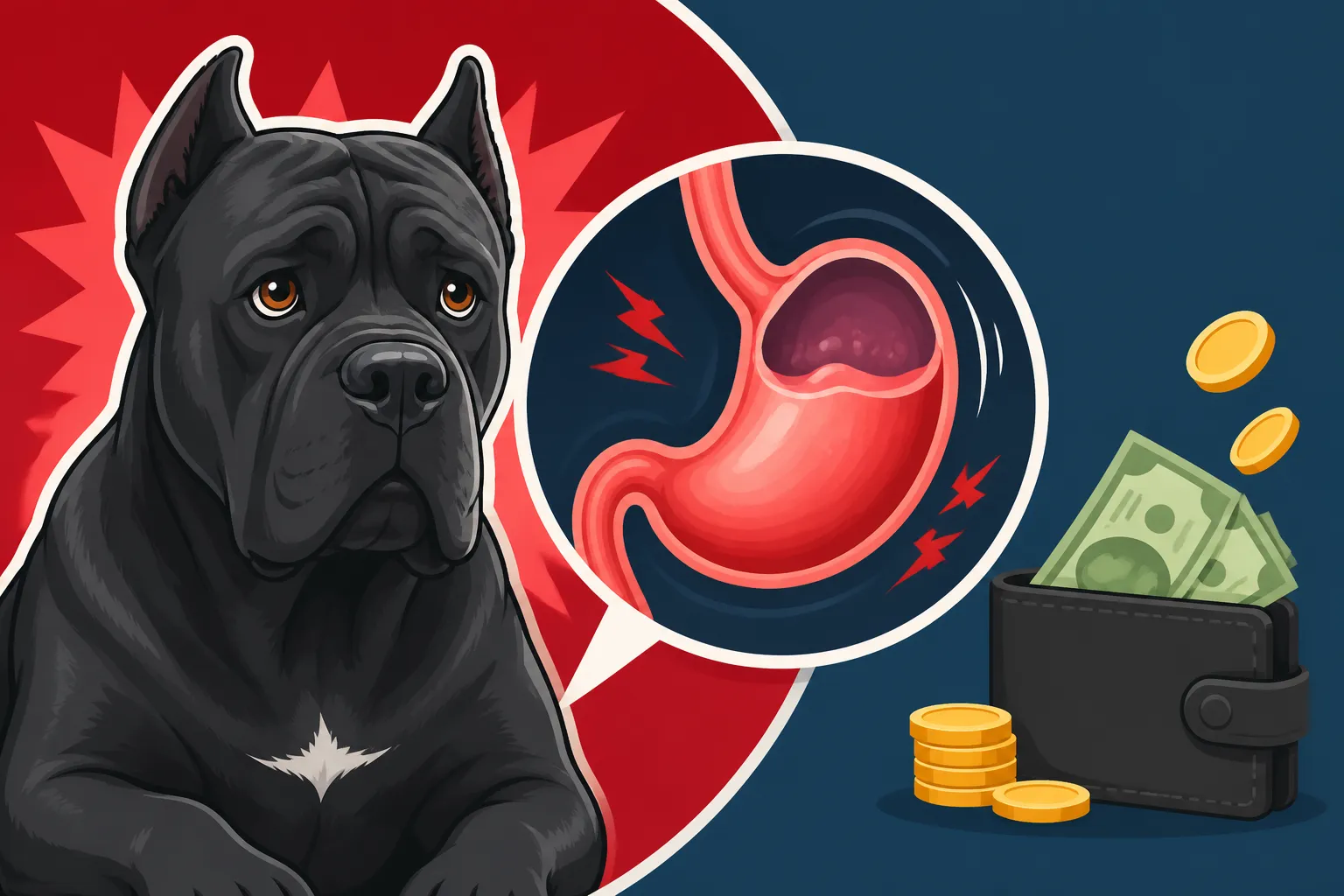
What It Costs When a Cane Corso’s Stomach Turns
Few things strike as much fear into the heart of a Cane Corso owner as the possibility of bloat, or more specifically, gastric dilatation-volvulus (GDV). It's a terrifying, rapidly progressing condition where your dog's stomach fills with gas, twists on itself, and suddenly, you're in a race against time. The physical and emotional toll is immense, but often, the financial impact can be just as shocking. This guide is here to walk you through the various costs you might face when your Cane Corso's stomach turns, from emergency vet visits to surgery and long-term care, helping you understand what to expect during this critical ordeal.
Understanding Gastric Dilatation-Volvulus (GDV) in Cane Corsos
The term "bloat" can sometimes sound benign, like a bit of indigestion, but for a Cane Corso, it's anything but. Gastric Dilatation-Volvulus is a life-threatening emergency that demands immediate veterinary attention. It’s a condition that can turn a perfectly healthy, happy dog into one in critical danger within mere hours. As Cane Corso owners, we live with this constant, underlying anxiety because our beloved breed is disproportionately susceptible to it.
The Silent Threat of a Twisted Stomach
Imagine a balloon filling with air inside your dog's abdomen, then suddenly twisting its neck shut. That's essentially what happens during GDV. The stomach rapidly expands with gas, food, or fluid (dilatation), and then, in many cases, it rotates (volvulus). This twisting cuts off the blood supply to the stomach and often the spleen, and obstructs the normal passage of gas or food. It also traps air, making the stomach grow even larger. The internal pressure can restrict breathing, impair blood flow back to the heart, and eventually lead to shock, organ damage, and death. It's truly a race against the clock, and every minute counts.
The silence of its onset is what makes it so insidious. One moment your Cane Corso might seem fine, perhaps a little restless, and the next, they are in severe distress. There's often no clear warning in the moments leading up to it, no slow build-up that allows for leisurely observation. It's a sudden, terrifying shift, and as owners, we have to be hyper-vigilant for even the subtle signs.
Recognizing the Early Warning Signs
Spotting bloat early is absolutely paramount, as it can make the difference between life and death – and significantly impact the eventual vet bill. When your Cane Corso's stomach begins to turn, you'll often notice a combination of symptoms. The most characteristic sign is a noticeably distended, hard abdomen, especially on the left side, which may feel taut like a drum. However, this isn't always the first or most obvious symptom, especially in the earliest stages.
Initially, your dog might seem restless, pacing, and unable to get comfortable. They might drool excessively, try to vomit without producing anything (non-productive retching), or pant heavily. You might notice them acting anxious, looking at their side, or displaying signs of abdominal pain. Weakness, collapse, and pale gums are later, more severe indicators that the condition has progressed. If you even suspect bloat, you need to head to the emergency vet immediately. This isn't a "wait and see" situation. Every second truly matters. Being able to recognize The First Sign a Cane Corso Is Bloating or Telling Bloat From a Full Belly in a Cane Corso can be crucial.
Why Deep-Chested Breeds Like the Cane Corso Are at Risk
Cane Corsos, like other large and giant deep-chested breeds such as Great Danes, Boxers, and German Shepherds, are particularly predisposed to GDV. Their unique body conformation plays a significant role in this heightened risk. The deep, narrow chest cavity allows their stomach more room to swing and twist, rather than being snugly held in place. Think of a pendulum: a shorter rope means less swing, a longer rope means more. A deep-chested dog has a "longer rope" for its stomach, metaphorically speaking, making it more likely to torsion.
While the exact trigger for bloat isn't always clear, factors like eating one large meal a day, eating too quickly, vigorous exercise after eating, or even stress, are often cited as potential contributors. Genetics also play a part, so if your Cane Corso comes from lines with a history of bloat, their risk is further elevated. It’s an unfortunate reality of owning these magnificent dogs that this silent, sudden killer is always a concern.
Immediate Veterinary Care: The First Wave of Costs
The moment you rush your Cane Corso to the emergency veterinary clinic with suspected bloat, you’re not just looking at a diagnosis; you’re entering a rapid-fire sequence of critical medical interventions, each with its own associated cost. There’s no time for hesitation, which also means there’s little time to shop around for prices. The goal is stabilization and, if necessary, surgery, and that process begins the moment you walk through the door.
Emergency Assessment and Stabilization
Upon arrival, the veterinary team will immediately prioritize your Cane Corso. The initial assessment typically involves a physical exam, which might include palpating the abdomen and checking vital signs. X-rays are crucial to confirm GDV and determine if the stomach has twisted. These diagnostic images are indispensable for guiding the next steps.
Simultaneously, the vets will begin efforts to stabilize your dog. This usually involves placing intravenous (IV) catheters to administer fluids, which combat shock and dehydration. Pain medication will be given to alleviate their intense discomfort, and often, an attempt will be made to decompress the stomach by inserting a tube down the esophagus or, if that’s not possible, using a large needle to release gas directly through the abdominal wall. These initial procedures—emergency consultation, X-rays, IV fluids, pain relief, and decompression attempts—can quickly add up. You're paying for immediate access to specialized equipment, skilled emergency personnel, and life-saving medications. The faster you get there, the better the prognosis, but the bill starts accumulating right away. Remember, The Hours That Decide a Bloated Cane Corso's Outcome are critical, and intervention carries a cost.
The Urgency of Surgical Intervention
Once GDV is confirmed and initial stabilization efforts are underway, surgery becomes the primary, often only, definitive treatment. Without surgical correction, the outcome is almost always fatal. The twisted stomach continues to swell, damaging its tissue, and cutting off circulation to other vital organs. This isn't a condition that will resolve on its own, and waiting even a few hours can drastically reduce your Cane Corso's chances of survival and increase the complexity—and cost—of the surgery.
The decision for surgery is usually made very quickly by the veterinary team, often in conjunction with a specialized surgeon if one is available. You’ll be presented with the prognosis, the risks, and the estimated costs, all while your dog is in a critical state. This is a moment where emotions run incredibly high, and the financial reality can hit hard. The surgery itself is complex and lengthy, requiring a skilled surgical team, specialized equipment, and extensive pre- and post-operative care.
The Surgical Procedure and Associated Expenses
The actual surgery for GDV is a major abdominal operation, and it’s the most significant portion of the cost you’ll incur. It’s not just about untwisting the stomach; it involves a meticulous process to assess damage, reposition organs, and take steps to prevent recurrence.
Gastric Decompression and Repositioning
The first crucial step during surgery is to relieve the pressure from the distended stomach. The surgeon will carefully untwist the stomach (derotation) and manually decompress it. This can be a delicate process, as the stomach wall may be severely compromised by lack of blood flow. Once decompressed and untwisted, the surgeon will thoroughly inspect the stomach and spleen for any tissue damage, such as necrosis (dead tissue). If parts of the stomach or spleen are necrotic, these sections must be removed, which adds significantly to the complexity and duration of the surgery, and, of course, the bill.
The extent of the damage directly impacts the prognosis and the final cost. A straightforward derotation with minimal tissue damage will be less costly than a surgery requiring partial gastrectomy (removal of part of the stomach) or splenectomy (removal of the spleen). The more intricate the procedure, the longer it takes, the more specialized tools are needed, and the higher the surgeon's fees and anesthesia costs.
The Gastropexy: Securing the Stomach
A critical component of GDV surgery, almost always performed simultaneously, is a procedure called a gastropexy. This involves surgically attaching the stomach to the abdominal wall. The purpose of a gastropexy is not to prevent the stomach from dilating (filling with gas) but to prevent it from twisting again (volvulus). It essentially "tacks" the stomach in place, vastly reducing the risk of a future, life-threatening torsion.
While a gastropexy adds an additional step and cost to the surgery, it’s considered an essential preventative measure, especially for breeds like the Cane Corso. Many owners even opt for a prophylactic gastropexy during another planned abdominal surgery, like neutering, to prevent bloat from ever occurring. It's a wise investment in your Cane Corso's future health, and you might want to look into Whether a Cane Corso Should Have a Preventive Gastropexy before an emergency arises. The cost of a gastropexy when done preventatively is usually much lower than when performed during an emergency GDV surgery.
Anesthesia and Monitoring
Anesthesia for a GDV patient is not a trivial matter, especially for a large breed like a Cane Corso already in a compromised state. The costs associated with anesthesia are substantial and include not just the drugs themselves, but the constant monitoring by a dedicated veterinary technician or anesthetist. This specialist will meticulously track your dog's heart rate, blood pressure, oxygen levels, and other vital signs throughout the entire procedure.
Given that bloat often leads to cardiac arrhythmias and other systemic issues, the anesthetic protocol must be carefully tailored and monitored with extreme vigilance. The longer the surgery, the more extensive the anesthesia and monitoring required, and the higher the cost. There's also an inherent Anesthesia Risk in a Deep Chested Cane Corso that skilled professionals are trained to mitigate.
Post-Operative Care and Hospitalization
The surgery is only the beginning. Post-operative care for a Cane Corso recovering from GDV is intensive and can last for several days. Your dog will require continuous monitoring in the intensive care unit (ICU) or a dedicated recovery area. This involves ongoing IV fluid therapy, strong pain management (often through continuous infusions), antibiotics to prevent infection, and close observation for any complications like cardiac arrhythmias, re-bloat, or internal bleeding.
Hospitalization costs accumulate daily and include nursing care, medications, diagnostic rechecks (blood tests, X-rays), and specialized equipment. For a large dog, these costs can be particularly high due to the sheer volume of medications needed and the level of staffing required for their care. Expect at least one to three nights of hospitalization, and sometimes longer if complications arise. Understanding The Overnight Bill After a Cane Corso's Gastropexy can help you mentally prepare for this significant expense.
Potential Complications and Extended Costs
Even after successful surgery, the road to recovery for a Cane Corso with GDV can be fraught with potential complications, each adding further to the financial burden and the emotional stress. It's not uncommon for these post-surgical issues to escalate the total cost far beyond the initial surgical estimate.
Organ Damage and Tissue Necrosis
One of the most devastating complications of GDV is organ damage, particularly to the stomach wall and the spleen. When the stomach twists, it cuts off its own blood supply, leading to ischemia (lack of oxygen) and potentially necrosis (tissue death). If a significant portion of the stomach tissue has died, it must be surgically removed. This is a partial gastrectomy, a more complex and riskier procedure that adds substantial time, skill, and resources to the operation, and therefore, to the cost. The same applies to the spleen; if its blood supply has been compromised and tissue death has occurred, a splenectomy (removal of the spleen) becomes necessary.
These additional procedures not only increase the surgical bill but also prolong recovery time and increase the risk of post-operative infection or dehiscence (surgical incision opening up). Furthermore, even if tissue is salvaged, long-term digestive issues can sometimes arise, requiring ongoing dietary management or medication.
Arrhythmias and Cardiac Complications
The profound shock and stress that GDV places on a dog's body can have severe repercussions for the cardiovascular system. Many Cane Corsos developing GDV will experience cardiac arrhythmias, or irregular heartbeats, either before, during, or after surgery. These arrhythmias can be life-threatening and require intensive monitoring and specific anti-arrhythmic medications.
Managing these heart complications adds another layer of expense. Your Cane Corso might need an ECG (electrocardiogram) to diagnose the specific type of arrhythmia, ongoing cardiac monitoring in the ICU, and a regimen of expensive cardiac drugs. In some severe cases, consultation with a veterinary cardiologist may be necessary, bringing specialist fees into the picture. This can be especially concerning if your Cane Corso already has a predisposition to Heart Disease in a Middle Aged Cane Corso.
Infection and Sepsis Risks
Any major abdominal surgery carries a risk of infection, and GDV surgery is no exception. The compromised state of the gastrointestinal tract, potential tissue necrosis, and the sheer invasiveness of the procedure can create an environment ripe for bacterial growth. If bacteria from the gut enter the bloodstream, it can lead to sepsis, a severe, life-threatening systemic infection.
Treating post-operative infections or sepsis requires aggressive measures. This often involves broad-spectrum intravenous antibiotics, extended hospitalization, and additional diagnostic tests like blood cultures to identify the specific bacteria. The longer your Cane Corso stays in the hospital battling an infection, the more the costs will climb, covering medication, lab work, and around-the-clock intensive care.
Long-Term Recovery and Preventative Measures
Surviving the acute bloat crisis and surgery is a huge hurdle, but the journey doesn't end there. Long-term recovery for your Cane Corso, while thankfully leading back to a normal life for many, still involves continued care and preventative strategies to ensure they thrive and to minimize the chances of future health scares.
Follow-Up Veterinary Visits and Medication
After your Cane Corso is discharged from the hospital, they will require several follow-up veterinary visits to monitor their surgical incision, assess their overall recovery, and ensure they are healing properly. These appointments will incur consultation fees. Depending on the extent of the surgery and any complications, your vet might prescribe a course of antibiotics, pain medication, or gastrointestinal support medications for several weeks. These prescriptions add to the overall expense, but are crucial for a smooth recovery.
You’ll also need to carefully manage their activity levels, restricting strenuous exercise for a period to allow the internal and external surgical sites to heal fully. This might mean investing in shorter, more frequent walks and puzzle toys to keep their active mind engaged without overdoing it physically.
Dietary Adjustments and Feeding Practices
One of the most important aspects of long-term prevention after a GDV episode (or even prophylactically) is implementing careful feeding practices. Many vets recommend feeding smaller, more frequent meals throughout the day instead of one or two large ones. This reduces the amount of gas and food in the stomach at any given time. Slow feeders or puzzle bowls can also be incredibly helpful to prevent your Cane Corso from wolfing down their food too quickly.
Consider using elevated food bowls, though research on their effectiveness in preventing bloat is mixed. It’s a good idea to ensure your Cane Corso rests for at least an hour before and after meals, avoiding any vigorous exercise or excitement. Specialized diets might also be recommended, focusing on easily digestible ingredients. Brands like Chewy or Ollie offer various slow feeders and specialized dog foods that might be recommended by your vet to help manage these new feeding habits, adding to your regular pet supply budget. These careful The Mealtime Habits That Turn a Cane Corso's Stomach are critical.
The Role of Pet Insurance in GDV Costs
Given the astronomical costs associated with emergency GDV treatment, pet insurance can be an absolute lifesaver for Cane Corso owners. Comprehensive pet insurance plans are designed to cover unexpected accidents and illnesses, and GDV is almost always included. Having a policy in place means that instead of facing a bill of several thousands of dollars out-of-pocket, you would only be responsible for your deductible and co-insurance, with the insurance company covering the bulk of the expense.
When choosing a policy for a Cane Corso, look for one with good coverage for emergency care, hospitalization, and surgical procedures. Consider companies like Healthy Paws, which are known for their comprehensive coverage. It's also vital to enroll your dog when they are young and healthy, as pre-existing conditions (including GDV if your dog has already experienced it) are typically not covered. Investing in pet insurance is one of the most proactive steps you can take to mitigate the financial shock of a bloat emergency. You'll want to review Whether Pet Insurance Pays a Cane Corso's Bloat Surgery for more details.
Financial Realities and Tough Decisions
No one wants to think about the worst-case scenario, but for Cane Corso owners, understanding the potential financial impact of bloat is a crucial part of responsible ownership. The costs can be daunting, forcing difficult conversations and, sometimes, heartbreaking decisions.
Understanding the Cost Spectrum
The cost of treating GDV can vary wildly depending on several factors: the severity of the bloat, whether the stomach has twisted, the extent of tissue damage, the need for additional organ removal (like the spleen), the length of hospitalization, the geographic location of the veterinary clinic (e.g., rural vs. metropolitan emergency hospital), and whether after-hours emergency surcharges apply.
To give you a clearer picture, here's a general breakdown of potential costs. Please remember these are illustrative figures and actual prices will vary significantly.
| Procedure/Service | Potential Cost Range (General) | Notes |
|---|---|---|
| Emergency Exam & Stabilization | Moderate to Significant | Initial consultation, IV fluids, pain meds, basic diagnostics (e.g., blood work) |
| Diagnostic X-rays | Moderate | Essential for confirming GDV and checking for torsion |
| Gastric Decompression (non-surg) | Minor to Moderate | Attempting to release gas with a tube or needle, if possible |
| GDV Surgical Procedure | Very Significant | Derotation, gastropexy, inspection for tissue damage |
| Partial Gastrectomy/Splenectomy | Adds Significant to Very Significant | If stomach or spleen tissue is necrotic, adds complexity and cost |
| Anesthesia & Monitoring | Significant | Continuous monitoring by trained staff during surgery |
| Post-Operative ICU/Hospitalization | Significant (per day) | 1-5+ days of intensive care, fluids, meds, monitoring |
| Medications (post-discharge) | Minor to Moderate | Antibiotics, pain relief, GI support for home recovery |
| Follow-up Vet Visits | Minor (per visit) | Checking incision, overall recovery |
| Total Estimated Cost | Thousands to Tens of Thousands | Can range from the low thousands to well over ten thousand for complicated cases |
This table shows that without pet insurance or a substantial emergency fund, the financial burden of GDV can be crippling. This is why planning for The Surgeries Every Cane Corso Owner Should Budget For is so critical.
The Emotional and Ethical Burden
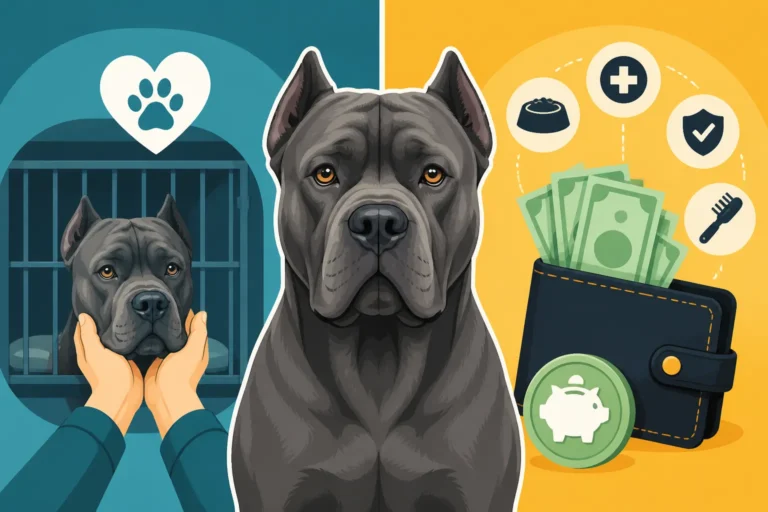
Beyond the sheer financial cost, there's a profound emotional and ethical burden that bloat places on owners. Facing a vet with your beloved Cane Corso in distress, being presented with a massive bill, and having to make split-second decisions about life-saving surgery can be incredibly traumatic. For many, the decision isn't about if they want to save their dog, but if they can afford to save their dog.
This can lead to immense guilt and heartbreak if financial constraints force an owner to consider euthanasia. It's a cruel reality that economic circumstances can dictate medical outcomes. This scenario highlights why proactive financial planning is not just practical, but also deeply compassionate.
Planning Ahead: Emergency Funds and Insurance
The best way to alleviate the stress of a bloat emergency is to be prepared financially. This means having an emergency fund specifically for veterinary care, or, more reliably, investing in a robust pet insurance policy. As mentioned, pet insurance can cover a substantial portion of the costs, turning an unmanageable five-figure bill into a much more accessible deductible and co-pay.
If pet insurance isn't an option, start building a dedicated savings account. Even putting away a modest amount each month can grow into a significant buffer over time. Additionally, research veterinary financing options like CareCredit or other medical credit lines that can provide immediate access to funds, allowing you to focus on your Cane Corso's health rather than the looming bill. Being prepared is the greatest gift you can give your Cane Corso, ensuring that if their stomach ever turns, you're ready to fight for them.
Disclaimer
This article is for general informational purposes only and does not constitute professional advice. Laws, prices and regulations vary by location and change over time. Consult a qualified professional for guidance on your specific situation.