Anesthesia Risk in a Deep Chested Cane Corso
It’s a truly nerve-wracking moment when your majestic Cane Corso needs a procedure that requires anesthesia. You know your dog is special, powerful, and deeply loved, and the thought of them being put under is enough to tie anyone in knots. Many Cane Corso owners worry intensely about the unique challenges their deep-chested breed faces, especially concerning anesthesia, and it’s a valid concern rooted in the breed's physiology. This guide aims to thoroughly explore why deep-chested breeds like the Cane Corso carry specific anesthesia risks and what you and your veterinary team can do to minimize them, helping you feel more confident and prepared.
Understanding the Deep Chest and Its Implications
The Cane Corso's impressive, deep chest is a hallmark of the breed, contributing to their powerful and athletic appearance. However, this same anatomical feature, while striking, comes with a significant predisposition to certain health risks, particularly when it comes to surgical procedures and anesthesia. It's not just about looks; it's about how that structure impacts their internal systems.
Increased Risk of Bloat Gastric Dilatation-Volvulus
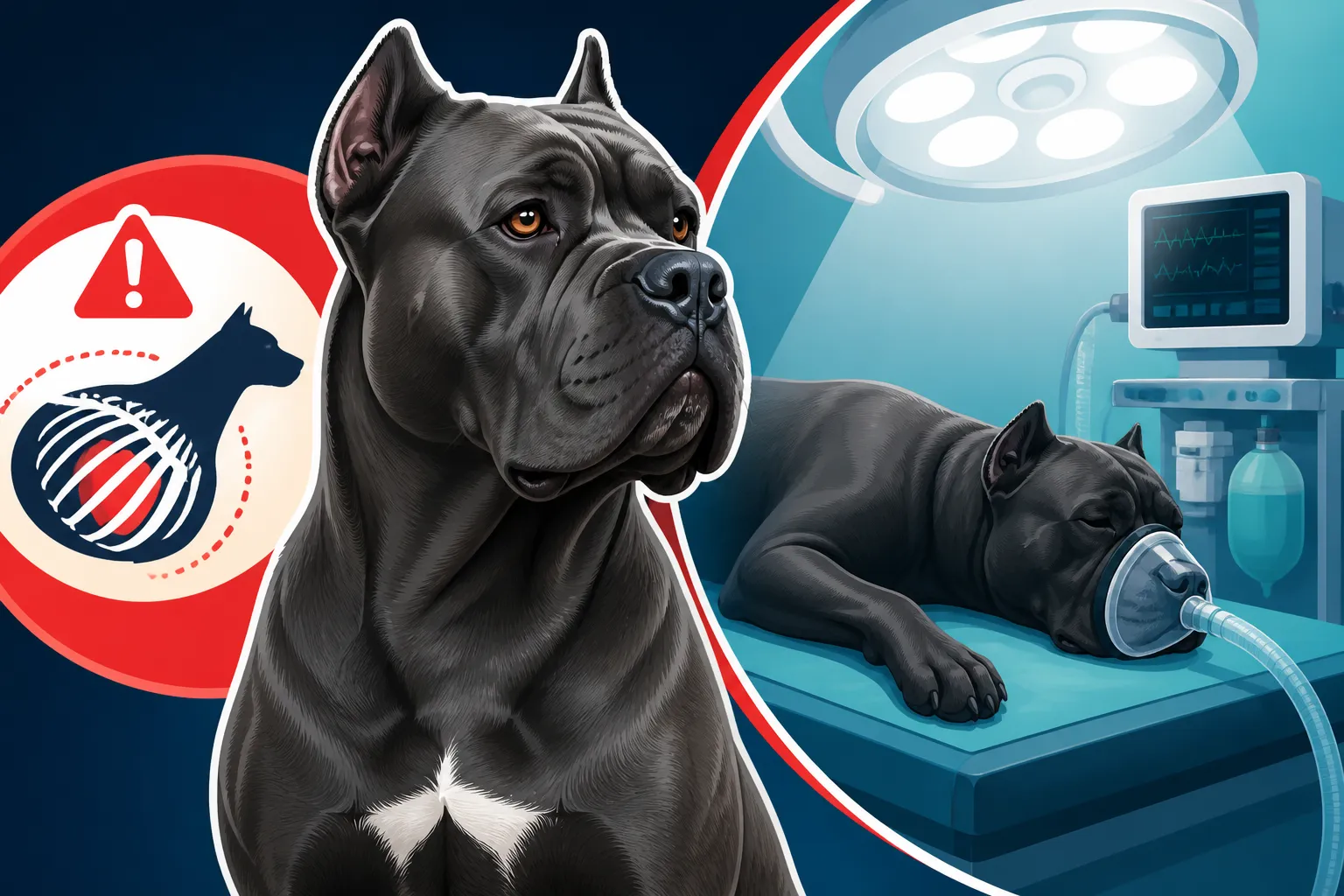
One of the most terrifying conditions for any deep-chested dog owner is Gastric Dilatation-Volvulus (GDV), commonly known as bloat. A Cane Corso's deep chest creates more space in the abdominal cavity, allowing the stomach greater mobility. This increased room, combined with other factors like eating habits and stress, makes it easier for the stomach to distend with gas and then twist upon itself, cutting off blood supply. Anesthesia, by its very nature, can introduce stress to the body and impact normal gastrointestinal motility, potentially elevating the risk for a bloat episode both during and after a procedure.
The concern isn't just during the surgery itself, but also in the recovery phase. Post-operative nausea, pain medications, and the general stress of being in an unfamiliar environment can all disrupt a dog's normal gut function. It’s crucial to understand that even minor procedures can carry this underlying risk, and your vet team should be acutely aware of this breed-specific vulnerability. Many owners opt for a preventive gastropexy, a surgical procedure to tack the stomach to the abdominal wall, often done concurrently with spay/neuter surgery. This greatly reduces the risk of the stomach twisting, though it doesn't prevent bloating. For a deep dive into this topic, you can learn more about Bloat and What a Cane Corso's Deep Chest Costs.
Respiratory Considerations
The sheer size and deep chest of a Cane Corso also present unique respiratory considerations during anesthesia. Their large lung capacity needs careful management, and their diaphragm, which is essential for breathing, might be less efficient if the stomach becomes distended, even slightly. Anesthetics can depress respiratory function, making it harder for these powerful dogs to breathe effectively on their own.
Veterinary professionals need to be particularly vigilant in monitoring oxygen saturation and carbon dioxide levels throughout the procedure. Proper intubation, ensuring a clear airway, and sometimes even assisted ventilation are critical. If your Cane Corso has any pre-existing respiratory issues, like laryngeal paralysis or even just significant snoring, these can be exacerbated under anesthesia, requiring even more meticulous planning and monitoring. The goal is to ensure they are receiving adequate oxygen and efficiently expelling carbon dioxide at all times, preventing complications that can arise from inadequate ventilation.
Pre-Anesthetic Screening: Your First Line of Defense
Before your Cane Corso goes under anesthesia, a thorough pre-anesthetic screening is absolutely non-negotiable. This isn't just a formality; it's a critical step in identifying any underlying issues that could increase risk and allowing your veterinary team to tailor the anesthetic protocol specifically for your dog. Think of it as putting on all your protective gear before facing a challenge.
Comprehensive Blood Work
A full panel of blood tests is the cornerstone of any good pre-anesthetic workup. This typically includes a complete blood count (CBC) and a chemistry panel. The CBC gives a snapshot of your dog's red and white blood cells and platelets, checking for anemia, infection, or clotting issues. Anemia could compromise oxygen delivery during anesthesia, while low platelet counts could indicate a bleeding risk.
The chemistry panel provides vital information about organ function, particularly the liver and kidneys, which are responsible for metabolizing and eliminating anesthetic drugs from the body. If these organs aren't functioning optimally, certain drugs might linger in the system longer, leading to prolonged recovery or other complications. Your vet needs to know if there are any subtle signs of dysfunction so they can choose anesthetic agents that are safer for your dog's specific physiology. Regular Yearly Bloodwork on an Adult Cane Corso is always a good idea to establish a baseline.
Cardiac Evaluation
For a large breed like the Cane Corso, a cardiac evaluation is profoundly important. These dogs, like many large and giant breeds, can be predisposed to certain heart conditions, such as dilated cardiomyopathy (DCM) or subaortic stenosis. Anesthesia places stress on the cardiovascular system, and an undiagnosed heart condition can dramatically increase the risk of complications, including arrhythmias or even heart failure during or after the procedure.
A cardiac evaluation might involve a physical exam listening for murmurs, an electrocardiogram (ECG) to check the heart's electrical activity, or even an echocardiogram (an ultrasound of the heart) for a more detailed assessment. If a heart condition is identified, your veterinary cardiologist might recommend specific medications to stabilize the heart before surgery or suggest a modified anesthetic protocol. This proactive approach can make all the difference in ensuring a safer procedure. If your Cane Corso needs a cardiac exam, it's a good idea to know The Cardiac Exam Behind a Cane Corso's Clearance before you pursue breeding or certain procedures.
Anesthetic Protocols Tailored for Your Cane Corso
Modern veterinary anesthesia has come a long way, and a skilled team will develop a specific protocol for your Cane Corso, taking into account their breed, size, age, health status, and the type of procedure being performed. It's not a one-size-fits-all approach, especially for a powerful dog like a Cane Corso.
Choosing the Right Anesthetics
The selection of anesthetic drugs is critical. Veterinarians will often choose a combination of medications to achieve sedation, pain relief, and muscle relaxation, rather than relying on one powerful drug. This "multimodal" approach often allows for lower doses of each drug, minimizing side effects and promoting a smoother, faster recovery. For Cane Corsos, drugs that are quickly metabolized and have fewer cardiovascular side effects are often preferred.
For example, some anesthetics might be known to reduce blood pressure more significantly, which could be risky for a large dog. Others might provide more profound respiratory depression. Your vet will carefully weigh these factors, often using a combination of injectables for induction and then maintaining anesthesia with an inhaled gas. Open communication with your vet about their chosen protocol and the reasoning behind it is paramount for your peace of mind.
Intravenous Catheters and Fluid Support
An intravenous (IV) catheter is a small tube placed into a vein, typically in the leg, and it's an indispensable part of a safe anesthetic protocol. This catheter provides immediate access for administering emergency medications if needed, and most importantly, it allows for continuous fluid support throughout the procedure.
IV fluids help maintain blood pressure, especially when anesthetic drugs cause vasodilation, and prevent dehydration. For large breeds like Cane Corsos, maintaining stable blood pressure is vital to ensure adequate blood flow to all organs, including the kidneys and brain. This continuous support helps the body cope with the physiological stress of anesthesia and aids in a smoother recovery. Many owners find that having comprehensive pet insurance like Healthy Paws can help manage the costs associated with necessary advanced care like IV fluids and monitoring during procedures, giving them peace of mind to choose the best options for their pet.
Advanced Monitoring During Procedures
During anesthesia, your Cane Corso will be continuously monitored by a dedicated veterinary technician, much like a human patient in surgery. This isn't just someone casually glancing at your dog; it's a highly trained professional whose sole job is to watch for the slightest changes in vital signs.
Monitoring typically includes:
- Electrocardiogram (ECG): Tracks heart rate and rhythm, detecting any abnormal electrical activity.
- Pulse Oximetry: Measures oxygen saturation in the blood, ensuring adequate oxygenation.
- Capnography: Measures the amount of carbon dioxide in exhaled breath, indicating how well your dog is breathing and ventilating.
- Blood Pressure: Monitored frequently to ensure it stays within a safe range, supporting organ perfusion.
- Temperature: Large dogs can lose heat quickly under anesthesia, so maintaining a stable body temperature is crucial for recovery.
This constant vigilance allows the veterinary team to make immediate adjustments to anesthetic depth or provide supportive care if any vital signs deviate from the norm. It’s an essential layer of safety that significantly mitigates risk.
Post-Operative Care and Recovery: Beyond the Operating Table
The journey doesn't end when the surgery is over and your Cane Corso is off the operating table. The immediate post-operative period is just as critical, especially for preventing complications and ensuring a comfortable recovery.
Vigilant Monitoring in Recovery
Once the procedure is complete and your Cane Corso is moved to recovery, the monitoring doesn't stop. They will still be closely watched as they wake up from anesthesia. This phase is crucial because the effects of anesthetic drugs slowly wear off, and the body begins to return to its normal physiological state.
The recovery team will monitor for signs of pain, changes in breathing, irregular heart rhythm, and any signs of bloat. Re-warming is often necessary as body temperature can drop during surgery. They'll also observe for any unusual behaviors or discomfort. For a deep-chested breed like a Cane Corso, the recovery team will be particularly attentive to any signs of abdominal distension or discomfort that could indicate an impending bloat episode, having an action plan ready should The First Sign a Cane Corso Is Bloating appear. This careful transition ensures that any potential issues are caught and addressed promptly.
Managing Pain and Discomfort
Effective pain management is paramount for a comfortable and speedy recovery. A Cane Corso in pain will be stressed, which can lead to other complications, including delayed healing and a reluctance to eat or move. Your veterinary team will implement a comprehensive pain management plan, which often starts before the surgery even begins (pre-emptive analgesia).
This plan might involve a combination of injectable pain medications given during and immediately after surgery, followed by oral pain relievers and anti-inflammatories to take home. Managing pain also helps your dog breathe more comfortably and allows them to rest, which is essential for healing. Don't hesitate to ask your vet about their pain management strategy for your Cane Corso; a comfortable dog is a dog on the fast track to recovery. Many pet insurance plans, like those from Healthy Paws, offer coverage for post-operative pain management, easing the financial burden on owners during these critical times.
Communicating with Your Veterinary Team
As a Cane Corso owner, you are your dog's strongest advocate. Open, honest, and proactive communication with your veterinary team is one of the most powerful tools you have to ensure the safest possible anesthetic experience for your beloved companion.
Questions to Ask Before Anesthesia
Don't be afraid to ask questions, even if you think they sound silly. Your vet wants you to be informed and comfortable. Here are some key questions you should consider asking:
- What pre-anesthetic tests do you recommend, and why? Understand the purpose of each test.
- What specific anesthetic drugs will you be using for my Cane Corso, and why are they chosen for this breed?
- What kind of monitoring will be in place during the procedure?
- Who will be monitoring my dog during anesthesia and recovery?
- What is your plan for pain management before, during, and after the surgery?
- What are the specific risks for a deep-chested breed like a Cane Corso during this procedure?
- What signs should I watch for after my dog comes home, and when should I call you?
- What are the estimated Anesthesia Charges on a Hundred Pound Cane Corso?
Expressing Concerns and Building Trust
It’s completely normal to feel anxious. Share your specific concerns with your vet. If you’re worried about bloat, or if your Cane Corso has had a previous bad reaction to medication, make sure they know. A good veterinary team will appreciate your input and use it to better understand your dog’s unique needs and your own level of concern.
Building trust with your veterinary team means feeling confident in their expertise and their commitment to your dog's well-being. If you don't feel heard or if you're not getting clear answers, it's okay to seek a second opinion. Ultimately, you want to feel assured that your Cane Corso is in the most capable and caring hands possible. This proactive approach not only benefits your peace of mind but significantly contributes to the safety and success of the entire anesthetic process for your magnificent Cane Corso.
| Risk Factor for Deep-Chested Cane Corsos | Mitigation Strategy | Importance |
|---|---|---|
| Bloat (GDV) Predisposition | Preventive gastropexy, careful monitoring for signs | Life-saving, as GDV is a medical emergency with high mortality |
| Respiratory Depression | Intubation, capnography, assisted ventilation | Ensures adequate oxygenation and carbon dioxide removal, prevents hypoxia |
| Cardiac Issues (e.g., DCM) | Pre-anesthetic cardiac evaluation (ECG, echo) | Identifies underlying heart conditions to tailor anesthetic drugs and support |
| Hypothermia (Low Body Temp) | Active warming devices during and after surgery | Prevents shivering, prolonged recovery, and cardiac complications |
| Hypotension (Low Blood Pressure) | IV fluid support, specific anesthetic drug choice | Maintains blood flow to vital organs (kidneys, brain), prevents organ damage |
| Prolonged Recovery | Rapidly metabolized drugs, vigilant post-op monitoring | Ensures smooth, timely awakening and allows for early intervention |
| Pain & Discomfort | Multimodal pain management before, during, and after | Reduces stress, promotes healing, improves overall patient comfort |
Disclaimer
This article is intended for informational purposes only and does not constitute medical advice. Always consult with a qualified veterinarian regarding any health concerns or before making any decisions about your Cane Corso's medical care or treatment. Individual outcomes may vary.