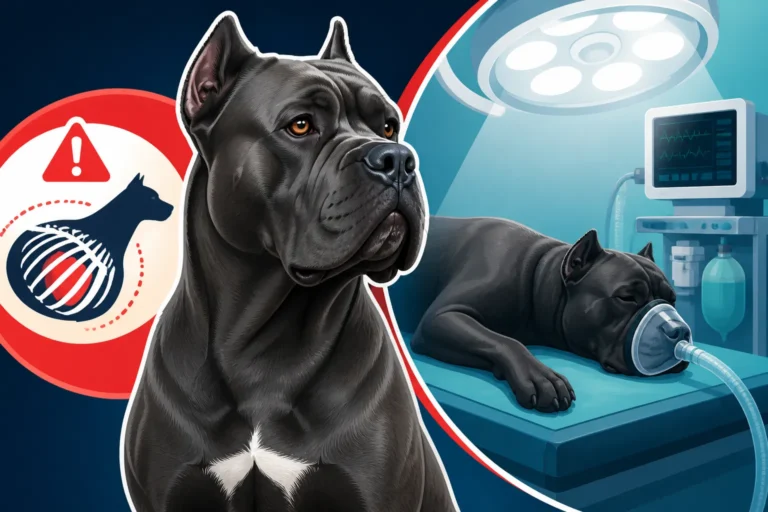
The Heart Muscle Disease Behind a Cane Corso’s Cardiac Test
It’s truly gut-wrenching when you notice something isn’t quite right with your powerful, stoic Cane Corso. You might brush off a little cough or a slight dip in energy as just a lazy day, but deep down, a whisper of worry starts. When it comes to heart health in our magnificent large breeds, that whisper can quickly turn into a roar of concern, especially with conditions like heart muscle disease. This guide is here to shed light on Dilated Cardiomyopathy (DCM) in Cane Corsos, the cardiac tests that are absolutely vital, and how you can navigate this challenging aspect of ownership.
Understanding Dilated Cardiomyopathy in Cane Corsos
When we talk about "heart muscle disease" in Cane Corsos, more often than not, we're referring to Dilated Cardiomyopathy, or DCM. It’s a silent, insidious thief that can creep up on even the most robust-looking dogs, progressively weakening their heart. For a breed known for its power and endurance, a compromised heart is a profound concern.
What is DCM and How Does It Affect the Heart?
Imagine your Cane Corso’s heart as a powerful pump, designed to circulate blood efficiently throughout its large body. In a dog with DCM, this pump starts to fail. The heart muscle itself becomes thin, weak, and stretched out, particularly the main pumping chamber, the left ventricle. This stretching (dilation) means the heart can’t contract with enough force to push blood effectively. Think of it like a worn-out elastic band that's lost its snap.
As the heart struggles, it becomes less efficient at pumping blood. This leads to a backup of blood in the lungs and other areas, which can cause fluid to accumulate. This fluid buildup is what often triggers the visible signs of heart failure, such as coughing or difficulty breathing. The heart tries to compensate by beating faster or enlarging further, but these are short-term fixes that ultimately worsen the problem over time. It’s a progressive disease, meaning it gets worse with each passing month, gradually robbing your Cane Corso of its strength and vitality.
The Genetic Link and Breed Predisposition
Cane Corsos, like many large and giant breeds such as Doberman Pinschers, Great Danes, and Irish Wolfhounds, have a known predisposition to developing DCM. While the exact genetic mechanisms are still being fully unraveled for every breed, it's widely understood that there's a significant hereditary component. This means that if a Cane Corso's parents or close relatives had DCM, their offspring are at a higher risk. This genetic predisposition is one of the hardest parts of dealing with DCM – it's often not about what you did or didn't do, but rather an unfortunate hand dealt by genetics.
What makes DCM particularly heartbreaking is its often silent progression. Many dogs won't show any outward signs until the disease is quite advanced, making early detection incredibly challenging without specific screening. You might have a Cane Corso that seems perfectly healthy and active one day, only for symptoms to emerge suddenly and severely weeks or months later. This is why proactive screening, especially for breeding animals, is so critically important to try and reduce the incidence in future generations.
Early Signs and Symptoms to Watch For
The cruel reality of DCM is that by the time overt symptoms appear, the disease is usually well into its more advanced stages. However, as vigilant owners, there are subtle clues we can look for, even if they're easy to dismiss at first glance. These aren't always definitive, but they should certainly prompt a conversation with your veterinarian.
One of the earliest signs you might notice is a slight reduction in your Cane Corso's exercise tolerance. Maybe they used to bound through the park for thirty minutes without a break, and now they're lagging behind after fifteen, or seem more tired than usual after a short walk. You might attribute it to a hot day or just getting older, but it could be the heart struggling to keep up. A mild, persistent cough, especially after exercise or when lying down, is another red flag. This can be due to fluid buildup in the lungs.
Other symptoms include increased respiratory rate, even at rest, or more noticeable panting. Some owners report a loss of appetite or a general lethargy that just doesn't seem like their usual energetic Corso. In more severe cases, you might observe fainting spells, known as syncope, or a distended abdomen due to fluid retention. Tragically, in some instances, the very first sign of DCM can be sudden collapse or even sudden death, which underscores the importance of being proactive with screening. Because of the stoic nature of many Cane Corsos, they can often mask discomfort until it becomes unbearable, making these subtle indicators even more critical to recognize.
The Crucial Role of Cardiac Testing for Cane Corsos
Given the silent nature of DCM, relying solely on observable symptoms puts your Cane Corso at a disadvantage. This is where cardiac testing becomes not just a recommendation, but a crucial part of responsible Cane Corso ownership, particularly if you have a dog from a line with a history of heart issues, or if you plan to breed.
Why Regular Screening is Non-Negotiable
For a breed like the Cane Corso, with its predisposition to DCM, regular cardiac screening is an absolute game-changer. It’s the difference between catching the disease in its very early, asymptomatic stages and only discovering it when your dog is already struggling with overt heart failure. When DCM is detected early, your veterinarian can often start medications that can significantly slow the progression of the disease, improve your dog's quality of life, and potentially extend their lifespan. Think of it as preventative maintenance for their most vital organ.
For breeders, regular screening of their breeding stock is ethically paramount. You want to ensure you're not inadvertently perpetuating a genetic predisposition within the breed. Dogs intended for breeding should undergo thorough cardiac evaluations to ensure they are clear of heart disease, contributing to healthier puppies and a stronger future for the breed. This practice directly ties into the broader effort to improve the breed's overall health and longevity, moving beyond The 9.3 Year Median From the Cane Corso Longevity Study for a healthier future.
The Echocardiogram: Gold Standard for Diagnosis
When it comes to definitively diagnosing DCM and monitoring heart health in a Cane Corso, the echocardiogram is truly the gold standard. This non-invasive ultrasound of the heart allows a veterinary cardiologist to visualize the heart's structure and function in real-time. It’s like getting a moving 3D picture of your dog’s heart as it beats.
During an echocardiogram, the cardiologist can measure the size of the heart chambers, the thickness of the heart muscle walls, and most importantly, assess how efficiently the heart is pumping blood. They can see if the left ventricle is dilated and if the muscle is contracting weakly – the hallmark signs of DCM. They can also detect any valve abnormalities or fluid around the heart. This test is painless, requiring only that your Cane Corso lies calmly on their side for about 20-40 minutes while the ultrasound probe is moved over their chest. Many dogs don't even need sedation, though some may benefit from mild calming agents.
An annual echocardiogram is often recommended for Cane Corsos starting around 2-3 years of age, especially for those in breeding programs or with a family history of heart disease. This allows for baseline measurements and helps track any changes over time. Understanding When a Cane Corso Needs an Echocardiogram is crucial for proactive care. The results of this test are often included in a dog's health clearances, forming a vital part of The Cardiac Clearance on a Cane Corso's Papers.
Other Diagnostic Tools
While the echocardiogram is the cornerstone of DCM diagnosis, other diagnostic tools play supportive roles in providing a comprehensive picture of your Cane Corso's heart health.
- Electrocardiogram (ECG): An ECG measures the electrical activity of the heart. While it doesn't directly diagnose DCM, it's excellent for detecting arrhythmias (irregular heartbeats) which are common secondary complications of DCM. If the heart isn't pumping effectively, it can become electrically unstable, leading to potentially dangerous rhythms.
- Holter Monitor: For intermittent arrhythmias that might not show up during a brief in-clinic ECG, a Holter monitor is invaluable. This is a portable ECG device that your Cane Corso wears for 24-48 hours, continuously recording their heart's electrical activity as they go about their normal daily routine. It can capture those fleeting irregularities that might otherwise be missed.
- Blood Tests: Certain blood tests can also provide clues. A proBNP test measures a hormone that is released when the heart muscle is stretched or stressed. Elevated levels can indicate underlying heart disease, prompting further investigation. While not diagnostic on its own, it can be a useful screening tool, especially in conjunction with physical exams. Additionally, checking thyroid levels is important, as hypothyroidism can sometimes mimic or contribute to cardiac issues.
- Chest X-rays: Chest radiographs can reveal if the heart is enlarged or if there's fluid accumulation in or around the lungs, which are signs of congestive heart failure. However, X-rays don't provide the detailed anatomical and functional information that an echocardiogram does.
By combining these tests, particularly the echocardiogram, veterinarians can gain a thorough understanding of your Cane Corso's heart health, leading to accurate diagnoses and appropriate management strategies.
Living With and Managing a Cane Corso Diagnosed with DCM
Receiving a DCM diagnosis for your beloved Cane Corso is undoubtedly devastating. It feels like a punch to the gut, knowing your powerful companion's heart is weakening. But it's important to remember that a diagnosis isn't an immediate death sentence. With proper management and dedicated care, many Cane Corsos can continue to live fulfilling lives for an extended period after diagnosis. The key is understanding the journey ahead.
Treatment Options and Prognosis
While there is currently no cure for DCM, the good news is that medical advancements offer various ways to manage the disease, improve heart function, and alleviate symptoms. The specific treatment plan will depend on the stage of your Cane Corso's DCM and whether they are showing signs of congestive heart failure.
Common medications include:
- Pimobendan (Vetmedin): This is often considered a cornerstone of DCM treatment. It helps the heart muscle contract more strongly and dilates blood vessels, making it easier for the heart to pump blood. Studies have shown it can significantly extend the lifespan and improve the quality of life for dogs with DCM.
- ACE Inhibitors (e.g., Enalapril, Benazepril): These medications help to relax blood vessels, reducing the workload on the heart and preventing further harmful remodeling of the heart muscle.
- Diuretics (e.g., Furosemide): If your Cane Corso is experiencing fluid buildup in the lungs or abdomen (congestive heart failure), diuretics help the body shed excess fluid, making breathing easier and reducing discomfort.
- Anti-arrhythmics: If your Corso has significant arrhythmias, medications like sotalol or amiodarone might be prescribed to stabilize the heart rhythm.
The prognosis varies widely. Dogs diagnosed in the early, asymptomatic stages generally have a better long-term outlook than those diagnosed once severe congestive heart failure has set in. Regular follow-up appointments with a veterinary cardiologist are crucial to adjust medications and monitor progression. This commitment to ongoing care is a testament to the love we have for our dogs.
Lifestyle Adjustments for an Affected Cane Corso
Beyond medication, several lifestyle adjustments can make a significant difference in managing DCM and enhancing your Cane Corso's comfort.
Firstly, exercise moderation is essential. While you might be used to long, vigorous walks or intense play sessions, a Cane Corso with DCM needs to avoid overexertion. Your vet will advise on an appropriate exercise level, which might mean shorter, more frequent leash walks rather than strenuous activity. Think gentle strolls instead of marathon sprints.
Dietary management is also critical. Your vet may recommend a diet that is lower in sodium to help reduce fluid retention, especially if your Corso is in heart failure. In some cases, supplementation with taurine and L-carnitine might be recommended, as deficiencies in these amino acids have been linked to some forms of DCM, particularly in breeds like the Doberman Pinscher (though it’s less common as a primary cause in Cane Corsos, it’s worth discussing with your vet). Always consult your vet before making any major dietary changes or adding supplements.
Monitoring your Cane Corso at home for changes in breathing rate, coughing, or energy levels is incredibly important. You’ll become attuned to their normal rhythms, and any deviation should be noted and reported to your vet. Reducing stress in their environment can also be beneficial, as stress can sometimes exacerbate cardiac issues. This is a journey that demands vigilance and dedication, much like managing What Changes in a Cane Corso After Its Eighth Birthday – a commitment to their evolving needs.
The Emotional Toll on Owners and Financial Considerations
A DCM diagnosis carries a heavy emotional burden. The worry, the fear, the heartbreak of watching your once-powerful Cane Corso struggle – it’s a lot to process. It’s okay to feel overwhelmed and sad. You’re not alone in these feelings. Connecting with online forums or support groups for owners of dogs with DCM can provide much-needed camaraderie and advice.
Beyond the emotional impact, the financial considerations can be substantial. Diagnostic tests, specialist consultations, and ongoing medications can quickly add up. A single echocardiogram can range from a few hundred dollars to upwards of $1,000, depending on your location and the specialist involved. Monthly medication costs, especially for multiple drugs, can be another significant expense. This is where a robust pet insurance policy can be an absolute lifesaver. Many owners find that signing up for pet insurance early, before any conditions manifest, is incredibly beneficial. Providers like Healthy Paws offer comprehensive plans that can cover a significant portion of these ongoing veterinary expenses, including diagnostics, medications, and emergency care. It can truly ease the financial strain, allowing you to focus on your Cane Corso's care rather than worrying about the bills. When considering Insuring a Cane Corso When Carriers Say No, it's worth exploring all options, as the costs associated with chronic conditions like DCM are substantial.
Breeding Protocols and Prevention
Responsible breeding is the cornerstone of reducing the incidence of hereditary diseases like DCM in Cane Corsos. Every reputable breeder shoulders a tremendous responsibility to ensure the health and well-being of the puppies they bring into the world. For prospective puppy buyers, understanding these protocols is key to making an informed, ethical choice.
Screening Parents to Reduce Risk
For a serious Cane Corso breeder, cardiac screening of all breeding dogs is absolutely non-negotiable. This means that both the sire and dam should undergo regular, thorough cardiac evaluations by a board-certified veterinary cardiologist. As discussed, the echocardiogram is the most important tool here, as it provides a clear picture of heart structure and function.
These cardiac clearances should be current and verifiable. Many breed clubs and health registries, such as the Orthopedic Foundation for Animals (OFA), maintain databases of health testing results. A breeder should be transparent and willing to provide you with the OFA numbers or direct links to the public health records of their breeding dogs. These clearances are a critical component of What a Cane Corso CHIC Number Actually Certifies – a comprehensive set of health tests for a given breed. By carefully selecting breeding pairs free of overt heart disease, breeders can significantly lower the risk of producing puppies that will develop DCM later in life. It's an investment of time and money that ultimately benefits the entire breed.
Navigating DNA Tests and Genetic Markers
While Doberman Pinschers have specific DNA tests for certain forms of DCM, the genetic landscape for DCM in Cane Corsos is still complex and not yet fully understood with a single, universally adopted DNA test. This means that while some researchers are working on identifying genetic markers, routine DNA testing for DCM in Cane Corsos isn't currently as straightforward or definitive as a comprehensive cardiac exam.
However, genetic testing is still important for Cane Corsos in other areas. Reputable breeders will also perform DNA tests for The Two DNA Diseases in Cane Corso Pedigrees, such as Neuronaxonal Dystrophy (NAD) and Canine Multifocal Retinopathy (CMR1), to ensure they are not producing affected puppies. While these aren't cardiac diseases, they demonstrate a breeder's commitment to overall genetic health. For DCM, the emphasis remains heavily on regular echocardiogram screening. It’s about using every tool available to make the most informed breeding decisions possible.
The Breeder's Responsibility and Buyer's Due Diligence
A responsible Cane Corso breeder will be an open book when it comes to health testing. They won't just tell you their dogs are "healthy" – they'll show you the proof. Expect to see copies of recent echocardiogram reports, OFA certificates, and any other relevant health clearances for both parents. If a breeder makes excuses or seems hesitant to provide this documentation, consider it a major red flag. They should be proud to showcase their dedication to the health of their lines.
As a prospective puppy buyer, your due diligence is vital. Don't be afraid to ask direct questions: "When was the last echocardiogram performed on the sire and dam, and can I see the results?" "Do you screen for any other cardiac issues?" "What is the history of DCM in your breeding lines?" A good breeder will welcome these questions and appreciate your commitment to finding a healthy puppy. Remember, the initial cost of a well-bred Cane Corso might seem higher than one from an untested line (for example, comparing to What a Cane Corso Puppy Sells For in 2026), but the investment in health testing upfront can save you untold heartache and significant veterinary bills down the road. Pet insurance from providers like Healthy Paws can also offer some peace of mind, but it doesn't replace the importance of choosing a puppy from health-tested parents.
Common Cardiac Tests for Cane Corsos
Understanding the various tests involved in monitoring your Cane Corso's heart health can feel like learning a new language. This table aims to break down the most common cardiac diagnostic tools, what they assess, and why they are so important for this noble breed.
| Test Type | What It Assesses | Why It's Important for Cane Corsos | Frequency (General Guidance) |
|---|---|---|---|
| Echocardiogram | Heart structure (size, wall thickness), function (pumping efficiency), valve integrity. | Gold standard for diagnosing DCM; essential for early detection before symptoms appear, especially for breeding dogs. | Annually for breeding dogs, every 1-2 years for at-risk pets, or as advised by cardiologist. |
| ECG (Electrocardiogram) | Electrical activity of the heart, detection of arrhythmias (irregular heartbeats). | Identifies rhythm disturbances common with DCM or other heart conditions. | As part of a cardiac workup, or if arrhythmias are suspected. |
| Holter Monitor | Continuous 24-48 hour recording of heart's electrical activity. | Catches intermittent arrhythmias that might be missed during a brief in-clinic ECG. | If intermittent arrhythmias are suspected or for pre-symptomatic DCM screening. |
| Blood Pressure | Systemic blood pressure. | High blood pressure can contribute to heart disease or be a symptom of it. | As part of routine senior wellness exams or if heart disease is present. |
| ProBNP Blood Test | Levels of a hormone released when heart muscle is stretched or stressed. | Can indicate heart stress or disease, useful as a screening or monitoring tool. | As part of a screening panel, or to monitor disease progression. |
| Chest X-rays | Heart size, presence of fluid in lungs or chest cavity. | Detects signs of congestive heart failure (fluid buildup) and overall heart enlargement. | If heart failure symptoms are present, or to monitor lung condition. |
Disclaimer
The information provided in this article is for educational purposes only and is not intended to be a substitute for professional veterinary advice, diagnosis, or treatment. Always seek the advice of your veterinarian or other qualified animal health provider with any questions you may have regarding a medical condition. Never disregard professional veterinary advice or delay in seeking it because of something you have read in this article. Specific medical advice and treatment plans should be tailored to your individual Cane Corso by a licensed veterinarian.