Recognizing Bloat in a Cane Corso Before It Turns
It's every Cane Corso owner's nightmare: that sudden, inexplicable change in your big, strong dog that signals something is terribly wrong. You walk into the room, and your usually calm companion is pacing, looking at their belly, maybe even trying to vomit but nothing comes up. This isn't just an upset stomach; it could be bloat, a life-threatening condition that demands immediate action. This guide will walk you through how to recognize the crucial signs of bloat in your Cane Corso, what makes them so susceptible, and what you absolutely must do to give them the best chance.
Understanding Gastric Dilatation-Volvulus (GDV) in Cane Corsos
When we talk about "bloat" in Cane Corsos, we're really talking about something much more severe than just a gassy tummy. The medical term for this emergency is Gastric Dilatation-Volvulus, or GDV. It’s a terrifying condition where your dog's stomach first fills rapidly with gas (dilatation) and then twists on its axis (volvulus). This isn't just uncomfortable; it's a medical catastrophe that can unfold in mere minutes or hours.
What Exactly is Bloat?
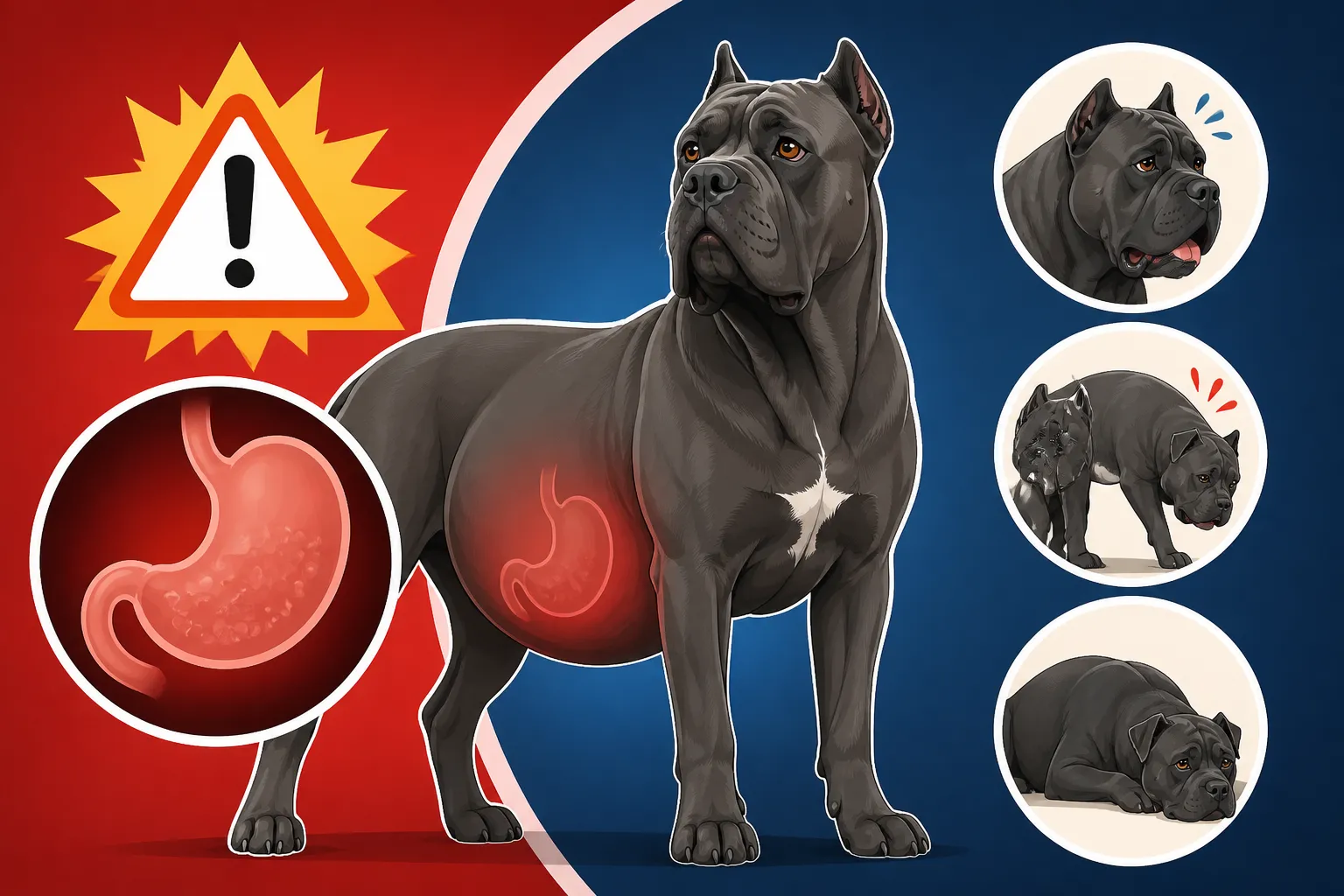
Imagine your Cane Corso's stomach, which is essentially a large, J-shaped organ in their abdomen. In GDV, it begins by distending massively with air, sometimes fluid, and even food. This initial bloating puts immense pressure on other organs and restricts blood flow. The real danger, however, comes with the "volvulus" part—the twisting. Once the stomach twists, usually between 180 and 360 degrees, both the entrance and exit of the stomach are effectively sealed off. This traps the gas, making the stomach swell even more, and cuts off its blood supply.
The consequences are horrific. Without blood flow, the stomach tissue starts to die. The spleen, which is attached to the stomach, often twists with it, cutting off its own blood supply as well. The immense pressure also restricts blood flow back to the heart, leading to a rapid drop in blood pressure and a state of shock. Toxins quickly build up from the dying tissue and impaired circulation, spreading throughout the body. It’s a critical, rapidly progressing condition that can be fatal in a matter of hours if not treated immediately.
Why Bloat is a Major Threat to Deep-Chested Breeds
Cane Corsos, like many large and giant breeds such as Great Danes, German Shepherds, and Boxers, are particularly susceptible to GDV due to their unique anatomy. They possess what is known as a "deep chest" — a chest cavity that is much deeper from the spine to the sternum than it is wide. This anatomical configuration, while giving them their majestic appearance, unfortunately also provides ample space for the stomach to swing and twist within the abdomen when distended.
Think of it like a pendulum. A long pendulum has more room to swing wildly than a short, squat one. The deep, narrow chest of a Cane Corso gives their stomach that extra freedom of movement, especially when it's already full of gas or food. This is a significant factor in why a condition like bloat and what a Cane Corso's deep chest costs them in terms of risk, making it a constant concern for owners of this magnificent breed. The speed with which this twist can occur, often without warning, is what makes it so terrifying.
The Early, Subtle Signs of Bloat
One of the most frustrating and dangerous aspects of bloat is that the early signs can be incredibly subtle, easily mistaken for general discomfort or a mild stomach upset. However, for a Cane Corso owner, learning to identify these nuanced indicators is paramount. Catching bloat in its earliest stages can be the difference between life and death.
Restlessness and Discomfort
Your Cane Corso might not be able to tell you in words that something is wrong, but their body language will often scream it. Early signs of bloat frequently manifest as an unusual restlessness or an inability to settle. Your dog might pace anxiously around the house, unable to find a comfortable position to lie down. They may stand with an arched back, or stretch frequently, as if trying to relieve pressure. You might notice them looking intently at their flank or belly, perhaps even nudging it with their nose.
They might also exhibit excessive panting, even without having engaged in any strenuous activity, and their breathing may seem shallow or labored. Some dogs will whine softly or moan, indicating pain or significant discomfort. It’s a departure from their normal behavior, and for a breed as stoic as the Cane Corso, any sustained display of discomfort should immediately raise a red flag. Pay close attention to these subtle behavioral shifts; they are your earliest warning system.
Excessive Drooling and Foaming at the Mouth
While Cane Corsos are certainly known for their impressive drool, an increase in drooling, especially when coupled with other symptoms, can be an early indicator of bloat. When the stomach twists, it can prevent normal swallowing, leading to a buildup of saliva that has nowhere to go but out of the mouth. This drool might be stringy or bubbly, and in some cases, you might even see frothy foam around their lips.
It’s important to differentiate this from the normal drooling a Cane Corso might do when excited by food or anticipating a walk. This is typically a more constant, less context-specific drooling, often accompanied by obvious signs of distress. If you find your Cane Corso drooling heavily and persistently, particularly if they are also restless or trying to vomit, it’s a sign that their digestive system is in serious trouble and struggling to process even their own saliva.
Unproductive Retching or Dry Heaving
This is perhaps one of the most classic and critical early signs of bloat in a Cane Corso, and indeed in any deep-chested breed. Your dog will repeatedly try to vomit, going through all the motions – gagging, contracting their abdominal muscles, head lowering – but nothing, or very little, actually comes up. This is because the twisted stomach has effectively blocked both the entrance (esophagus) and the exit (duodenum), making it impossible for anything to pass.
This persistent, unproductive retching is a strong indicator that the stomach is distended and may have twisted. It’s a truly distressing sight to witness your powerful Cane Corso struggling so desperately and getting no relief. If you observe this, particularly if it's sustained for more than a few minutes, do not hesitate. This is often the first sign a Cane Corso is bloating, and it signals an immediate veterinary emergency. Every moment you delay seeking professional help increases the risk significantly.
Advanced and Critical Symptoms of Bloat
If the early, subtle signs are missed or progress rapidly, bloat can quickly escalate into a full-blown crisis, presenting more obvious and alarming symptoms. Recognizing these advanced indicators means you are already in a race against time, but prompt recognition can still save your dog's life.
Abdominal Distention and Hardness
As the stomach continues to fill with gas and becomes more twisted, the most recognizable sign of bloat often emerges: a visibly distended and hard abdomen. You might notice your Cane Corso's belly looking swollen, particularly on one side, usually the left, just behind the rib cage. This swelling can become quite pronounced, making their abdomen appear taut and drum-like. When you gently press on it, it might feel hard, tense, and even painful to your dog.
This distention is not just superficial; it's a clear indication of the severe pressure building inside. The sheer size and rigidity of the abdomen are undeniable signals that the condition has worsened considerably. It's important to differentiate this from a naturally full belly after a meal; with bloat, the distention feels hard, is often asymmetrical, and is accompanied by other signs of distress. If you see this coupled with the earlier symptoms, your Cane Corso is in a critical state.
Weakness, Collapse, and Rapid Heart Rate
As bloat progresses, the dog’s entire system begins to suffer from the lack of blood flow, the build-up of toxins, and the shock. Your Cane Corso may become noticeably weak, lethargic, and unsteady on their feet. They might struggle to stand or walk, eventually collapsing and being unable to get up. Their gums may appear pale or even bluish (cyanotic), indicating poor circulation and lack of oxygen. Their breathing will likely become very shallow and rapid, and their heart rate will be significantly elevated as their body tries desperately to compensate for the shock.
Their extremities, such as their ears and paws, might feel cold to the touch. They may show signs of extreme pain, such as whimpering or trying to bite if you touch their abdomen. These are all grave signs that your Cane Corso is in hypovolemic shock, a life-threatening condition where there isn't enough blood circulating effectively throughout the body. At this stage, time is critically short, and survival depends on immediate, aggressive veterinary intervention.
Recognizing the Urgency
It cannot be stressed enough: if you observe any of the advanced symptoms of bloat – especially a distended, hard abdomen, collapse, or obvious signs of shock – your Cane Corso is experiencing a dire medical emergency. There is no time for "wait and see," and absolutely no home remedies will resolve a twisted stomach. This is a condition where the hours that decide a bloated Cane Corso's outcome are truly precious. Without immediate surgical intervention to decompress and untwist the stomach, and often to tack it into place, the prognosis is grim.
You need to act without hesitation. Call your veterinarian or the nearest 24-hour emergency veterinary clinic while you are on your way. Inform them you suspect GDV in your Cane Corso so they can prepare for your arrival. Every minute counts. Having a plan in place – knowing where your emergency clinic is, and how to get there quickly – can make a crucial difference when seconds matter.
Why Cane Corsos Are Particularly Susceptible to Bloat
While any dog can potentially experience bloat, Cane Corsos, being a giant, deep-chested breed, unfortunately sit high on the list of dogs at increased risk. Understanding these predisposing factors can help you implement preventative strategies and remain vigilant.
Anatomical Predisposition
We’ve touched on the deep-chested conformation, which allows more room for the stomach to swing. But it’s more than just a deep chest. Some studies suggest that dogs with a higher chest-to-width ratio, which is common in Cane Corsos, have a greater risk. Furthermore, the ligaments that hold the stomach in place within the abdomen can sometimes be laxer in certain individuals, offering less stability and making it easier for the stomach to rotate.
Genetics also play a role here. While not fully understood, there appears to be a hereditary component to bloat. Dogs whose close relatives (parents, siblings) have suffered from GDV are at a higher risk themselves. This genetic predisposition, combined with their large size and specific body shape, creates a perfect storm for bloat to occur in many Cane Corsos.
Dietary and Behavioral Factors
Beyond genetics and anatomy, certain feeding habits and behaviors are strongly linked to an increased risk of bloat. One of the biggest culprits is eating too fast. When a Cane Corso gulps down their food, they often ingest a significant amount of air along with it, contributing to stomach distention. Similarly, drinking large quantities of water very quickly, especially after exercise, can rapidly fill and distend the stomach.
Another significant risk factor is vigorous exercise or excitement immediately before or after meals. A full, distended stomach, jostled during play or running, is more prone to twisting. Therefore, it's crucial to understand the mealtime habits that turn a Cane Corso's stomach in a dangerous way. Stress and anxiety can also contribute to bloat in some dogs, as stress can affect digestion and lead to aerophagia (swallowing air). To help mitigate these risks, ensuring your Cane Corso rests a Cane Corso after its meal is a simple but vital practice.
Genetic Links and Age
As mentioned, there's a strong genetic component to GDV. While it's not as simple as a single gene, if bloat runs in your Cane Corso's family line, it's a red flag. Responsible breeders will often track instances of GDV in their pedigrees, though it's not always possible to fully predict. This highlights the importance of asking breeders about GDV history in their lines when considering a puppy.
While bloat can occur at any age, it is more commonly seen in middle-aged and older dogs, typically between four and seven years old, though young adult dogs are certainly not immune. The risk tends to increase with age, possibly due to a weakening of the stomach ligaments over time. However, it's important not to become complacent with younger dogs, as the condition can strike unexpectedly regardless of age, especially if other predisposing factors are present.
Immediate Actions to Take When Bloat is Suspected
You've observed the warning signs, whether subtle or critical. Now what? This is the point where swift, decisive action is not just important, but absolutely vital for your Cane Corso's survival. Hesitation can be fatal.
Do Not Wait: Emergency Vet Care is Crucial
The single most important piece of advice regarding suspected bloat is this: do not wait. There are no effective home remedies for GDV. Trying to give antacids, attempting to make your dog vomit, or waiting to see if they improve will only waste precious time, and with bloat, time is quite literally life. Your Cane Corso needs immediate professional veterinary attention.
As soon as you suspect bloat, call your veterinarian or the nearest 24-hour emergency veterinary clinic. Describe your dog's symptoms clearly and tell them you suspect GDV in a Cane Corso. This allows them to prepare their team, equipment, and operating room for your arrival, potentially saving critical minutes. Don't rely on guesswork or online advice from non-veterinary sources. Having the phone number and address of your emergency clinic saved in your phone before a crisis strikes is a simple but incredibly smart preparatory step. Services like Healthy Paws can often help cover these unexpected emergency costs, but the first step is always getting to the vet.
Safe Transport to the Clinic
Once you’ve made the call, focus on safely transporting your Cane Corso to the clinic. Your dog is likely in pain and distress, so approach them calmly and gently. If possible, have someone help you lift and position your dog in the vehicle to minimize movement and further discomfort. If your dog is very large or has collapsed, a stretcher or a sturdy blanket used as a sling can help support their abdomen and make transport easier and safer for both of you.
Keep your Cane Corso as calm as possible during the ride. Avoid sharp turns or sudden stops that could jostle them further. Monitor their breathing and overall condition. Even if they seem to improve momentarily, continue directly to the emergency clinic. The underlying problem of a twisted stomach will not resolve on its own, and any temporary relief is likely just an illusion.
What to Expect at the Vet
Upon arrival at the emergency clinic, the veterinary team will immediately assess your Cane Corso. They will likely perform a physical exam, check vital signs, and, most importantly, take an X-ray of the abdomen. This X-ray is crucial for confirming the diagnosis of GDV – it will clearly show a gas-filled stomach that has rotated.
Once GDV is confirmed, the immediate goals are stabilization and surgery. The vet will work to decompress the stomach, often by inserting a tube down the esophagus or using a large needle to release gas through the abdominal wall. This provides some relief, but the twisted stomach still needs to be corrected surgically. The primary surgical procedure for bloat is called a gastropexy. This involves untwisting the stomach and then permanently tacking it to the abdominal wall. This "tacking" prevents the stomach from twisting again in the future, significantly reducing the risk of recurrence.
While a gastropexy doesn’t prevent the initial gastric dilatation, it’s highly effective at preventing the deadly volvulus. For many owners, deciding whether a Cane Corso should have a preventive gastropexy is a serious consideration, and it's something your vet will discuss with you, especially if your dog is undergoing another procedure.
Preventative Measures to Reduce Bloat Risk
While you can never completely eliminate the risk of bloat in a Cane Corso, there are several proactive steps you can take to significantly reduce their susceptibility. These measures focus primarily on modifying feeding routines and managing physical activity.
Adjusting Feeding Habits
One of the most effective ways to reduce bloat risk is by modifying how and when your Cane Corso eats. Instead of one large meal, split their daily food ration into two or even three smaller meals. This prevents the stomach from becoming excessively full and distended at any one time. For example, dividing their six to nine cups across two Cane Corso meals, one in the morning and one in the evening, is a common and effective strategy. This not only minimizes the volume of food in the stomach but also helps regulate digestion.
Furthermore, slow feeders that pace a Cane Corso are an excellent investment. These bowls are designed with obstacles that force your dog to eat around them, preventing them from gulping down their food too quickly and ingesting excess air. While historically elevated bowls were recommended, current research suggests they actually increase bloat risk, so it’s best to feed your Cane Corso from a bowl on the floor. Pay attention to the ingredients in your dog's food; while definitive links are still being researched, some suggest certain ingredients might contribute to gas production in susceptible dogs.
Managing Exercise and Hydration
Just as important as how your Cane Corso eats is what they do before and after eating. Avoid any vigorous exercise, strenuous play, or excessive excitement for at least one hour before and two hours after meals. A full, heavy stomach, jostled around during activity, is much more likely to twist. This includes rough play with other dogs, intense training, or long runs.
Similarly, monitor your Cane Corso's water intake, especially after exercise or during hot weather. While it's crucial for them to stay hydrated, allowing them to gulp down a large volume of water immediately after eating or heavy exertion can also contribute to stomach distention. Offer smaller amounts of water more frequently, or use a slow-drinking bowl to prevent rapid ingestion. Providing constant access to fresh water is good, but managing how they drink when their stomach is vulnerable is key.
Considering a Prophylactic Gastropexy
For many Cane Corso owners, especially those with a strong family history of bloat or an elevated concern, a prophylactic gastropexy is a serious consideration. This is a surgical procedure where the stomach is permanently tacked to the abdominal wall to prevent it from twisting (volvulus) in the future. While it doesn't prevent the initial gas buildup (dilatation), it eliminates the deadliest part of GDV.
This procedure can often be performed at the same time as another abdominal surgery, such as when booking a Cane Corso's stomach tack with its neuter or spay. This saves your dog from undergoing anesthesia twice. While it's still surgery with associated risks, the preventive gastropexy is significantly less invasive and carries fewer complications than emergency GDV surgery. It offers immense peace of mind for owners of high-risk breeds. Discuss this option thoroughly with your veterinarian; they can provide detailed information on the benefits, risks, and whether it's the right choice for your individual Cane Corso. Many pet insurance providers, like Healthy Paws, may even cover a portion of the costs for this preventative measure if it's not considered a pre-existing condition, underscoring its medical value.
Regular Health Monitoring and Vet Visits
Beyond specific feeding and exercise changes, general proactive health management is always beneficial. Regular check-ups allow your veterinarian to monitor your Cane Corso's overall health, discuss any changes in behavior or appetite, and address concerns before they escalate. It’s also an opportunity to revisit discussions about bloat risk and preventative strategies, especially as your dog ages. Understanding how often a healthy Cane Corso sees the vet for routine care is a fundamental part of responsible ownership.
Maintain a keen awareness of your Cane Corso's typical habits and behaviors. You know your dog best. Any unexplained changes in their energy levels, appetite, thirst, or bathroom habits should warrant attention. The more attuned you are to their normal state, the quicker you will recognize when something is truly amiss. A proactive approach to health, coupled with vigilance for bloat symptoms, gives your majestic Cane Corso the best chance at a long, healthy life.
| Symptom Category | Early/Subtle Bloat Signs | Advanced/Critical Bloat Signs |
|---|---|---|
| Behavior | Restlessness, pacing, difficulty settling, looking at flank | Weakness, lethargy, collapse, inability to stand |
| Digestion | Excessive drooling, lip licking, unproductive retching/dry heaving | Visible abdominal distention (swelling), abdomen hard to touch |
| Physical | Panting without exertion, mild discomfort | Pale gums, rapid/shallow breathing, elevated heart rate, cold extremities, signs of shock |
| Urgency | Monitor closely, call vet for advice, prepare for emergency | IMMEDIATE EMERGENCY VET REQUIRED |
Disclaimer
The information provided in this guide is for informational purposes only and does not constitute veterinary medical advice. Always consult with a qualified veterinarian for any health concerns or before making any decisions related to your Cane Corso's care. In the event of a suspected emergency like bloat, seek immediate veterinary attention.