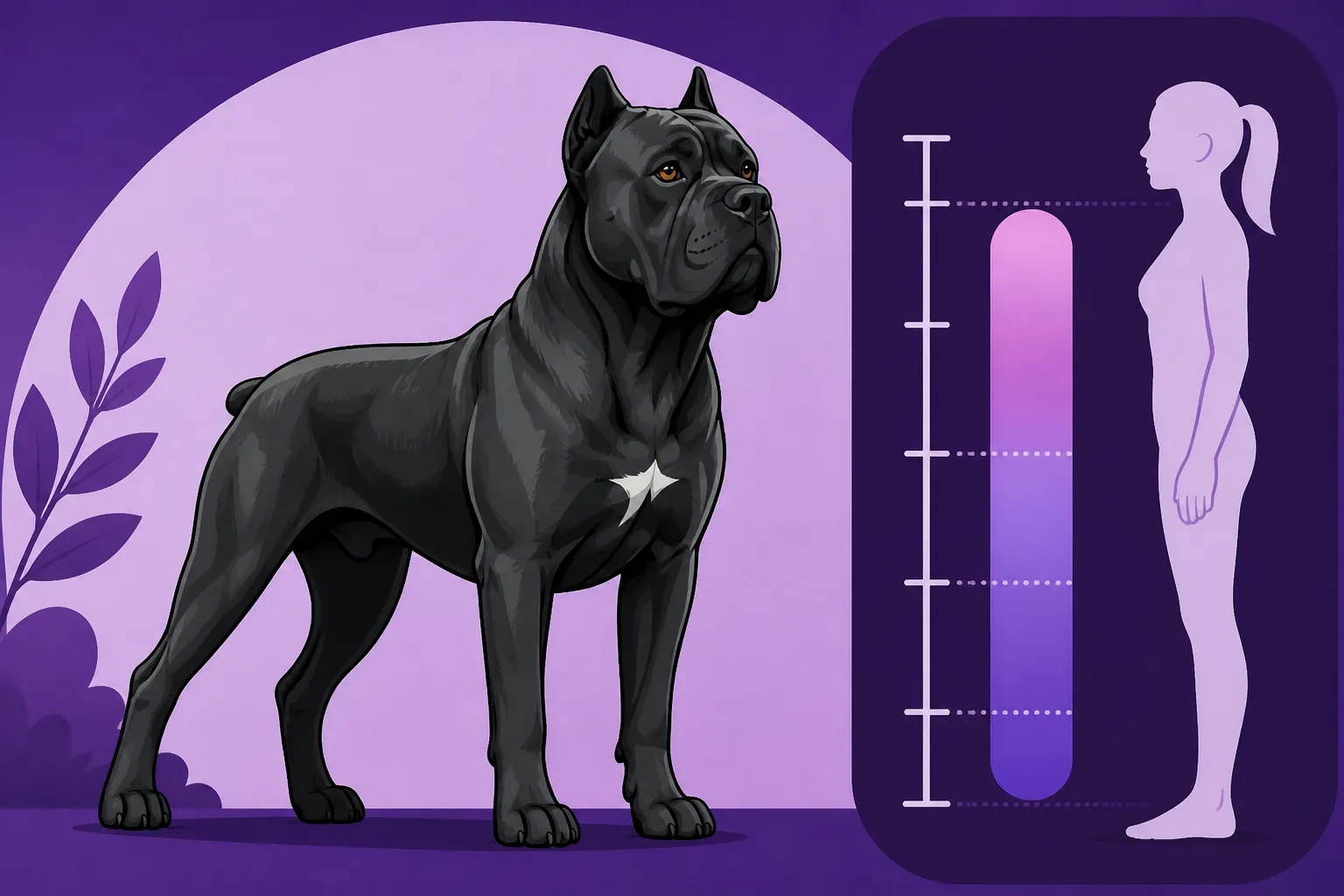
The Height Range a Female Cane Corso Falls In
One of the biggest questions new Cane Corso owners, or those just dreaming of welcoming one into their home, often have is just how big these magnificent dogs truly get. It's a valid concern, especially when you're looking at a female. While they might not reach the sheer mass of their male counterparts, female Cane Corsos are still substantial dogs, and their ultimate height can be a bit of a moving target depending on several factors. This guide will walk you through the typical height range for female Cane Corsos, what influences their size, and what to expect as your girl grows from a tiny pup into a commanding presence.
The Official Word on Female Cane Corso Height
When we talk about specific measurements for any purebred dog, the first place to look is always the breed standard. This is the blueprint that breed clubs use to define the ideal characteristics of a dog, including their size. For the Cane Corso, these standards provide a clear, albeit sometimes narrow, range for what's considered appropriate.
AKC and FCI Standards for Females
Both the American Kennel Club (AKC) and the Fédération Cynologique Internationale (FCI), which is the international canine organization that the AKC's standard for the Cane Corso is largely based upon, provide guidelines for the height of a female Cane Corso. Typically, a mature female Cane Corso is expected to stand between 23.5 and 26 inches (59 to 66 cm) at the withers. The withers, for those new to dog terminology, is the highest point of the shoulder blades, not the top of the head. This is the standard measurement point for dog height across most breeds.
It's important to understand that this is an ideal range for show dogs and breeding stock. A female Cane Corso outside this range isn't necessarily unhealthy or less of a Cane Corso, but she might not conform to the strict aesthetic criteria for competition. For example, a girl who stands at 22 inches or 27 inches might be perfectly healthy and happy, but would be penalized in the show ring. The standard is a goal, a representation of the breed's physical peak, developed over generations to ensure functionality and breed type. When you look at What the Standard Says a Cane Corso Should Look Like, you'll see how every part of their anatomy is considered, and height is a crucial part of that overall picture.
Why the Range Matters
This height range isn't arbitrary; it reflects the breed's historical purpose and maintains its unique physical capabilities. The Cane Corso was originally bred as a utility dog in Italy, used for guarding property, hunting large game like wild boar, and driving cattle. A female needed to be agile enough to work, but substantial enough to deter threats and handle tough tasks. Too small, and she might lack the imposing presence and power. Too large, and she could lose the crucial agility required for her demanding roles, putting undue stress on her joints.
When considering the height of your female Cane Corso, remember that the standard gives you a good idea of what to expect from a well-bred dog with proper ancestry. It helps breeders make informed decisions to maintain the health and working ability of the breed. For potential owners, knowing this range helps you gauge whether a puppy you're considering is likely to fit the typical mold or if they might be exceptionally small or large, which could have implications for their care and overall physical development.
Factors Influencing a Female Cane Corso's Height
While the breed standard provides a neat little box for height, individual dogs are not always so tidy. Several factors play a significant role in how tall your female Cane Corso will ultimately become, and it's a fascinating interplay of nature and nurture.
The Genetic Blueprint
Genetics are undoubtedly the primary determinant of a Cane Corso's adult height. Just like in humans, puppies inherit traits from both their parents. If both parents are on the taller end of the standard, your female puppy is more likely to be taller. Conversely, if her parents are smaller, she may follow suit. This is why a reputable breeder will be transparent about the size and conformation of the dam and sire, and often even grandparents. They understand that Reading a Cane Corso's DNA Results Before You Buy can offer insights into certain health conditions, but looking at the physical traits of the lineage provides a direct preview of potential size.
Beyond just the parents, the genetic lines themselves can carry tendencies for larger or smaller frames. Some lines may be known for producing exceptionally robust and tall dogs, while others might consistently produce females that are closer to the minimum standard. It’s not just about height, either; bone structure, head shape, and overall proportions are all deeply rooted in their genetic code. This inherited foundation sets the stage, but it's not the whole story.
Nutritional Impact on Growth
Nutrition plays a critical, often underestimated, role in a Cane Corso puppy's development, especially concerning their height and overall skeletal health. Growing too fast or too slowly due to improper nutrition can have lasting consequences. Giant breeds like the Cane Corso have specific dietary needs that differ significantly from smaller breeds.
Feeding a high-quality, large-breed puppy food formulated for slow growth is paramount. These specialized foods, often found from brands like Chewy, are designed with appropriate calcium and phosphorus ratios and controlled calorie levels to prevent rapid growth spurts. Rapid growth can put immense stress on developing joints and bones, potentially leading to issues like hip and elbow dysplasia, even in puppies with excellent genetics. For more information on this, consider reading Why a Cane Corso Puppy Should Not Grow Too Fast.
Conversely, underfeeding or providing a diet lacking essential nutrients can stunt growth, preventing a female Cane Corso from reaching her full genetic potential. It’s a delicate balance, and consulting with your veterinarian or a canine nutritionist is always recommended to ensure your growing girl is receiving everything she needs. Portion control is also key; free-feeding a giant breed puppy can lead to obesity and accelerated growth, so stick to measured meals. Six to Nine Cups Across Two Cane Corso Meals is a good guideline for an adult, but puppies have different needs.
Exercise and Joint Health
Proper exercise is another vital component in a female Cane Corso's healthy growth, influencing not just her overall development but also the integrity of her joints, which indirectly affects how well her frame develops to its potential height. Over-exercising a growing Cane Corso puppy can be just as detrimental as under-exercising her.
Puppies need plenty of appropriate exercise to build strong muscles and bones, but it must be low-impact and age-appropriate. Long, forced runs, jumping from heights, or intense, repetitive activities like long sessions of fetch should be avoided until her growth plates have closed, typically around 18-24 months. These kinds of activities can stress immature joints and lead to injuries or developmental problems that can impact her final height and overall soundness. Instead, focus on moderate walks, controlled play in a safe yard, and mental stimulation.
On the flip side, a lack of exercise can lead to weak muscles and ligaments, contributing to poor posture and insufficient joint support. This isn't just about weight, but about proper musculoskeletal development. A strong, well-conditioned body, developed through appropriate exercise, helps her achieve the robust frame described in The Chest and Body a Cane Corso Standard Describes. Always monitor your puppy for signs of lameness or discomfort and adjust her activity level accordingly.
Understanding the Growth Curve of a Female Cane Corso
Watching a Cane Corso puppy grow is truly astounding. They transform from chunky little fluff balls into imposing, majestic adults at an incredible rate. But it's not a straight line, and understanding their growth curve can help you manage expectations and ensure they're developing healthily.
Puppy Growth Spurts
Cane Corso puppies experience significant growth spurts, particularly in their first year. You'll blink and they'll seem to have grown inches overnight! These rapid periods of growth are normal, but as mentioned earlier, they need to be managed carefully with diet and exercise to prevent stress on their developing skeletal system.
From about 8 weeks to 6 months, a Cane Corso puppy will often gain several pounds a week and shoot up in height. While it's exciting to see them get bigger, focusing on steady, healthy growth is more important than achieving maximum size quickly. Your vet will monitor her weight and overall body condition at her regular check-ups, and this is a great time to ask if she's on a healthy trajectory. Remember, being lean during growth is far better for her long-term health than being chunky.
When They Stop Growing Taller
Many large breed dog owners wonder at what point their giants will stop growing. For a female Cane Corso, the major height growth typically slows down and largely ceases around 12 to 16 months of age. While they might add a tiny fraction of an inch here or there after this period, the significant upward growth has usually concluded. This is why you often hear breeders and vets say that by a year and a half, you generally know how tall your Cane Corso will be. For more insights, check out The Month a Cane Corso Stops Growing Taller.
However, "done growing" isn't quite the same as "fully mature." While the vertical growth halts, their bodies continue to develop in other ways.
Filling Out and Maturation
Even after a female Cane Corso reaches her full height, she will continue to "fill out" for another year or even longer. This means her chest will deepen, her muscles will develop further, and she'll gain more substance and breadth. A Cane Corso isn't considered fully mature until they are typically around two to three years old. This is the period where they transition from a gangly, adolescent frame to the powerful, muscular physique that is characteristic of the breed. This concept is explored further in Why a Cane Corso Keeps Filling Out Until Two.
During this filling-out phase, her weight will increase, and her overall presence will become more substantial. It’s crucial to maintain a healthy body condition during this time; you should still be able to easily feel her ribs without seeing them prominently, and she should have a distinct waist when viewed from above. Regularly Checking a Cane Corso's Ribs With Your Hands is a simple but effective way to monitor her condition. Overweight dogs, regardless of breed, are prone to joint problems, heart issues, and a shorter lifespan.
Practical Considerations for Living with a Tall Female Cane Corso
Living with a large and powerful dog like a female Cane Corso requires some practical adjustments, even if she's on the smaller end of the breed standard. Their height and strength mean you need to be prepared for everything from daily routines to long-term health considerations.
Preparing Your Home for a Tall Dog
Even a "smaller" female Cane Corso can easily reach countertops, doorknobs, and high shelves. It's not uncommon for them to be eye-level with a kitchen table. This means a thorough "Cane Corso-proofing" of your home is essential. Store food, medications, cleaning supplies, and anything else you don't want them getting into well out of reach. This isn't just about preventing mischief; it's about keeping her safe from potential toxins or blockages.
Consider the layout of your home and her access. If you have stairs, especially during her puppy phase, be mindful of her joint development. While an adult Cane Corso can navigate stairs, excessive stair climbing as a puppy can put undue stress on growing joints. Provide comfortable, large beds that can support her weight, ideally orthopedic beds, as these dogs can be prone to joint issues as they age. Brands available on Chewy often have excellent options specifically designed for giant breeds, with dense foam to distribute weight evenly and prevent pressure sores.
Choosing Gear for Her Size
Standard dog gear often won't cut it for a female Cane Corso. From collars to crates, you'll need equipment designed for large, powerful dogs. Think heavy-duty buckles, reinforced stitching, and durable materials.
- Collars and Leashes: A sturdy, wide collar and a strong leash are non-negotiable. Look for materials like thick leather or heavy-duty nylon. A slip lead or a front-clip harness can be helpful for leash training and managing her strength. Explore options for Crates, Collars and Leads Sized for a Cane Corso to ensure you're choosing appropriate and safe equipment.
- Crates: If you plan to crate train, she'll need a very large, robust crate. Many standard crates are not designed for the sheer power of a Cane Corso, and a determined dog can bend or break out of a flimsy one. Look for heavy-gauge wire or even custom-built crates. Even if she's not actively crated as an adult, having a secure space for emergencies or travel is wise.
- Bowls: Raised food and water bowls can sometimes be beneficial for deep-chested breeds, as they may help reduce gulping air while eating, which can be a factor in bloat. However, research on this is mixed, so discuss it with your vet. Regardless, you'll need large, heavy bowls that won't tip over easily and can hold enough food for The Daily Ration an Adult Cane Corso Actually Needs. Many pet supply stores, including online retailers like Chewy, carry a good selection of large, heavy-duty stainless steel or ceramic bowls.
- Transportation: Her size will also dictate your vehicle choices. A standard car trunk might be too small, and she likely won't fit comfortably in the back seat without a proper barrier or a dedicated large-breed car safety harness. If she rides in a truck bed (which should always be a secured, covered crate for safety), you'll need a large, heavy-duty crate. Ramps can also be a godsend to help her get in and out of vehicles as she gets older, protecting her joints. Orthopedic Beds Rated for a Cane Corso's Weight are a great choice, but so are ramps that can assist them, especially as they age.
Key Health Considerations Related to Size
A female Cane Corso's large size, while magnificent, also comes with specific health considerations that owners need to be aware of. Being proactive and understanding these potential issues is part of responsible ownership.
Joint Health and Developmental Orthopedic Issues
Like many giant breeds, female Cane Corsos are predisposed to developmental orthopedic issues such as hip and elbow dysplasia. These conditions are influenced by genetics, nutrition, and exercise during their critical growth phases. Even if your female Cane Corso is genetically clear, improper care can exacerbate these risks.
Maintaining a lean body condition throughout her life is paramount. Excess weight puts immense strain on joints, accelerating the onset and severity of arthritis, especially in large dogs. Regular, moderate exercise helps to build strong supporting musculature around her joints without overstressing them. Consider Whether a Cane Corso Benefits From Joint Supplements as she ages, but always discuss this with your vet first. Regular veterinary check-ups are crucial for monitoring her joint health, and your vet may recommend specific supplements or lifestyle adjustments as she gets older.
Bloat Gastric Dilatation-Volvulus
Cane Corsos, like other deep-chested breeds, are at a higher risk of bloat (gastric dilatation-volvulus or GDV), a life-threatening condition where the stomach fills with gas and can twist. While not directly related to height, their deep chest conformation makes them more susceptible.
Symptoms can come on rapidly and include unproductive retching, a distended abdomen, restlessness, and pain. It's a true emergency, and immediate veterinary attention is critical. Many owners of Cane Corsos opt for a prophylactic gastropexy, a surgical procedure where the stomach is tacked to the abdominal wall, significantly reducing the risk of a life-threatening twist. This procedure is often performed at the same time as spaying. Understanding Recognizing Bloat in a Cane Corso Before It Turns can save your dog's life. Factors like eating too quickly, vigorous exercise after meals, and stress can contribute to bloat risk. Feeding two smaller meals a day instead of one large one, using a slow feeder, and ensuring quiet rest time after eating can help minimize risk.
Lifespan and Senior Care
While this guide focuses on height, it's intrinsically linked to lifespan and the quality of life, especially in later years. The average lifespan for a Cane Corso is typically around 9 to 12 years. As they age, larger dogs can face more pronounced challenges with mobility due to arthritis and other age-related conditions.
Providing orthopedic support, managing pain with veterinary-prescribed medications or supplements, and keeping her weight in check become even more critical in her senior years. You might need to help her get up or navigate slippery floors. Even though a female Cane Corso might be a few inches shorter than a male, she's still a big dog, and lifting her as she ages will require strength or assistive devices like slings or ramps. Understanding What Changes in a Cane Corso After Its Eighth Birthday helps you prepare for her golden years.
In conclusion, the height range for a female Cane Corso, typically 23.5 to 26 inches, is a critical aspect of their breed standard, reflecting their historical purpose and physical capabilities. However, this is just a guideline. Her final height will be a unique combination of genetics, nutrition, and appropriate exercise throughout her developmental stages. By providing a healthy environment, proper care, and vigilant monitoring, you can help your female Cane Corso grow into a strong, magnificent companion, regardless of where she falls within that height spectrum.
Disclaimer
This article is for general informational purposes only and does not constitute professional advice. Laws, prices and regulations vary by location and change over time. Consult a qualified professional for guidance on your specific situation.