How Much a Grown Male Cane Corso Weighs
One of the most common questions I hear from prospective Cane Corso owners, and even those who've brought their new puppy home, is about just how big their magnificent companion will get. Specifically, for the boys, it often comes down to: how much does a grown male Cane Corso weigh? It’s not just idle curiosity; knowing what to expect is crucial for everything from budgeting for food to understanding potential health concerns and ensuring you can properly manage such a powerful dog. This guide will help you understand the typical weight range, what influences it, and why maintaining a healthy weight is paramount for your male Cane Corso's well-being.
Understanding the Cane Corso Standard for Weight and Size
When you're dealing with a breed as impressive and substantial as the Cane Corso, understanding the breed standard isn't just for show ring enthusiasts. It provides a blueprint for what a healthy, well-conformed dog of the breed should look like, and weight is a significant part of that picture. It gives you a realistic expectation of what your dog should weigh, not just what he could weigh.
The Official Breed Standard for Males
The breed standard for the Cane Corso, as recognized by organizations like the American Kennel Club (AKC), outlines a range for height and weight that represents the ideal. For a grown male Cane Corso, the weight typically falls between 99 and 110 pounds (45-50 kg). Now, you might be thinking, "That's it? I've seen Cane Corsos much bigger!" And you wouldn't be wrong. However, it’s important to remember that this range is considered the ideal for health and functionality. These dogs are meant to be powerful, athletic, and agile, not cumbersome or excessively bulky. Their weight should be in proportion to their height and bone structure, giving them a commanding presence without being overweight. The standard also specifies height, with males typically standing between 25 and 27.5 inches at the withers. A dog that is excessively heavy outside this range often loses the athletic build the breed is known for.
It’s about balance, a powerful dog that moves with purpose and grace, not a giant who struggles under his own mass. When you consider How Much a Grown Male Cane Corso Weighs, it’s always within the context of their overall athletic build.
Why a Healthy Weight is Crucial, Not Just a Number
For a breed like the Cane Corso, maintaining a healthy weight isn't merely about aesthetics or adhering to a standard; it's fundamental to their longevity and quality of life. An overweight Cane Corso, for instance, puts immense strain on his joints, particularly his hips and elbows, which are already susceptible to conditions like hip and elbow dysplasia. Imagine carrying an extra 20 or 30 pounds on your frame every single day, every time you walk, run, or jump. That added stress can accelerate the onset of arthritis and exacerbate existing joint problems, leading to pain and reduced mobility much earlier in life.
Beyond joint health, excess weight contributes to a whole host of other issues. It can increase the risk of heart disease, respiratory problems, diabetes, and even certain types of cancer. It affects their stamina and their ability to regulate body temperature, making them more prone to overheating. A lean, fit Cane Corso, on the other hand, is more agile, has better endurance, and generally experiences fewer weight-related health complications. This is why breeders often emphasize Why a Lean Cane Corso Keeps Its Hips Longer, understanding that a healthier weight translates to a healthier life.
The Pitfalls of "Oversized" Cane Corsos
There's a prevailing misconception, especially among those new to the breed, that "bigger is better" when it comes to a Cane Corso. You might see breeders or individuals advertising "giant" or "oversized" Cane Corsos, sometimes reaching well over 120 or even 130 pounds. While impressive to behold, these exceptionally large dogs often come with a higher risk of health problems. Rapid or excessive growth can put undue stress on a puppy's developing joints, contributing to painful conditions later on. An oversized Cane Corso can struggle with mobility, endurance, and heat tolerance. Their lifespan might even be shortened due to the increased burden on their organs and musculoskeletal system.
It's a common frustration to see people actively seeking out these larger dogs, not understanding the potential welfare implications. While a slight variation from the standard is normal, a dog significantly outside the healthy weight range is often compromised. Responsible breeding focuses on health, temperament, and adherence to a functional standard, not on creating dogs that push the boundaries of size at the expense of well-being. Prioritizing extreme size over soundness is never in the dog's best interest.
What Influences a Male Cane Corso's Weight and Development?
Just like humans, no two Cane Corsos are exactly alike, and their adult weight can be influenced by a complex interplay of genetics, nutrition, exercise, and overall health. Understanding these factors can help you better anticipate your puppy's growth and manage your adult dog's weight.
The Genetic Lottery: What Parents Pass Down
Genetics play a huge role in determining your Cane Corso's eventual size and build. Your puppy inherits traits from both parents, including their bone structure, muscle mass potential, and overall growth patterns. If both parents are on the larger, heavier end of the breed standard, there's a good chance their offspring will follow suit. Conversely, if the parents are lighter and more agile, their pups are likely to be similar. This is why researching a puppy's lineage and seeing both parents, if possible, is so important. A responsible breeder will be transparent about the parents' size and health clearances, giving you a better idea of what to expect.
However, genetics aren't the only factor. Even with excellent genetics, improper care can lead to an unhealthy weight. Conversely, a dog with parents on the smaller side might still reach the higher end of the healthy weight range with optimal nutrition and development. It's a foundation, but not the whole house.
Fueling Growth: Diet and Nutrition from Puppyhood On
Nutrition is arguably one of the most critical factors in a Cane Corso's development, especially during their rapid growth phase as puppies. Feeding a high-quality, large-breed puppy food designed for slow growth is essential. These specialized formulas contain appropriate levels of calcium, phosphorus, and protein to support the development of strong bones and joints without encouraging excessively fast growth, which can be detrimental. Overfeeding a puppy or feeding a diet too high in calories or certain nutrients can cause them to grow too quickly, putting stress on their developing skeletal system and increasing the risk of orthopedic issues like hip or elbow dysplasia.
As they transition to adulthood, their nutritional needs change. An adult male Cane Corso needs a balanced diet that supports his muscle mass and activity level without leading to weight gain. The Daily Ration an Adult Cane Corso Actually Needs will vary based on his metabolism, activity, and individual genetics, but typically involves several cups of high-quality kibble daily, often split into two meals. Regularly evaluating their diet and adjusting portions as needed, perhaps with guidance from your vet, is key. Using a reputable pet supply retailer like Chewy can help ensure you have access to a wide variety of appropriate large-breed formulas and supplements.
Here’s a general guideline for understanding the phases of a male Cane Corso's growth:
| Age (Months) | Approximate Weight Range (Male) | Key Development Notes |
|---|---|---|
| 2 | 20-35 lbs | Rapid growth, focus on socialization, foundational training |
| 4 | 40-60 lbs | Continued rapid growth, significant increase in strength, house-training focus |
| 6 | 60-80 lbs | Approaching two-thirds of adult height, still lean, need for structured exercise |
| 9 | 85-100 lbs | Nearing adult height, filling out, entering adolescence, weight gain might slow slightly |
| 12 | 95-110 lbs | Often near adult weight, but still developing muscle and bone density |
| 18-24 | 99-110+ lbs | Reaching full physical maturity, continued filling out, adult weight stabilized |
Note: These are approximate ranges; individual variation is expected. Always consult your vet for personalized growth and weight advice.
Exercise and Muscle Development: Building a Powerful Physique
A Cane Corso is a working breed, and as such, they need appropriate exercise to develop and maintain their impressive muscle mass and overall fitness. Regular, consistent exercise not only keeps their minds stimulated but also helps build and maintain lean muscle, which contributes significantly to their healthy weight. Without enough exercise, even a well-fed Cane Corso can become sluggish, lose muscle tone, and be more prone to weight gain.
However, it's a delicate balance, especially during puppyhood. Over-exercising a growing Cane Corso can be just as detrimental as under-exercising them. Too much high-impact activity, like jumping or long-distance running, before their growth plates have closed can lead to irreversible joint damage. As they mature, controlled, moderate exercise such as brisk walks, swimming, or mentally stimulating activities like scent work are ideal. These activities support healthy muscle development without putting excessive strain on their joints. As they get older, The Age a Cane Corso Can Start Real Exercise becomes a crucial consideration for their long-term joint health.
The Timeline of Growth: When They Stop Filling Out
Cane Corsos are giant breed dogs, and unlike smaller breeds, they take a considerable amount of time to reach their full physical maturity. While a male Cane Corso might reach his full height around 12-14 months, he will continue to "fill out" and gain muscle mass, bone density, and depth of chest for another year or even longer. Many male Cane Corsos don't achieve their final, mature weight and build until they are closer to 24-36 months old. This means that even if your male seems tall and somewhat lean at 18 months, he still has more developing to do.
During this "filling out" phase, it’s vital to continue with appropriate nutrition and exercise. Don't mistake a naturally leaner, still-developing dog for an underweight one. Monitoring their body condition score, rather than just the number on the scale, is key. Knowing The Growth Curve a Cane Corso Follows to Nineteen Months can help you set realistic expectations for your dog's development and avoid pushing them to grow too fast.
Health Implications of Weight for Your Cane Corso
Weight management is a lifelong commitment for any dog owner, but for a large, powerful breed like the Cane Corso, it takes on even greater significance. The health consequences of being either overweight or underweight can be severe and impact nearly every system in their body.
The Silent Burden: Health Risks of Being Overweight
The most common weight-related problem we see in Cane Corsos is obesity, and it's a silent burden that can shave years off their life and significantly reduce their quality of life. As mentioned earlier, the strain on their joints is immense. Hip and elbow dysplasia, common in large breeds, are exacerbated by extra weight, leading to earlier onset of arthritis, pain, and lameness. Imagine a one hundred pound dog carrying an extra ten to twenty pounds; that's like a person carrying a heavy backpack all day, every day. Over time, that takes a toll.
Beyond joint issues, being overweight can lead to:
- Cardiovascular Disease: The heart has to work harder to pump blood throughout a larger body, increasing the risk of heart conditions.
- Respiratory Problems: Excess fat around the chest and abdomen can restrict lung capacity, making breathing more difficult, especially in warm weather or during exercise.
- Diabetes: Just like in humans, obesity is a major risk factor for developing diabetes in dogs.
- Decreased Stamina and Heat Intolerance: Overweight dogs tire more easily and are more prone to overheating, which can be life-threatening for a large, deep-chested breed.
- Increased Anesthesia Risk: For a breed already prone to Anesthesia Risk in a Deep Chested Cane Corso, being overweight adds another layer of complication to any necessary surgeries.
- Reduced Lifespan: Studies consistently show that maintaining a lean body condition can add years to a dog's life.
It can be hard to notice weight gain gradually, but paying attention to Spotting Weight Gain on a Cane Corso Month to Month is crucial for early intervention.
Too Thin: When Underweight is a Problem
While less common in well-cared-for Cane Corsos, being significantly underweight also poses serious health risks. A Cane Corso that is too thin might not have sufficient muscle mass to support his large frame, leading to weakness and susceptibility to injuries. Being underweight can also be a symptom of an underlying health issue, such as parasites, malabsorption problems, dental disease, or other chronic illnesses.
An underweight dog may have a compromised immune system, making them more vulnerable to infections. They might also lack the energy and stamina for normal activities. If your Cane Corso appears too thin, with ribs, hip bones, and vertebrae prominently visible without effort, it's essential to consult your veterinarian to rule out any medical conditions and establish a proper feeding plan. Sometimes, a high-quality, calorie-dense food from a trusted brand like Chewy, or supplements, may be recommended under vet supervision.
Learning to "Read" Your Dog: Body Condition Scoring
Relying solely on the number on the scale can be misleading because individual Cane Corsos have different bone structures and muscle densities. A much more effective way to assess your dog's weight is through body condition scoring (BCS). This involves both looking at and gently feeling your dog's body.
Here’s a simplified guide to checking your Cane Corso's body condition:
- Ribs: You should be able to easily feel your dog's ribs, like feeling the knuckles on your hand, without pressing hard. You shouldn't see them prominently sticking out, but a faint outline might be visible in a very lean, athletic dog. If you can't feel them at all without firm pressure, he's likely overweight. If they're clearly visible and sharp, he might be underweight.
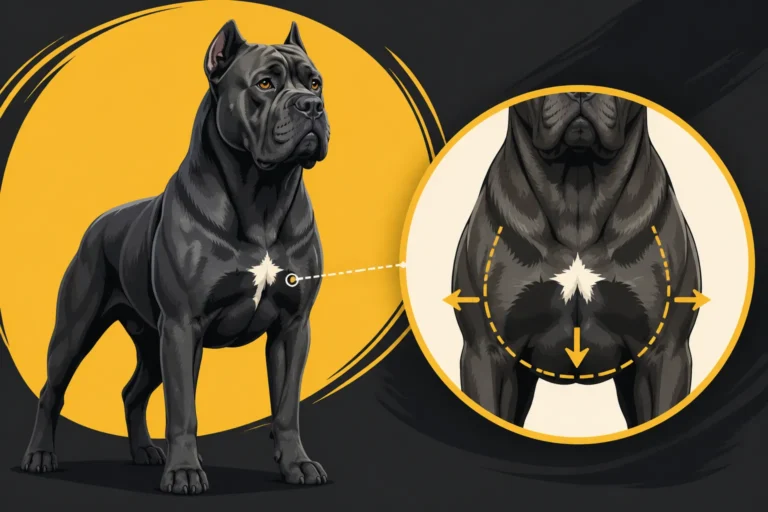
- Waist: When looking down at your Cane Corso from above, you should see a distinct "waist" or tuck behind his ribs. It shouldn't be extreme, but it should be noticeable. If he looks like a solid cylinder from head to tail, he's carrying too much weight.
- Abdominal Tuck: When looking at your dog from the side, his abdomen should tuck up slightly from his rib cage to his hind legs. If his belly sags or is level with his chest, he might be overweight.
Your veterinarian will use a more detailed 5-point or 9-point BCS scale during check-ups, but these at-home checks are excellent for daily monitoring. Regularly assessing his BCS will help you quickly identify if you need to adjust his food intake or exercise routine.
Practical Strategies for Managing Your Cane Corso's Weight
Successfully managing your male Cane Corso's weight throughout his life requires a consistent and thoughtful approach to diet, exercise, and regular health monitoring. It’s a partnership between you, your dog, and your veterinarian.
Crafting a Balanced Diet for an Adult Male
Once your Cane Corso has finished growing and filling out, typically around two years old, you'll transition him to an adult maintenance diet. This usually means a high-quality large-breed adult dog food. The exact amount will depend on his age, activity level, metabolism, and the specific food's caloric density. Most food manufacturers provide feeding guidelines on their packaging, but these are just starting points.
- Portion Control: Measure his food accurately every single day. Eyeballing it can quickly lead to overfeeding. Split his daily ration into two meals to help with digestion and potentially reduce the risk of bloat, a serious concern for deep-chested breeds.
- Calorie-Dense Treats: Be mindful of treats. While great for training, they add calories. Opt for low-calorie options or use small pieces of his regular kibble.
- Avoid Table Scraps: Human food can be too rich, high in fat, or even toxic for dogs, and it quickly adds unnecessary calories.
- Hydration: Always ensure he has access to fresh, clean water. Sometimes dogs might appear hungry when they are actually thirsty.
- Consider Supplements: For a large breed like the Cane Corso, joint supplements like glucosamine and chondroitin can be beneficial, especially as they age or if they have predispositions to joint issues. Your vet or even the wide selection on Chewy can guide you on suitable options.
It’s about finding the right balance to provide adequate energy without excess.
Designing an Appropriate Exercise Routine
For a strong, athletic breed like the Cane Corso, consistent exercise is non-negotiable for both physical and mental well-being, and certainly for weight management. An under-exercised Cane Corso can become bored, destructive, and unhealthy.
- Daily Walks: Aim for at least 60-90 minutes of vigorous walking daily, ideally split into two sessions. This isn't a leisurely stroll around the block; it should be a brisk pace that gets his heart rate up.
- Mental Stimulation: Don't forget their minds! Scent work, puzzle toys, and training sessions count as exercise and help burn calories and energy. A mentally tired Cane Corso is often a better-behaved Cane Corso.
- Safe Off-Leash Time: If you have a secure, fenced area, allowing him to run and play freely can be excellent exercise. However, remember the guarding instinct of the breed; public dog parks may not always be the safest environment for them.
- Avoid Extremes: Especially in hot weather, be careful not to overdo it. Cane Corsos can overheat easily. Adjust exercise times to cooler parts of the day and always carry water. The Temperature a Black Cane Corso Should Not Walk In is a good point of reference, especially for darker coated dogs who absorb more heat.
- Consider Activities: Activities like swimming are fantastic for joint-friendly exercise. Some Cane Corsos enjoy pulling carts or weight work once fully mature, but this should be introduced gradually and under expert guidance.
Regular Vet Checks and Proactive Monitoring
Your veterinarian is your best partner in managing your Cane Corso's weight. During routine check-ups, your vet will assess his body condition, weigh him, and discuss any concerns you might have. These visits are also an opportunity to monitor for any underlying health issues that might be affecting his weight.
- Annual Exams: Even healthy adult Cane Corsos should have at least one annual veterinary examination. For senior dogs, twice a year is often recommended, as their metabolism and health needs can change rapidly. What Changes in a Cane Corso's Care After Eight is a significant consideration.
- Discuss Changes: If you notice any sudden changes in your Cane Corso's appetite, energy levels, or weight (either gain or loss), don't wait for the next annual check-up. Consult your vet promptly.
- Growth Plate Monitoring (for puppies): For growing puppies, your vet can help ensure they are growing at a healthy rate and not putting undue stress on their developing joints. What a Cane Corso Should Weigh at Six Months can give you an early indicator of whether they are on the right track.
- Record Keeping: Keep a record of your Cane Corso's weight, especially during his growth phases, and note any changes. This data can be incredibly helpful for your vet and for you to track his overall health.
By staying proactive and attentive to your male Cane Corso's diet, exercise, and overall health, you can help him maintain a healthy weight, which is the cornerstone of a long, happy, and active life.
Disclaimer
This article is for general informational purposes only and does not constitute professional advice. Laws, prices and regulations vary by location and change over time. Consult a qualified professional for guidance on your specific situation.