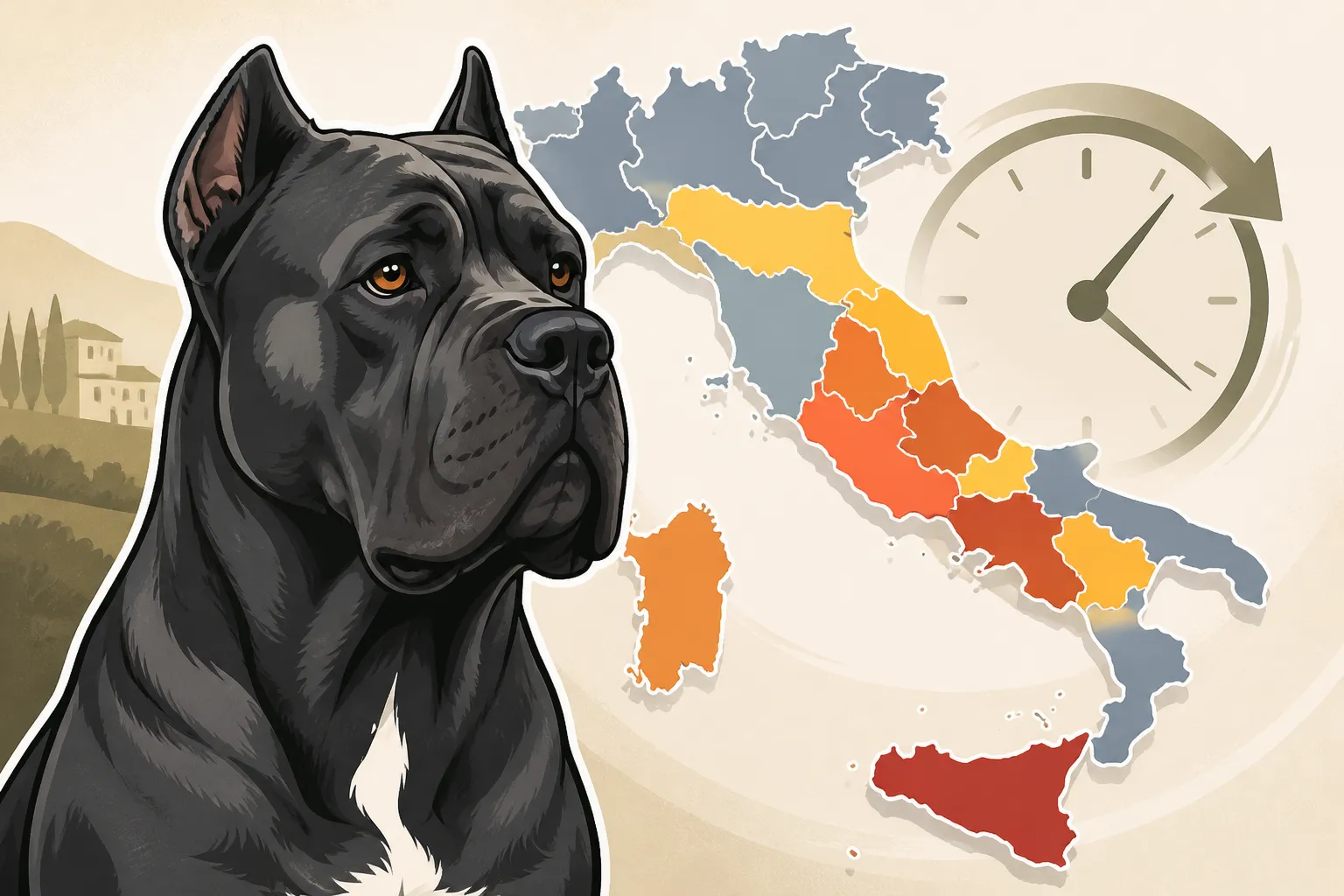
Which Italian Regions Kept the Cane Corso Longest
It’s a heartbreaking thought to imagine a beloved dog breed simply vanishing from existence, especially one as magnificent and deeply rooted in history as the Cane Corso. For generations, these powerful guardians were integral to rural Italian life, yet after two World Wars and immense societal changes, their numbers dwindled dramatically. This guide dives into the fascinating history of the Cane Corso, exploring the specific Italian regions that held onto this incredible breed longest, preserving its legacy for future generations.
The Deep Historical Roots Across Italy
When we talk about the Cane Corso, we’re not just discussing a breed; we’re delving into centuries of Italian history, folklore, and the very fabric of agrarian life. These dogs are descendants of the ancient Roman Molossers, colossal dogs that were employed in a variety of formidable roles, from battlefield companions to guardians of sprawling estates. The idea of a powerful, loyal guardian dog is not new to Italy; it's practically embedded in the country's ancient heritage. Throughout the Italian peninsula, various large, Mastiff-type dogs played crucial roles in different communities.
However, the Cane Corso, as we know it today, refined its specific characteristics and purpose in certain locales. They weren't just "big dogs" everywhere; they were the working dog, essential to survival in harsh, often unforgiving landscapes. Imagine a time before industrialization, before modern security systems, where your livestock, your home, and even your family's safety relied heavily on the vigilance and strength of your canine companions. This wasn't a luxury; it was a necessity. This deep integration into daily life meant that in some areas, the Cane Corso became truly irreplaceable. They were more than pets; they were partners, protectors, and vital members of the household economy. Their unique blend of power, intelligence, and trainability made them perfectly suited for the demands of rural Italy. The presence of these formidable canines stretches back to the days when they served as The Roman War Dog Behind the Cane Corso, showing a continuous lineage of working dogs.
Over the centuries, as different regions of Italy developed distinct agricultural practices and societal structures, the roles and even the physical traits of these Molosser descendants adapted. While many areas might have seen dogs fitting a similar description, it was in the more isolated and traditionally agrarian parts of the south where the specific "Cane Corso" type, with its distinctive working temperament and conformation, truly thrived and, crucially, endured. This wasn't by accident; it was a testament to the specific needs of the people and the dogs' unwavering ability to meet them. Understanding the historical context of The Roman Molossers the Cane Corso Descends From helps frame just how long these types of dogs have been a part of the Italian landscape.
Southern Strongholds: Basilicata and Campania
When the world largely forgot about the Cane Corso, or when its numbers plummeted to near extinction after the World Wars, it was in the rugged, rural regions of Southern Italy that the breed found its most enduring strongholds. Specifically, Basilicata and Campania, along with parts of Puglia, became the silent custodians of the Cane Corso legacy. These were not the industrialized, bustling centers of the north, but rather ancient lands where life moved at a different pace, and traditional farming methods persisted.
In these regions, families often lived on isolated farms, known as masserie, requiring robust protection from both human intruders and wild predators. The landscape was often mountainous and remote, making a powerful, self-reliant guardian indispensable. These areas were less affected by the sweeping changes that led to the decline of many working breeds elsewhere. The dogs weren't replaced by machines or modern security because the way of life itself demanded their continued presence. They were too valuable to be lost. Here, you'd find families who couldn't imagine life without their Corsi, dogs that had been bred and worked for generations with a singular focus: to protect and serve. This intimate connection is what allowed the breed to cling to existence. It wasn't about fancy pedigrees or dog shows; it was about survival, for both the families and their dogs.
The specific characteristics that define the Cane Corso—its formidable presence, innate guarding instinct, and remarkable trainability—were not just appreciated but absolutely essential in these environments. Breeders, often farmers themselves, focused on maintaining these traits, ensuring that each generation was as capable as the last. They might not have kept meticulous written records like modern breeders, but the knowledge of good working lines was passed down through generations, ensuring the breed's functional integrity. The role of these dogs as guardians of the homestead, a tradition deeply embedded in their DNA, is perfectly captured by the term Guarding the Masseria in Southern Italy. Without these dedicated, albeit informal, breeding efforts in the south, the Cane Corso might very well be nothing more than a historical footnote today. Their very existence hinged on the continuation of traditional farming and protective roles.
The Cane Corso's Indispensable Role in Rural Life
What exactly made the Cane Corso so indispensable in these southern Italian regions, allowing them to persist when other breeds dwindled? It was their versatility, power, and unwavering loyalty, honed over centuries of working alongside humans in demanding roles. These weren't just farm dogs; they were the ultimate multi-tool for the rural Italian farmer. Their traditional The Farm Job the Cane Corso Was Kept For was truly diverse.
For one, they were exceptional livestock guardians. While not true flock guardians in the sense of a Maremma Sheepdog that lives with the sheep, the Cane Corso served as a property and large livestock guardian. They would protect cattle, pigs, and other farm animals from rustlers and predators like wolves or wild boar. Their immense strength and fearless nature made them perfectly suited for confronting serious threats. Driving Cattle With a Cane Corso was a common sight, showcasing their ability to manage large, sometimes stubborn, animals with authority and precision.
Beyond guarding, these dogs were also used for hunting large game. Wild boar, a significant pest and food source in parts of Italy, required dogs with incredible courage, strength, and tenacity to track, corner, and hold them until the hunter arrived. The Cane Corso excelled at this dangerous task, often working in packs to manage the formidable boars. This dangerous role highlights why Hunting Wild Boar With Cane Corsos was a serious undertaking requiring dogs of extreme capability. This dual role of guardian and hunter further solidified their value to the farmers in regions where self-sufficiency was paramount.
Finally, and perhaps most importantly, they were family protectors. The deep bond between a Cane Corso and its family was, and remains, legendary. They guarded the homestead itself, acting as a natural deterrent to any unwelcome visitors. This comprehensive role, from safeguarding assets to protecting loved ones, cemented their status as essential members of the southern Italian household. They weren’t just animals kept for a single purpose; they were integral to every aspect of rural survival. Even today, modern owners recognize this need for durable, reliable gear, often sourcing items like robust leashes and collars from reputable online retailers like Chewy to match their dog's strength and purpose. The table below illustrates some of these crucial regional roles.
| Region | Primary Historical Role | Key Characteristics Valued | Reason for Persistence |
|---|---|---|---|
| Basilicata | Livestock & Property Guardian, Hunter | Strength, Fearlessness, Loyalty | Isolated, agrarian communities |
| Campania | Estate Guardian, Herder, Hunter | Intelligence, Trainability, Courage | Strong traditional farming practices |
| Puglia | Masseria Protector, Draft Dog | Resilience, Powerful Build, Alertness | Remote farms, need for security |
| Other Regions | General Farm Dog (less specialized) | General Utility, Alertness | Industrialization, changing lifestyles |
The Post-War Decline and Resurgence from the South
The mid-20th century brought immense changes to Italy, particularly after World War II. Industrialization began to sweep across the nation, and traditional agrarian lifestyles started to fade. Farms became mechanized, security needs shifted, and the need for working dogs like the Cane Corso seemed to diminish. This period saw a dramatic decline in the breed's numbers, to the point where they were considered perilously close to extinction. It’s a sobering thought that such a magnificent animal, so interwoven with Italian history, could have simply vanished. This era truly embodied How the Cane Corso Nearly Disappeared After the War. The rise of modern agriculture also meant Why Mechanized Farming Ended the Cane Corso's Work in many traditional capacities.
However, the very isolation that had helped the Cane Corso thrive in Basilicata and Campania also protected pockets of the breed from complete eradication. While they were vanishing from public consciousness in much of Italy, a few dedicated individuals in these southern regions continued to breed and work their Corsi as they always had. These dogs were not "show dogs" or "pets" in the modern sense; they were living tools, valued for their ability to perform demanding tasks.
It was these surviving specimens, found predominantly in the neglected corners of the south, that formed the foundation for the breed's modern revival. In the 1970s, enthusiasts like Dr. Paolo Breber began to search for the remaining purebred Cane Corsos. His determined efforts, documented in articles like The 1976 Article That Started the Cane Corso Revival, literally pulled the breed back from the brink. He traveled extensively through Southern Italy, painstakingly identifying and acquiring the last examples of the authentic working Cane Corso. These efforts culminated in the establishment of the Società Amatori Cane Corso (SACC) in 1983, a pivotal moment in the breed's history. The commitment of Paolo Breber and the Men Who Brought the Cane Corso Back to find these dogs in their ancient strongholds cannot be overstated.
The dogs he and others found in regions like Basilicata and Campania were the genetic wellspring from which all modern Cane Corsos descend. These were the dogs that had retained the true working temperament and physical characteristics, largely untouched by the fads and changes that often dilute breeds in more populated areas. It’s a powerful reminder that sometimes, the most humble and overlooked places hold the greatest treasures. The efforts to save these dogs led to The Founding of the Società Amatori Cane Corso in 1983. For those embarking on their own journey with a Cane Corso today, understanding this history provides a profound appreciation for the resilience and purpose embodied in every single dog. From sourcing quality nutrition to finding robust enrichment toys, like those found on Chewy, supporting their heritage means providing for their well-being in every way possible. The legacy of these southern Italian regions lives on in every Cane Corso we see today, a testament to enduring tradition and unwavering dedication. The core genetic stock provided by The Dogs of Puglia That Rebuilt the Breed was absolutely vital.
Disclaimer
This article is for general informational purposes only and does not constitute professional advice. Laws, prices and regulations vary by location and change over time. Consult a qualified professional for guidance on your specific situation.