The 1976 Article That Started the Cane Corso Revival
For anyone who has ever fallen in love with the majestic Cane Corso, it's almost impossible to imagine a world where this incredible breed nearly faded into obscurity. Yet, that's precisely the fate that befell them, their numbers dwindling to a critical point after generations of serving as guardians and working dogs. This guide delves into the pivotal moment that pulled the Cane Corso back from the brink: the transformative 1976 article that sounded the alarm and ignited a passionate quest to save them.
The Vanishing Guardians: Why the Cane Corso Faced Extinction
Before we can truly appreciate the monumental effort it took to bring the Cane Corso back, we have to understand just how close they came to disappearing forever. Their story isn't just about a dog breed; it's a testament to the resilience of tradition and the impact of societal shifts.
Life Before the Wars: A Working Dog's Role
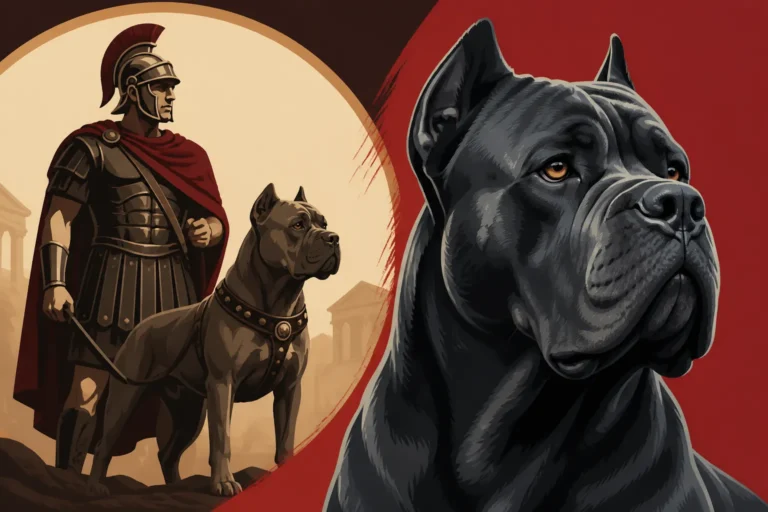
For centuries, the Cane Corso was an indispensable part of life in rural southern Italy, particularly in regions like Puglia. They weren't pets in the modern sense; they were working partners, bred for their intelligence, strength, and unwavering loyalty. These formidable dogs served as protectors of the "masseria," the fortified farmsteads common in the region, guarding livestock and property against predators and intruders. Imagine a time when wild boars were a genuine threat to crops and smaller animals—the Cane Corso was there, often in packs, helping to control these populations. They also played a vital role in droving, moving cattle with an impressive combination of power and control, a task that required both physical prowess and keen instincts. The Roman War Dog Behind the Cane Corso provides a deeper look into their ancient lineage.
Their presence was woven into the fabric of daily life, their existence intrinsically tied to the agricultural economy and the safety of the people they served. They weren't just guardians; they were companions through hard labor, embodying the rugged spirit of the Italian countryside. This deep integration meant that their survival depended heavily on the continuation of these traditional ways of life. When things changed, so did their prospects.
The Impact of Modernization and Conflict
The 20th century, however, brought a series of devastating blows that pushed the Cane Corso to the brink. The two World Wars ravaged Europe, and Italy was no exception. During these desperate times, feeding a large working dog became an impossible luxury for many families struggling to survive. Dogs were often culled, starved, or left to fend for themselves, with purebred lines suffering immensely. The focus shifted entirely to human survival, and the infrastructure that supported specialized working breeds crumbled.
Compounding the wartime devastation was the rapid mechanization of agriculture that followed. Tractors replaced oxen, and modern farming methods reduced the need for dogs to guard vast, open pastures or assist in driving cattle. The traditional "masseria" lifestyle began to fade, and with it, the specific job the Cane Corso was bred to do. Without a clear function, and with economic pressures mounting, many families simply could not afford to keep such a large animal. The breed, once ubiquitous in its native regions, quietly dwindled, becoming a rare sight even in the remotest villages. Why Mechanized Farming Ended the Cane Corso's Work illustrates how profoundly these changes impacted their numbers.
The Spark: Giovanni Bonnetti's 1976 Article
Amidst this quiet decline, a beacon of hope emerged, thanks to the vision and dedication of a few passionate individuals. It was a single article, published in 1976, that served as the urgent call to action the breed desperately needed.
A Call to Action: "The Cane Corso Rediscovered"
The year 1976 marked a turning point. Giovanni Bonnetti, an Italian author and passionate dog enthusiast, penned an article titled "Il Cane Corso Risorge" (The Cane Corso Rises Again) for a magazine. This isn't just any article; it was a revelation. Bonnetti wasn't merely describing a rare breed; he was issuing a plea, a rallying cry to save a national treasure that was on the verge of extinction. His words painted a vivid picture of the Cane Corso's historical significance, its incredible capabilities, and the tragic reality of its near disappearance.
The article detailed the breed's historical roles, its majestic appearance, and its exceptional temperament as a guardian and family protector. It brought to light the desperate situation, shocking many readers who had no idea that such an integral part of Italian heritage was fading away. For the first time in a long time, the wider public was made aware of the Cane Corso's plight, sparking widespread interest and concern among dog lovers, historians, and preservationists alike. It was a powerful, emotive piece that cut through the noise and demanded attention for these vanishing guardians.
Bonnetti's Vision and Influence
Giovanni Bonnetti was more than just a writer; he was a catalyst. His article wasn't simply an academic exercise; it was born from a deep personal conviction and a vision for the breed's future. He understood the profound loss that would occur if the Cane Corso disappeared, not just as a breed, but as a living piece of Italian history and culture. His influence was immense, as he not only raised awareness but also inspired others to join the search and preservation efforts.
Bonnetti envisioned a future where the Cane Corso, once again, thrived in its native land and beyond, a testament to its ancient lineage and working prowess. He championed the idea that the true Cane Corso was more than just a dog; it was a symbol of resilience and strength. Without his foresight and determination to publish this crucial piece, it's highly probable that the efforts to revive the breed would have started much later, or perhaps not at all, leaving a significant gap in the world of working dogs. His article, The 1976 Article That Started the Cane Corso Revival, literally set the wheels in motion.
The Search for the Surviving Dogs of Puglia
With Bonnetti's article as their guide and inspiration, a small but dedicated group of enthusiasts embarked on a monumental task: finding the last remaining Cane Corsos. This wasn't a simple trip to a local shelter; it was an archaeological expedition into living history.
Scouring the Remote Italian Countryside
The search was grueling and often disheartening. These passionate individuals, including people like Dr. Antonio Morsiani, Giancarlo Malavasi, and Stefano Gandolfi, dedicated themselves to traveling through the most remote, forgotten corners of southern Italy. Their journey took them deep into the rugged farmlands and isolated villages of regions like Puglia, Basilicata, and Campania, where traditional ways of life lingered longer than elsewhere. They literally knocked on farm doors, spoke with elderly farmers and shepherds, and followed every rumor and lead, no matter how faint. The Enthusiasts Who Searched Southern Italy for Cane Corsos beautifully details this incredible quest.
The people they met were often surprised that anyone would be interested in their "farm dog," a breed they knew simply as "the dog of the Corso" or "the guardian." Many of these dogs were living very primitive lives, working hard, and often without formal pedigrees or even specific names beyond their job description. It was a true treasure hunt, fraught with challenges, including language barriers, skepticism from locals, and the sheer difficulty of identifying a purebred animal from generations of mixed-breed working dogs. Every discovery was a victory, every confirmed Cane Corso a glimmer of hope.
Identifying and Evaluating the Foundational Stock
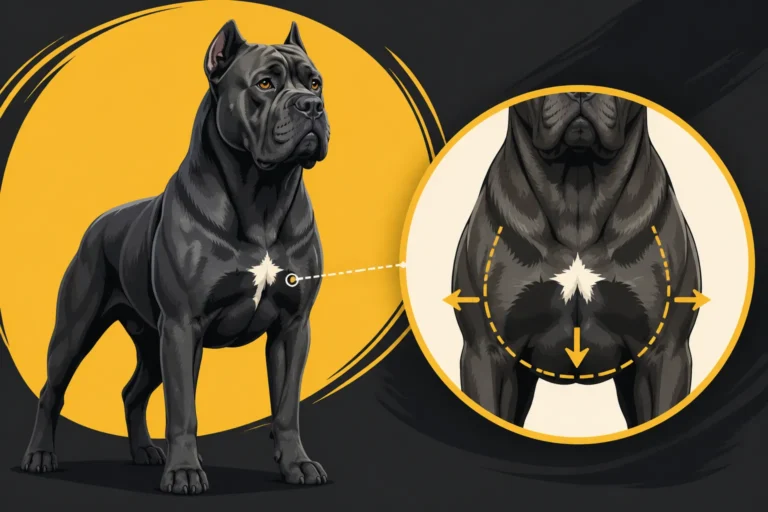
Once a potential Cane Corso was found, the real work of evaluation began. This wasn't just about finding any large dog; it was about finding dogs that embodied the true characteristics of the ancient Cane Corso. The enthusiasts had to rely on historical descriptions, their knowledge of canine anatomy, and, crucially, the testimonies of the old farmers who had known the breed for generations. They looked for specific physical traits: the distinctive head shape, the powerful musculature, the particular coat colors, and the general conformation described in historical texts.
Beyond appearance, temperament was paramount. They sought dogs with the innate guarding instinct, the calm demeanor, the loyalty to their families, and the working drive that defined the breed. These early evaluators had to distinguish true Cane Corsos from various local mastiff types or mixed-breed dogs that had similar appearances but lacked the essential genetic heritage and temperament. This meticulous selection process was critical to ensure that the foundation stock would genuinely represent the qualities of the original breed, setting the stage for a strong and authentic revival.
Building the Foundation: Early Breeding Efforts
With a small but precious pool of rediscovered dogs, the focus shifted from finding to breeding. This was a delicate and complex task, requiring careful planning and a deep understanding of genetics and breed standards, even as those standards were being solidified.
The First Dedicated Breeding Programs
The initial breeding programs were humble but driven by immense passion. Breeders like Dr. Antonio Morsiani, who eventually created the 'Dyrium' kennel, and others who joined the effort, took on the responsibility of pairing these rare dogs. They understood the enormous challenge of rebuilding a breed from such a limited genetic base. Each mating was carefully considered, with the goal of preserving desirable traits while trying to mitigate any potential genetic weaknesses that might emerge from a shallow gene pool. It wasn't about mass production; it was about thoughtful, strategic preservation. Giovanni Bonnetti and the Early Cane Corso Breeders highlights some of these foundational figures.
These early efforts were crucial for establishing the initial lines that would form the basis of the modern Cane Corso. Imagine the excitement and trepidation with each new litter, knowing that these puppies carried the hopes of an entire breed on their tiny shoulders. It required immense dedication, often involving significant personal sacrifice, as they housed, fed, and cared for these precious animals. Obtaining quality food and supplies for these growing giants wasn't as easy as ordering from Chewy back then; it was a constant challenge.
Establishing the "Cani Corsi" Type
As breeding progressed, the informal efforts began to coalesce into a more structured approach aimed at defining and standardizing the "Cani Corsi" type. The goal was to ensure that the breed, as it was revived, would be recognizable and consistent, adhering to the historical descriptions and the living examples found in the countryside. This involved intense discussion and debate among the enthusiasts about what constituted the ideal Cane Corso. They worked to create a breed standard, a written document that described the desired physical characteristics, temperament, and movement of the dog.
This standardization wasn't just about aesthetics; it was about preserving the functional attributes of the Cane Corso. They wanted to ensure the dog retained its working ability, its physical robustness, and its stable temperament. Through careful observation of successive generations, they refined their understanding and selection criteria, slowly shaping the breed towards the powerful, agile, and protective dog we recognize today. The First Cane Corso Litter Bred in the Revival was a monumental step, but it was just the beginning of this long journey of re-establishment.
The Società Amatori Cane Corso and Official Recognition
The individual efforts, no matter how dedicated, could only go so far. For the Cane Corso to truly rise again and secure its future, it needed formal organization and official recognition. This led to the formation of a dedicated breed club and a rigorous process to gain acceptance from national and international kennel clubs.
Forming a Dedicated Breed Club
The scattered efforts of passionate individuals needed a central coordinating body. In 1983, a group of enthusiasts, including many of those involved in the initial search and breeding, came together to form the Società Amatori Cane Corso (SACC), or the Society of Cane Corso Lovers. This was a critical step. The SACC provided a structured framework for the breed's preservation, overseeing breeding practices, maintaining a registry of dogs, and working towards the establishment of a formal breed standard. It brought legitimacy and organization to what had, until then, been a grassroots movement.
The SACC's formation was about more than just paperwork; it was about unity and shared purpose. It created a platform for breeders and owners to collaborate, share knowledge, and collectively guide the breed's development. This formalization was essential for ensuring consistency in breeding, ethical practices, and the long-term health and integrity of the Cane Corso. It cemented the commitment of many individuals to this magnificent animal, laying the groundwork for its future. The Founding of the Società Amatori Cane Corso in 1983 was a landmark event.
The Path to ENCI and FCI Recognition
With the SACC firmly established, the next significant hurdle was gaining official recognition from major canine organizations. The first step was seeking recognition from the Ente Nazionale della Cinofilia Italiana (ENCI), Italy's national kennel club. This involved presenting the breed standard, demonstrating a sufficient population of recognized dogs, and proving their genetic stability and distinct characteristics. It was a rigorous process, but the dedication of the SACC members paid off.
In 1994, ENCI officially recognized the Cane Corso as a distinct Italian breed. This was a monumental achievement, solidifying its place in canine history and providing a foundation for its international expansion. Following ENCI's recognition, the breed was then submitted to the Fédération Cynologique Internationale (FCI), the largest international canine organization. FCI recognition opened the doors for the Cane Corso to be shown and bred officially across numerous member countries worldwide. The 1994 ENCI Recognition of the Cane Corso was a moment of immense celebration for all who had worked tirelessly. This international acceptance paved the way for the breed's journey across the Atlantic, eventually leading to its recognition by the American Kennel Club. The 1988 Litter That Started American Cane Corsos marked its arrival in the US, and its eventual acceptance into the AKC Working Group signified its full global acknowledgment.
The journey from a vanishing breed to an internationally recognized one is a testament to the power of a single article and the unwavering commitment of a few dedicated individuals.
Comparing Cane Corso Status: Before and After the Revival Efforts
To truly grasp the impact of the 1976 article and the subsequent revival efforts, it's helpful to look at the stark differences in the Cane Corso's status before and after these pivotal moments.
| Feature | Before 1976 (Pre-Revival) | After Initial Revival Efforts (Post-1994 ENCI Recognition) |
|---|---|---|
| Population Status | Critically endangered, near extinction; few scattered dogs. | Numbers steadily increasing; recognized and actively bred. |
| Geographic Range | Confined mostly to remote rural areas of Southern Italy. | Spreading across Italy; introduced to Europe and North America. |
| Recognition | Unrecognized by national or international kennel clubs. | Officially recognized by ENCI (Italy) and FCI (International). |
| Breed Standard | No formal, unified standard; regional variations. | Formal, written breed standard established and upheld by SACC and ENCI. |
| Breeding Control | Haphazard, informal breeding based on local needs. | Organized, selective breeding programs adhering to the standard. |
| Documentation | No pedigrees, limited historical records. | Pedigree records, health clearances, and official registrations initiated. |
| Public Awareness | Largely unknown outside specific Italian farming communities. | Growing international awareness, subject of articles and breed clubs. |
| Purpose | Solely traditional working dog (guardian, drover, hunter). | Still a working dog, but also a family companion, show dog, and sport participant. |
| Availability | Extremely difficult to find, often by chance. | Available from dedicated breeders, though still relatively rare in some areas. |
This table clearly illustrates the dramatic shift the Cane Corso underwent, moving from the brink of oblivion to a position of recognized and valued heritage.
The Legacy of the Revival: Cane Corso Today
The legacy of the 1976 article and the subsequent revival efforts is evident in every Cane Corso we see today. It's a story of perseverance, passion, and the power of a collective effort to save a breed from disappearing into the annals of history.
From Obscurity to Global Presence
From a handful of dogs scrounged from the Italian countryside, the Cane Corso has blossomed into a globally recognized and admired breed. While still not as common as some other breeds, their distinct presence is now felt across continents. They participate in dog shows, excelling in conformation rings, and continue to serve as dedicated family guardians and working dogs, proving that their ancient instincts are still very much alive. Many modern owners find great joy in exploring various canine sports with their Corsos, from obedience to protection work, showcasing the breed's versatility.
The breed's journey isn't without its challenges. With increased popularity comes the responsibility to educate prospective owners about their needs, temperament, and health. Responsible breeders continue the work started by Bonnetti and his contemporaries, focusing on health testing, temperament, and adherence to the breed standard. Supplies for these magnificent animals, from large-breed food formulas to durable crates, are now readily available from retailers like Chewy, making responsible ownership more accessible than ever before. What a Cane Corso CHIC Number Actually Certifies speaks to the ongoing commitment to health.
The Importance of Preservation and Responsible Ownership
The story of the Cane Corso's revival serves as a powerful reminder of the importance of breed preservation. It underscores the fact that every breed has a history, a purpose, and a unique set of characteristics that make it special. Without dedicated individuals willing to put in the effort, many more breeds could face a similar fate to what the Cane Corso experienced. It's a call to action for all dog lovers to support ethical breeding practices and to cherish the distinct heritage of each breed.
For current and prospective Cane Corso owners, this history means understanding the profound responsibility that comes with owning such a dog. This isn't just any large breed; it's a dog with a deep history of guardianship and a powerful drive to protect. Responsible ownership means understanding their exercise needs, commitment to training, and extensive socialization. Why a Cane Corso Is Not a First Dog and The Handler a Cane Corso Respects delve into these critical aspects. Knowing their history helps owners appreciate their Cane Corso's instincts, respect their needs, and honor the incredible journey they took from near extinction to thriving status.
Disclaimer
This article is for general informational purposes only and does not constitute professional advice. Laws, prices and regulations vary by location and change over time. Consult a qualified professional for guidance on your specific situation.