The Enthusiasts Who Searched Southern Italy for Cane Corsos
It's easy to look at the powerful, confident Cane Corso of today and assume they've always been around, a constant fixture in the dog world. But the truth is far more precarious: this magnificent breed faced near extinction, teetering on the edge of disappearing forever. This guide will take you through the incredible, often challenging, journey undertaken by a handful of dedicated enthusiasts who scoured the remote corners of Southern Italy to bring the Cane Corso back from oblivion, ensuring their legacy continues.
A Breed on the Brink: The Cane Corso's Near Extinction
Imagine a time when the very dogs we cherish today, with their undeniable presence and ancient lineage, were almost gone. This wasn't some distant historical event, but a reality for the Cane Corso in the mid-20th century. Their numbers had dwindled to such an alarming degree that many feared they would vanish entirely, leaving behind only legends and old photographs. Understanding how they got to this point is crucial to appreciating the immense efforts of those who saved them.
The Shifting Sands of Rural Italy
For centuries, the Cane Corso was an integral part of life in rural Southern Italy, particularly in regions like Puglia. They were the farmer's right-hand dog, performing a multitude of demanding tasks. These were not just pets; they were essential working partners. They guarded property, protected livestock from wolves and rustlers, and even drove cattle to market. The Farm Job the Cane Corso Was Kept For was a critical one, often involving immense physical strength and keen intelligence. Their existence was intrinsically tied to the agricultural lifestyle and the isolated, self-sufficient communities they served.
However, as Italy modernized and underwent significant societal changes, the traditional roles of these working dogs began to disappear. Industrialization meant fewer large farms, mechanized agriculture reduced the need for cattle-driving dogs, and the traditional way of life that nurtured the Cane Corso started to crumble. Younger generations moved to cities, leaving behind the old ways and, often, the old dogs. The economic landscape simply didn't support large, working breeds in the same way it once had, and without a purpose, their numbers naturally declined.
The Silent Disappearance of a Working Legend
The devastation of World War II only exacerbated the Cane Corso's plight. War brought widespread destruction, poverty, and famine to Italy. Resources were scarce, and feeding large dogs became an impossible luxury for many families struggling to survive. Dogs were lost, killed, or simply left to fend for themselves. This period was a dark chapter for many indigenous European breeds, and the Cane Corso was no exception. How the Cane Corso Nearly Disappeared After the War is a stark reminder of how quickly a breed can vanish under such immense pressure.
With their traditional work fading and the aftermath of war crippling the rural economy, the Cane Corso quietly faded into obscurity. There was no organized effort to preserve them, no breed club to track their numbers, and no widespread public awareness of their diminishing presence. They simply existed in isolated pockets, fragmented remnants of a once-thriving population, largely unseen and uncounted by the wider world. It was a silent disappearance, happening without fanfare, making their eventual rediscovery all the more miraculous.
The Untiring Quest: Searching for the Last Cane Corsos
The turning point for the Cane Corso came through the passion and sheer willpower of a few individuals who refused to let this ancient breed fade into history. Their quest wasn't easy; it involved extensive travel, detective work, and an unwavering belief in the breed's worth. This was truly a mission of love, undertaken by those who saw beyond the dwindling numbers and recognized the invaluable genetic and historical treasure that remained.
Paolo Breber's Initial Awakening
One name stands out above all others in the story of the Cane Corso's revival: Paolo Breber. A keen dog enthusiast and an expert in cynology, Breber became aware of stories and legends of a powerful, indigenous Italian Molosser that was said to still exist in the southern regions. He read historical accounts and heard whispers from older generations about these incredible "Cane Corsos" – a name that means "bodyguard dog" or "estate dog" in Italian, hinting at their ancient role. What Cane Corso Means in Italian captures the essence of their purpose.
In the mid-1970s, Breber took it upon himself to investigate these tales. He published an article in 1976, essentially putting out a call to action, asking if anyone had seen or knew of these dogs. The 1976 Article That Started the Cane Corso Revival served as a beacon for others who shared his interest and concern. This simple article ignited a spark, drawing attention to a breed that had almost been forgotten, and began the arduous process of connecting fragmented knowledge and isolated populations.
The Dangerous Journeys Through the Italian Countryside
Following leads from his article and word-of-mouth, Breber, along with other emerging enthusiasts like Dr. Giovanni Bonnetti and Stefano Gandolfi, embarked on a series of expeditions into the most remote parts of Southern Italy. These weren't casual drives; they were often challenging, sometimes dangerous, journeys into areas where modernity had barely touched. They traveled through mountainous terrain, across rural landscapes, and into forgotten villages, seeking out any dog that resembled the descriptions of the historical Cane Corso.
Imagine the dedication: driving countless miles, speaking to farmers and shepherds, poring over old family photos, and often facing skepticism or misunderstanding from locals who simply saw their dogs as functional working animals, not remnants of a prestigious breed. They were literally searching for needles in haystacks, trying to identify dogs that possessed the correct physical characteristics and temperament that aligned with the ancient type. These were the true "dogs of Puglia," The Dogs of Puglia That Rebuilt the Breed, the surviving examples that would form the foundation of the modern breed. Each dog found was a small victory, a precious piece of a puzzle slowly being reassembled.
Forging a Future: The Founding Fathers of the Modern Cane Corso
Finding the surviving dogs was only the first step. The real work then began: a meticulous process of documentation, standardization, and careful breeding to ensure the future of the Cane Corso. This required immense collaboration, a shared vision, and a deep understanding of genetics and breed preservation. The individuals involved were not just dog lovers; they were historians, geneticists, and visionaries, all rolled into one.
From Isolated Dogs to a Unified Vision
Once a number of suitable foundation dogs were identified and brought together, the enthusiasts faced a new challenge: how to unify these diverse dogs from various isolated lines into a cohesive breed. These dogs, while sharing common ancestry, had naturally diverged slightly due to regional isolation and differing working demands. The solution was the formation of a dedicated organization.
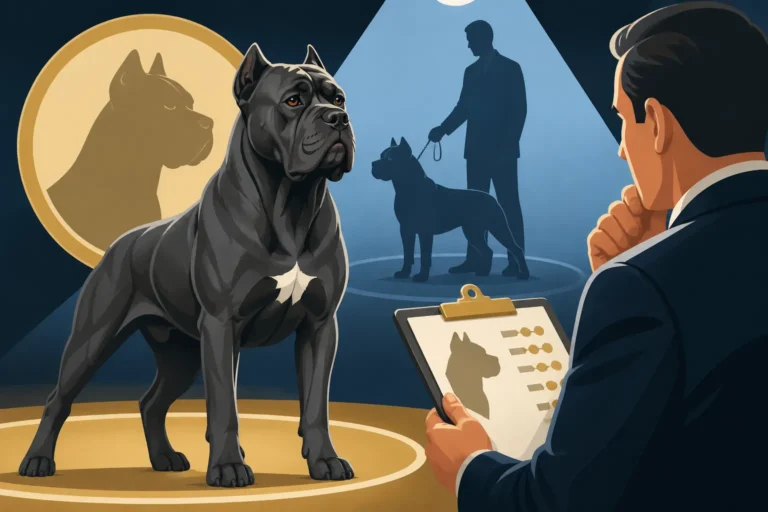
In 1983, the Società Amatori Cane Corso (SACC) was officially founded. The Founding of the Società Amatori Cane Corso in 1983 marked a pivotal moment. This organization became the driving force behind the breed's recovery, bringing together breeders, veterinarians, and enthusiasts under a common goal. They began the painstaking process of creating a breed standard, which is essentially a blueprint describing the ideal physical characteristics and temperament of the Cane Corso. This standard would guide all future breeding decisions, ensuring consistency and preserving the true essence of the breed.
Laying the Groundwork for the Breed Standard
Developing a breed standard is a complex undertaking. It requires careful observation of the existing dogs, historical research into the breed's original purpose, and agreement among experts on which traits are most desirable and characteristic. They studied photographs, consulted old texts, and evaluated every dog they found, often making difficult decisions about which animals best represented the historical type. This wasn't about creating a new dog; it was about defining and restoring an ancient one.
The standard they developed covered everything from the ideal height and weight to the specific head shape, bite, coat color, and temperament. It emphasized the Cane Corso's powerful yet athletic build, its distinctive head, and its inherent guarding instincts. What the Standard Says a Cane Corso Should Look Like became the guiding document for all future breeding efforts. Without this detailed framework, the breed could have easily fragmented again or been diluted by inappropriate crosses. Their work ensured that the Cane Corso, as we know it today, maintained its unique identity and characteristics.
The Living Legacy: What These Enthusiasts Gave Us
The tireless efforts of Paolo Breber and the other dedicated individuals didn't just save a breed; they gifted the world with a magnificent companion, guardian, and working dog. Their legacy is evident in every well-bred Cane Corso living today, a testament to what passion and perseverance can achieve. But the work doesn't stop there; it's a continuous commitment for every Cane Corso owner.
The Spread of the Cane Corso Beyond Italy
Once the breed was stabilized and recognized in Italy by the Ente Nazionale della Cinofilia Italiana (ENCI) in 1994, The 1994 ENCI Recognition of the Cane Corso, its reputation began to spread. Enthusiasts in other countries, particularly in the United States, became intrigued by this powerful and ancient Molosser. Soon, Cane Corsos were being imported, and American breeders began their own programs, diligently working to uphold the standards established by the Italian pioneers.
The journey to international recognition, including by organizations like the American Kennel Club (AKC), was a long one, but it was built on the foundation laid by those early Italian enthusiasts. Today, the Cane Corso is a recognized and admired breed worldwide, a far cry from its near-extinct status. This global presence means that more people than ever can experience the unique companionship and protective nature of these incredible dogs, a direct result of that initial rescue mission.
Honoring the Past Through Responsible Ownership Today
For us, as modern Cane Corso owners, understanding this history isn't just a fascinating anecdote; it's a responsibility. The fact that the breed almost disappeared should instill in us a profound sense of stewardship. Responsible ownership means understanding their specific needs, which include significant training and socialization, consistent exercise, and appropriate nutrition. Whether you're stocking up on high-quality kibble from Chewy or researching the best joint supplements, remember the journey this breed has taken.
It also means prioritizing health testing. The early enthusiasts didn't just want any Cane Corso; they wanted healthy, sound Cane Corsos that could fulfill their original roles. Today, health clearances for hips, elbows, heart, and eyes are crucial. What 500 to 1,500 in Testing Buys Per Cane Corso Parent highlights the investment needed to ensure a healthy future for the breed. Additionally, providing The Structure a Cane Corso Needs Every Single Day is essential, honoring their working heritage and ensuring they thrive in our modern homes. The living legacy of those dedicated Italians is in our hands, and it's our duty to continue their work by raising healthy, well-adjusted, and ambassador-worthy Cane Corsos.
Disclaimer
This article is for general informational purposes only and does not constitute professional advice. Laws, prices and regulations vary by location and change over time. Consult a qualified professional for guidance on your specific situation.