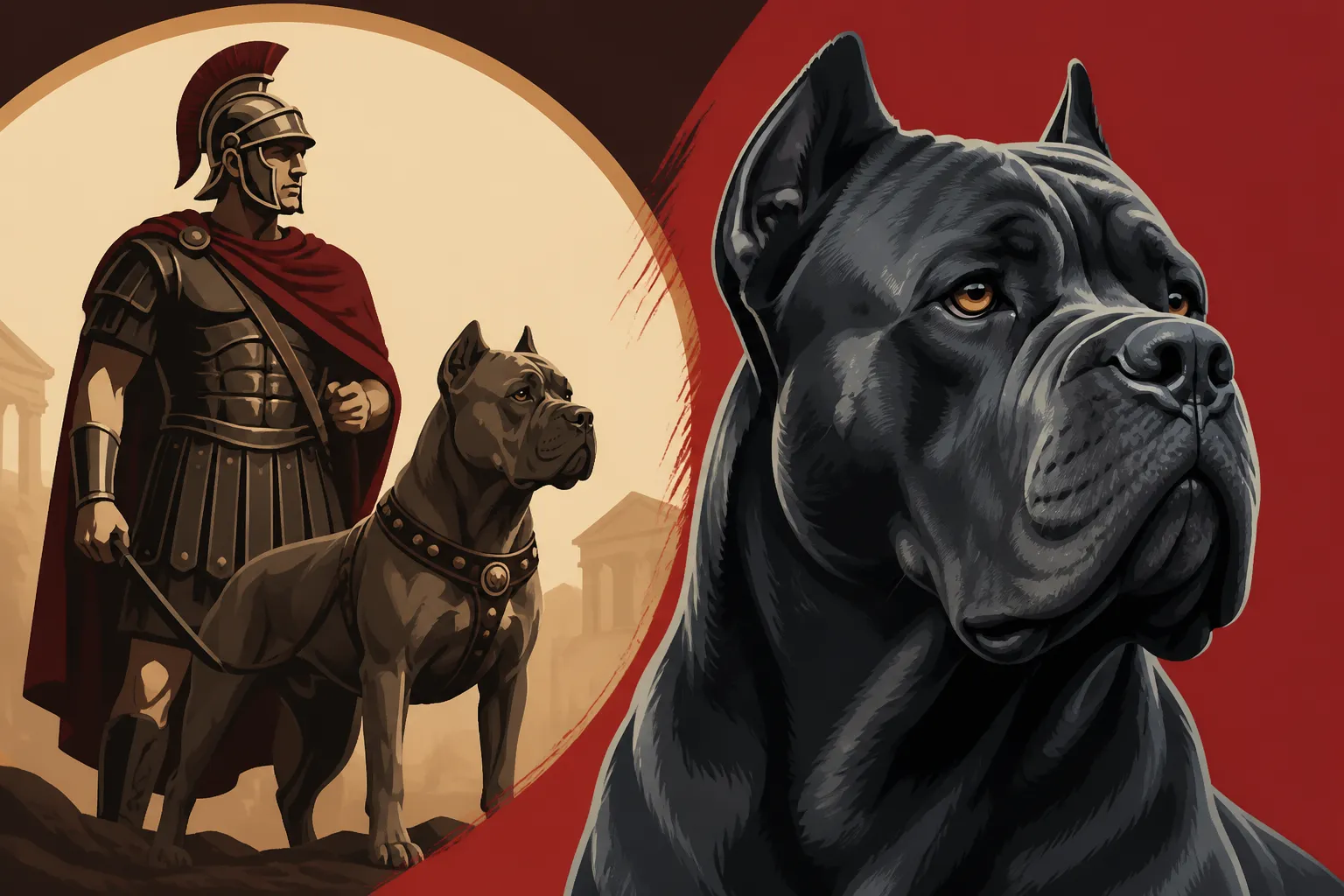
The Roman War Dog Behind the Cane Corso
Many people hear "Cane Corso" and immediately envision an ancient Roman war dog, charging into battle with gladiators, a fierce, almost mythical beast. While this image is certainly captivating and speaks to the breed's powerful presence, it often paints an incomplete, and frankly, a bit misleading picture of the Cane Corso's true historical role and temperament. This comprehensive guide will peel back the layers of romanticized history to reveal the nuanced truth of this magnificent Italian mastiff, exploring its actual ancestry and the vital working roles it truly excelled at for centuries.
Unpacking the Myth of the "Roman War Dog"
The idea of the Cane Corso as primarily a "Roman War Dog" is deeply ingrained in popular culture, often perpetuated by dramatic imagery and sensationalized stories. It conjures up visions of massive dogs clad in armor, tearing through enemy lines on ancient battlefields. While the Romans certainly utilized dogs in warfare, and their "Molossian" type dogs were formidable, it's crucial to understand the historical context and how closely it truly aligns with the specific breed we know today as the Cane Corso.
The Canis Pugnax and Ancient Rome's Dogs
When we talk about Roman war dogs, the term Canis Pugnax often comes up. This Latin phrase translates roughly to "fighting dog" or "pugnacious dog," and it was a broad classification for large, robust dogs used by the Romans, rather than a specific breed with a defined standard like we have today. These dogs were descendants of ancient Molossers, a type of large, heavily built dog believed to have originated in the region of Molossia (modern-day Epirus) in ancient Greece. These dogs were known for their guarding abilities, strength, and intimidating presence.
The Romans acquired these Molossian dogs through trade, conquest, and breeding programs, adapting them for various purposes. They were indeed imposing animals, likely resembling mastiff-type dogs, and were valued for their physical prowess. However, to directly equate the Canis Pugnax with the modern Cane Corso is an oversimplification. The lineage is certainly there, a shared ancestry of powerful working dogs, but the continuous, unbroken breed line we sometimes imagine is a romanticized notion. It's more accurate to say the Cane Corso descends from these ancient types, rather than being a direct, unchanged replica of a specific Roman war dog breed. If you're curious to dive deeper into this historical connection, you might find The Roman Molossers the Cane Corso Descends From an interesting read.
How War Dogs Were Actually Used
While the notion of dogs charging into direct combat alongside legions is dramatic, the practical application of dogs in Roman warfare was often more strategic and varied. They weren't typically front-line fighters in the same way human soldiers were, but served crucial support roles. Large, fierce dogs could be used to disrupt enemy formations, create chaos, or guard camps and outposts. Imagine a Roman camp at night, guarded by a pack of these powerful dogs; their keen senses and intimidating presence would have been an excellent deterrent against nocturnal raids.
Sometimes, dogs were employed as psychological warfare, especially against less organized or less prepared adversaries. The sheer terror of a large, snarling dog rushing towards you, even if not armored, could break morale and cause confusion. However, deploying dogs directly into pitched battles against disciplined, armed legions would have been incredibly risky and often counterproductive. Dogs, no matter how formidable, are vulnerable to spears, arrows, and organized attacks. Their primary utility was more often in guarding, tracking, and as a formidable presence, rather than a main offensive weapon.
The Reality vs. The Romanticized Image
The romanticized image of the "Roman War Dog" is a powerful one, but the reality for the Cane Corso is far more grounded in practical, everyday work. While its ancestors might have occasionally been involved in military roles, the Cane Corso, as it developed over centuries in Italy, was fundamentally a utilitarian farm dog. It was bred for its intelligence, protective instincts, and versatility in managing livestock and property, not primarily for human-on-human combat.
This distinction is important because it influences our understanding of the breed's core temperament. A dog bred solely for warfare might be expected to be indiscriminately aggressive. The Cane Corso, however, was selectively bred for discernment: to know when to engage a threat and when to be calm and watchful with its human family and livestock. This inherent balance is what makes the Cane Corso such a unique and capable guardian today. It possesses the power of its ancient ancestors, but it channels that power through a refined instinct for loyalty and protection of its "flock"—be that sheep, cattle, or its human family.
The True Ancestry: A Working Dog, Not a Warrior
Beyond the exciting tales of Roman legions, the true history of the Cane Corso lies in the sun-drenched, rugged landscapes of Southern Italy. Here, for centuries, the breed was indispensable to farmers and landowners, a multi-purpose working dog that earned its keep through sheer capability and unwavering devotion.
From Ancient Molossers to Italian Farms
The descendants of the ancient Molossian dogs didn't just disappear after the Roman Empire's decline; they adapted and evolved within the various regions of Italy. In the more isolated, agricultural areas of Southern Italy, particularly Puglia and Basilicata, these large, mastiff-type dogs found a new purpose. They weren't just big, strong dogs; they were selectively bred for specific traits that were vital to the survival and prosperity of farming families.
These dogs needed to be hardy, intelligent, and capable of operating semi-independently. They lived closely with their human families, but also spent significant time ranging across properties, protecting flocks, and deterring predators. This environment shaped the Cane Corso into the resilient, adaptable dog we know. It wasn't about gladiator fights or charging enemy lines; it was about protecting the livelihood of a family against two-legged and four-legged threats, day in and day out. This constant, demanding work refined their instincts and ensured only the most capable dogs passed on their genes.
The Cane Corso's Role on the Masseria
To truly understand the Cane Corso, you have to picture the masseria, the traditional fortified farmhouses and estates common in Southern Italy. These were not just homes, but self-sufficient agricultural hubs, often isolated and vulnerable to bandits and wild animals. The Cane Corso was the heart of the masseria's defense system. It was the protector of the home, the livestock, and the family within. Guarding the Masseria in Southern Italy goes into great detail about this specific role.
Their duties were incredibly diverse. During the day, they would accompany shepherds, keeping watch over sheep and cattle. They were powerful enough to deter wolves or even bears, and alert enough to notice any unfamiliar presence. At night, they patrolled the perimeter, their deep bark a warning to any would-be intruders. They were not simply guard dogs; they were integral members of the farm's workforce, relied upon for their keen senses, courage, and discernment. They needed to distinguish between a welcomed visitor and a genuine threat, a trait that remains crucial in the modern Cane Corso.
Guarding, Hunting, and Driving Livestock
Beyond pure guarding, the Cane Corso's versatility was truly remarkable. They were adept at various tasks essential to rural life:
- Driving Livestock: Cane Corsos weren't traditional herders like Border Collies, but they were powerful droving dogs. They could move cattle, pigs, and sheep with authority, pushing them along to new pastures or to market. Their sheer size and presence were often enough to get stubborn animals moving, making them invaluable for managing large, sometimes unruly, herds. This required a certain level of controlled aggression and immense physical strength.
- Hunting Wild Boar: In many parts of Italy, wild boar were a significant problem for crops and livestock. Cane Corsos were used in boar hunts, not as primary trackers, but as "catch dogs." Their power, grip, and fearlessness made them ideal for holding a large, dangerous boar at bay until the hunters could arrive. This was an incredibly dangerous job, requiring immense courage and physical fortitude. The historical use in Hunting Wild Boar With Cane Corsos really highlights their bravery.
- Personal Protection: Naturally, a dog capable of confronting wild boar or moving a herd of cattle was also an excellent personal protector. They would walk alongside their owners, providing a visible deterrent and a reliable defense against any threat encountered on isolated roads or in bustling markets. This close working relationship fostered a deep bond and an intuitive understanding between dog and owner.
This multifaceted working history is far more defining for the Cane Corso than any brief stint as a "war dog." It speaks to their intelligence, their adaptability, and their profound loyalty to their human partners.
| Feature | "Roman War Dog" Myth | Historical Cane Corso Reality |
|---|---|---|
| Primary Role | Charging into human battles, offensive weapon. | Guarding masseria, protecting livestock, hunting boar, droving. |
| Environment | Battlefields, military camps. | Rural Italian farms, fields, and woodlands. |
| Key Traits | Pure aggression, fearlessness in direct combat. | Discernment, loyalty, physical strength, trainability, adaptability. |
| Human Interaction | Expendable tool of war. | Valued working partner, integral family member, protector of livelihood. |
| Historical Period | Primarily Ancient Roman era. | Centuries of development from Roman times up to modern era. |
| Breeding Focus | Strength, ferocity for military use. | Intelligence, protective instinct, health for demanding farm work. |
Geographical Roots and Regional Variations
The story of the Cane Corso is intrinsically linked to the specific geography and culture of Southern Italy. This isn't a breed that emerged uniformly across the entire peninsula, but rather solidified its identity in particular regions, shaped by the needs and resources of local communities.
The Southern Italian Connection
The heartland of the Cane Corso is undeniably Southern Italy, specifically the regions of Puglia, Basilicata, and Calabria. These areas were historically agricultural, often poorer, and more isolated than the urbanized north. Farmers here couldn't afford specialized breeds for every task; they needed one dog that could do it all. This necessity bred the versatile, robust nature of the Cane Corso. The rugged terrain, the need for self-sufficiency, and the presence of both human and animal threats created the perfect environment for a powerful, intelligent, and protective dog to thrive.
The Cane Corso wasn't just a pet; it was an essential part of the family economy. Its ability to guard property, move livestock, and deter predators directly contributed to the family's survival. This practical role meant that breeding was focused on utility and temperament, favoring dogs that were healthy, strong, and possessed the right balance of courage and discernment. The breed remained relatively unknown outside of these regions for centuries, a testament to its deep roots in the local culture and its functional purpose within these communities.
Differences from the Neapolitan Mastiff
It's easy to confuse the Cane Corso with another famous Italian guardian breed, the Neapolitan Mastiff, as both share ancient Molossian ancestry and hail from Italy. However, they represent distinct branches of this lineage, shaped by different regional needs and breeding focuses.
The Neapolitan Mastiff, often referred to as the "Neo," is typically much larger, heavier, and characterized by its extensive loose skin and abundant wrinkles. Its temperament is generally more sedate and ponderous, primarily suited for guarding property with a formidable presence and deep bark. They are impressive deterrents by sheer mass alone.
The Cane Corso, by contrast, is a more athletic, agile, and leaner dog. While still large and powerful, it has less loose skin and a more defined, muscular physique, reflecting its active working roles that required speed and endurance. The Cane Corso was bred to be a dynamic protector – capable of engaging a threat directly if necessary, but also agile enough to move quickly across a field or drive livestock. Their build and temperament indicate a dog designed for action and versatility, as opposed to the more static, intimidating presence of the Neapolitan Mastiff. Understanding The Cane Corso Against the Neapolitan Mastiff can shed more light on these differences.
The Dogs of Puglia and Their Importance
Puglia, the "heel" of Italy's boot, played an exceptionally significant role in the preservation and eventual revival of the Cane Corso. This region, with its vast agricultural lands and isolated masseria, was one of the last strongholds where the pure form of the Cane Corso continued to exist and work in its traditional capacity. As modern life slowly crept into Italy, many of the old working breeds began to decline, their traditional roles replaced by technology.
However, in Puglia, pockets of dedicated farmers continued to breed and utilize these dogs, maintaining the ancestral lines. These "dogs of Puglia" became the crucial genetic reservoir from which the breed would eventually be re-established. Without these enduring lines, scattered across the Puglian countryside, the Cane Corso might have been lost to history. The tireless efforts of later enthusiasts to seek out and gather these remaining dogs underscore the vital importance of Puglia in the breed's survival. You can learn more about this incredible feat in The Dogs of Puglia That Rebuilt the Breed.
The Near Extinction and Resurgence
Like many working breeds, the Cane Corso faced a severe decline in the 20th century. However, thanks to the passionate dedication of a few individuals, this magnificent breed was pulled back from the brink of extinction.
Post-War Decline and Mechanization
The mid-20th century, particularly after World War II, brought profound changes to Italy that directly impacted the Cane Corso. The war itself devastated rural areas, leading to poverty and disruption that made keeping large working dogs a luxury many could no longer afford. Furthermore, the post-war economic boom brought increasing mechanization to agriculture. Tractors replaced working animals, and modern farming techniques reduced the need for dogs to drive livestock or guard vast properties.
As rural populations migrated to cities for work, the traditional masseria began to fade, and with them, the specific roles the Cane Corso had excelled at for centuries. Without a clear purpose, breeding dwindled, and the remaining dogs often interbred with other local dogs, diluting their pure lineage. By the 1970s, the Cane Corso was considered by many to be virtually extinct, existing only in scattered, isolated pockets in Southern Italy. This period of decline is a somber reminder of how quickly even a resilient breed can disappear when its traditional utility is lost. For a deeper understanding, Why Mechanized Farming Ended the Cane Corso's Work offers more context.
Paolo Breber and the Search for Remaining Dogs
The turning point for the Cane Corso came in the mid-1970s, largely due to the efforts of Dr. Paolo Breber, an Italian researcher and cynologist. Breber, concerned about the potential loss of this historic Italian breed, began a dedicated search for any remaining specimens. His quest took him to the remote farmlands of Southern Italy, particularly Puglia, where, as discussed, a few pure examples of the Cane Corso still existed, quietly fulfilling their traditional roles.
Breber's work was painstaking. He meticulously documented the dogs he found, assessing their physical characteristics and temperament against old descriptions and historical accounts. He sought out individuals who remembered the "old dogs" and understood their purpose. This wasn't just about finding dogs; it was about identifying the true essence of the breed that had survived generations. His groundbreaking 1976 article, which brought the Cane Corso to the attention of a wider audience, is often credited as the spark that ignited the breed's revival. The 1976 Article That Started the Cane Corso Revival details this pivotal moment.
The Società Amatori Cane Corso and Breed Consolidation
Following Breber's initial findings and the growing interest, a group of dedicated enthusiasts, including Dr. Breber, Stefano Gandolfi, and Giancarlo Malavasi, came together in 1983 to form the Società Amatori Cane Corso (SACC). This organization was crucial for the breed's official comeback. Their mission was clear: to consolidate the remaining dogs, establish a breeding program, define a modern breed standard, and work towards official recognition.
The SACC carefully selected foundation stock from the dogs identified in Southern Italy, focusing on those that best represented the historical characteristics and working abilities of the Cane Corso. They created careful breeding plans to increase the population while preserving genetic diversity and true breed type. This rigorous, often challenging, work laid the foundation for the Cane Corso we know today, transitioning it from a forgotten regional farm dog to a recognized international breed. The Founding of the Società Amatori Cane Corso in 1983 provides a deeper look into the formation and early work of the SACC.
From Farm Dog to Family Guardian: Modern Day Roles
With its remarkable history of guarding and working, it's no surprise the Cane Corso has found a significant role as a family guardian in the modern world. However, this transition comes with its own set of expectations and responsibilities for owners.
The Transition to Companion Animal
As the world changed and the traditional roles of the Cane Corso diminished, the breed began a new journey: that of a companion animal. This transition, while successful, is not without its challenges. A dog bred for centuries to be self-sufficient, highly protective, and physically capable requires a specific type of owner and environment to thrive as a family pet. They are not simply "big dogs" that can be treated like a Golden Retriever or a Labrador.
The Cane Corso's formidable presence and deep loyalty make them superb family protectors, but they need proper socialization and training from a young age to channel their instincts appropriately. They bond deeply with their families and often view themselves as guardians of their human "flock." This means they thrive in environments where they feel connected to their people, not left alone in a yard for extended periods. Their intelligence and desire to please their primary handler make them highly trainable, but consistency and clear leadership are paramount.
The Cane Corso as a Modern Protector
Today, the Cane Corso is often sought after for its protective instincts and imposing presence. Many families appreciate the sense of security a well-trained Cane Corso provides. They are naturally alert and observant, quick to notice anything out of the ordinary, and their deep bark alone is usually enough to deter most unwelcome visitors.
However, it's crucial to understand that their "guardian instinct" is not a switch that can simply be turned on or off. It's an inherent part of their nature that requires careful management and direction. An untrained or poorly socialized Cane Corso can be a liability rather than an asset. Responsible ownership means embracing and guiding this instinct, not suppressing it or allowing it to run wild. Their protection comes from their confidence, their loyalty, and their ability to assess situations, not from indiscriminate aggression. If you're considering a Cane Corso for this role, understanding What a Cane Corso's Guardian Instinct Actually Is is essential.
Temperament and Training Considerations
The temperament of a well-bred Cane Corso is generally described as intelligent, confident, assertive, and stable. They are deeply loyal to their families, often forming strong bonds, especially with the primary handler. With strangers, they tend to be reserved and observant, neither overly friendly nor immediately aggressive. This discerning nature is a direct reflection of their historical role as farm guardians who needed to assess threats rather than react impulsively.
Training a Cane Corso is not for the faint of heart, nor for first-time dog owners. They are powerful dogs, both physically and mentally, and require consistent, firm, and fair leadership from an early age. Positive reinforcement methods, combined with clear boundaries and expectations, work best. Early and extensive socialization is non-negotiable; exposing a Cane Corso puppy to a wide variety of people, places, sounds, and other calm, vaccinated dogs is vital to ensure they grow into well-adjusted adults. Without proper training and socialization, a Cane Corso can become dominant, fearful, or reactive, which, given their size and strength, can lead to serious problems. This is why Why a Cane Corso Is Not a First Dog is a critical read for potential owners.
Understanding the Breed Standard's Link to History
Every aspect of the modern Cane Corso breed standard, from its physical description to its desired character, is a direct echo of its working past. The standard isn't just an arbitrary list of traits; it's a blueprint for a functional, capable guardian and working dog.
Physical Traits Reflecting its Working Past
When you look at a well-bred Cane Corso, you're looking at centuries of selective breeding for a specific purpose. What the Standard Says a Cane Corso Should Look Like outlines these features in detail, but let's consider some key examples:
- Powerful, Muscular Build: The Cane Corso is a large, athletic dog with strong bone structure and well-developed muscles. This build isn't for show; it's for power, endurance, and agility. It's the physique needed to drive cattle, hold a wild boar, or confront a predator over varied terrain.
- Strong Head and Jaws: The broad head and powerful muzzle, often with a slight undershot bite, are designed for an incredibly strong grip. This was essential for holding livestock or prey without causing undue injury, and for deterring threats effectively.
- Deep Chest: A deep, well-sprung chest provides ample room for heart and lungs, allowing for sustained physical exertion. This was crucial for a dog that spent hours patrolling, working, and running.
- Short, Dense Coat: While not immediately obvious, the short, stiff, and dense coat offers protection from the elements without hindering movement. It's easy to maintain, practical for a working dog that might encounter burrs or mud, and helps regulate body temperature in both heat and cold.
These physical characteristics aren't just aesthetically pleasing; they are functional adaptations that allowed the Cane Corso to excel in its historical roles.
Character Traits: Alert, Confident, Balanced
The character section of the breed standard is arguably the most important, as it speaks directly to the dog's inner nature, which was honed by its working life. A desirable Cane Corso should be:
- Alert and Attentive: This reflects its role as a vigilant guardian, always aware of its surroundings, and quick to notice changes in its environment. A truly good Cane Corso is observant, taking everything in.
- Confident and Stable: A working guardian cannot be fearful or overly timid, nor can it be indiscriminately aggressive. It needs to possess immense self-assurance to face potential threats calmly and effectively. A confident dog is less likely to overreact.
- Balanced and Discernin g: This is the cornerstone of the Cane Corso temperament. They must be capable of intense protection when necessary, but equally capable of relaxing and being gentle with their family, including children and other accepted household members. This discernment—knowing when to act and when to hold back—is what differentiates a true guardian from a reckless aggressor.
- Loyal and Affectionate with Family: Despite their powerful exterior, Cane Corsos are known for their deep devotion to their families. They are often described as "velcro dogs" by their owners, wanting to be close to their people. This strong bond is what fuels their protective drive; they guard what they love.
These character traits are not merely preferences; they are functional requirements that made the Cane Corso an effective and trusted partner on the Italian masseria.
Preserving the Original Purpose
For responsible breeders and enthusiasts today, preserving the "original purpose" of the Cane Corso goes beyond just maintaining its looks. It means striving to maintain its working temperament, health, and structural integrity. This involves:
- Health Testing: Ensuring breeding stock is free from hereditary diseases common in large breeds, such as hip and elbow dysplasia, cardiac issues, and certain eye conditions. A healthy dog is a functional dog.
- Temperament Assessment: Evaluating breeding dogs not just on their appearance, but on their stable temperaments, confidence, and appropriate guardian instincts. A dog that is too fearful or too aggressive, even if physically perfect, is not true to the Cane Corso's historical purpose.
- Functional Structure: Breeding for a physique that is powerful yet agile, allowing the dog to move efficiently and perform strenuous tasks without undue strain. This is about soundness and athleticism, not just mass.
Modern Cane Corsos still excel in various working dog sports and activities, from obedience and protection sports like IGP, to tracking, scent work, and even therapy work. These activities help channel their natural drives and intelligence, honoring their heritage as versatile working dogs. Just remember to check out various vendors like Chewy for all your performance dog food needs.
Living with a Legacy: Is the Cane Corso Right for You?
Bringing a Cane Corso into your life is a significant decision, far more than simply getting a new pet. You are taking on a living legacy, a powerful and intelligent breed with a rich history of protection and partnership.
Commitment Required for a Powerful Breed
Owning a Cane Corso demands an exceptional level of commitment, time, and resources. These are not dogs for casual owners or those who are frequently absent. Their intelligence and protective instincts mean they require:
- Consistent Training: From puppyhood through adolescence and beyond, consistent training is non-negotiable. This means daily reinforcement of commands, manners, and boundaries. Without it, a Cane Corso can become unruly and difficult to manage due to their sheer size and strength.
- Extensive Socialization: A Cane Corso needs to be exposed to a vast array of people, places, sounds, and experiences in a positive, controlled manner. This helps them develop into confident, discerning adults rather than fearful or reactive ones. This is a lifelong process, not a one-time event.
- Adequate Exercise and Mental Stimulation: While Cane Corsos are not hyperactive, they are strong and athletic. They need regular, structured exercise, such as long walks, controlled playtime, or dog sports, to keep them physically and mentally healthy. A bored Cane Corso can quickly become a destructive Cane Corso.
- Financial Preparedness: These are large dogs, and everything that comes with them is larger too: food bills, vet bills, larger crates, and specialized training. You should be prepared for the financial commitment involved. You can often find bulk discounts on quality kibble and treats at places like Chewy.
- A Secure Environment: Due to their protective nature and size, a secure yard with appropriate fencing is essential. They need a safe space to patrol and exercise without the risk of escaping or confronting unwanted visitors.
The reward for this commitment is an incredibly loyal, devoted, and capable companion who will protect you fiercely. But it's a partnership that requires dedication from your side.
Researching Breeders and Health Testing
Given the breed's history and the challenges associated with owning such a powerful dog, choosing a reputable breeder is absolutely paramount. A good breeder prioritizes health, temperament, and adherence to the breed standard, not just quick sales or "rare" colors. When researching, look for breeders who:
- Conduct Comprehensive Health Testing: They should provide verifiable proof of health clearances for hips, elbows, heart, and eyes on both parent dogs. This helps minimize the risk of inheriting serious genetic conditions. The Cardiac Exam Behind a Cane Corso's Clearance and Hips and Elbows a Cane Corso Must Be Cleared On are vital topics to research here.
- Are Transparent About Temperament: They should be open about the temperaments of their breeding dogs and the puppies, matching puppies to appropriate homes based on lifestyle and experience.
- Provide Extensive Socialization: A good breeder starts socialization early, exposing puppies to various sounds, textures, and gentle handling.
- Offer Support and a Contract: They should be available to answer questions throughout the dog's life and provide a clear contract outlining health guarantees and return policies.
- Don't Sell to Just Anyone: Be prepared for a thorough vetting process; a responsible breeder will want to ensure their puppies go to suitable, committed homes.
Avoiding backyard breeders or puppy mills is crucial, as they often neglect health and temperament, leading to dogs with serious behavioral or health issues down the line.
Embracing the True History
Ultimately, understanding "The Roman War Dog Behind the Cane Corso" means recognizing that while its ancestors served various roles, the Cane Corso's enduring legacy is as a highly capable, intelligent, and discerning guardian rooted deeply in Italian agricultural life. It's a breed that embodies strength, loyalty, and a profound connection to its human family.
By embracing this true history, owners can better appreciate the Cane Corso for what it genuinely is: a magnificent working dog whose protective instincts and unwavering devotion make it an extraordinary companion, provided you are prepared to meet its unique needs with knowledge, respect, and unwavering commitment. This isn't just owning a dog; it's continuing a centuries-old partnership. For anything your Cane Corso needs, from specialized large breed food to durable toys, remember that retailers like Chewy often stock a wide range of suitable products.
Disclaimer
This article is for general informational purposes only and does not constitute professional advice. Laws, prices and regulations vary by location and change over time. Consult a qualified professional for guidance on your specific situation.