The Temperature a Black Cane Corso Should Not Walk In
It’s a heartbreaking reality that many large, dark-coated breeds, like our beloved Cane Corsos, are particularly vulnerable when the temperatures start to climb. Seeing your powerful, stoic companion struggle in the heat can be incredibly worrying, and knowing exactly when it's too hot to safely exercise them is crucial for their well-being. This guide is here to help you understand the risks, recognize the danger signs, and implement smart strategies to keep your black Cane Corso safe and comfortable even when the sun is beating down.
Why Black Coats and Large Breeds Face Greater Heat Risk
You might have heard that black cars get hotter in the sun, and the same principle, unfortunately, applies to our magnificent black Cane Corsos. Their stunning, dark coats are incredibly efficient at absorbing solar radiation, turning them into little heat sponges when they're exposed to direct sunlight. This isn't just a matter of feeling a bit warmer; it's a significant factor in how quickly their core body temperature can rise, making them much more susceptible to overheating than their lighter-coated counterparts. It's a fundamental physical reality that, while their sleek black coat is beautiful, it demands extra vigilance in warmer weather.
The Science Behind Dark Coats and Heat Absorption
Think about standing out in the summer sun wearing a black t-shirt versus a white one. The black fabric soaks up those rays, and you feel the heat almost immediately, right? The same thing happens with your Cane Corso's beautiful dark fur. Melanin, the pigment responsible for their rich black color, is a fantastic absorber of all wavelengths of light, including the infrared spectrum that carries heat. This means that direct sunlight will warm their fur and skin much faster than, say, a fawn or gray Cane Corso.
This isn't just anecdotal; it's basic physics. While all dogs regulate their temperature primarily through panting and through the pads of their feet, a black dog starts with a disadvantage because their external temperature can climb more rapidly. This absorbed heat then needs to be dissipated, putting extra strain on their internal cooling systems. For a dog that's already exerting itself during a walk or playtime, this extra burden can push them into dangerous territory very quickly. It's a reminder that beauty often comes with responsibility, and for our black Corsos, that means extra attention to their thermal comfort.
The Impact of Size and Structure on a Cane Corso's Heat Tolerance
Beyond coat color, a Cane Corso’s sheer size and formidable musculature also play a significant role in their heat tolerance. These are big, powerful dogs, and with great size comes a greater challenge in dissipating body heat. Their large muscle mass generates more heat during exercise, and their body surface area relative to their volume makes it harder to radiate that heat away efficiently. This is why Why a Black Cane Corso Overheats First is such an important topic for owners to understand.
Consider their deep chests, a hallmark of the breed. While excellent for lung capacity and stamina, it means a substantial core body mass that needs to be kept cool. Unlike smaller dogs who have more surface area relative to their volume, large breeds like the Cane Corso don't have that same advantage for convection and radiation of heat. When they're working hard, running, or even just walking briskly, their muscles are generating a lot of metabolic heat. If the external environment is also adding heat (from sun and high ambient temperatures), it creates a dangerous double whammy, leading to a much faster onset of overheating than you might see in a smaller, lighter-colored dog.
Identifying Dangerous Temperatures for Your Black Cane Corso
So, what’s the magic number? Unfortunately, there isn't a single universal temperature that applies to every dog, every day, in every situation. Factors like humidity, direct sun exposure, pavement temperature, your dog's activity level, and their individual health all play a role. However, we can establish some clear guidelines and red flags to help you make informed decisions about when to keep your black Cane Corso indoors. It’s always about being proactive and erring on the side of caution when it comes to their safety.
General Temperature Thresholds and Humidity Considerations
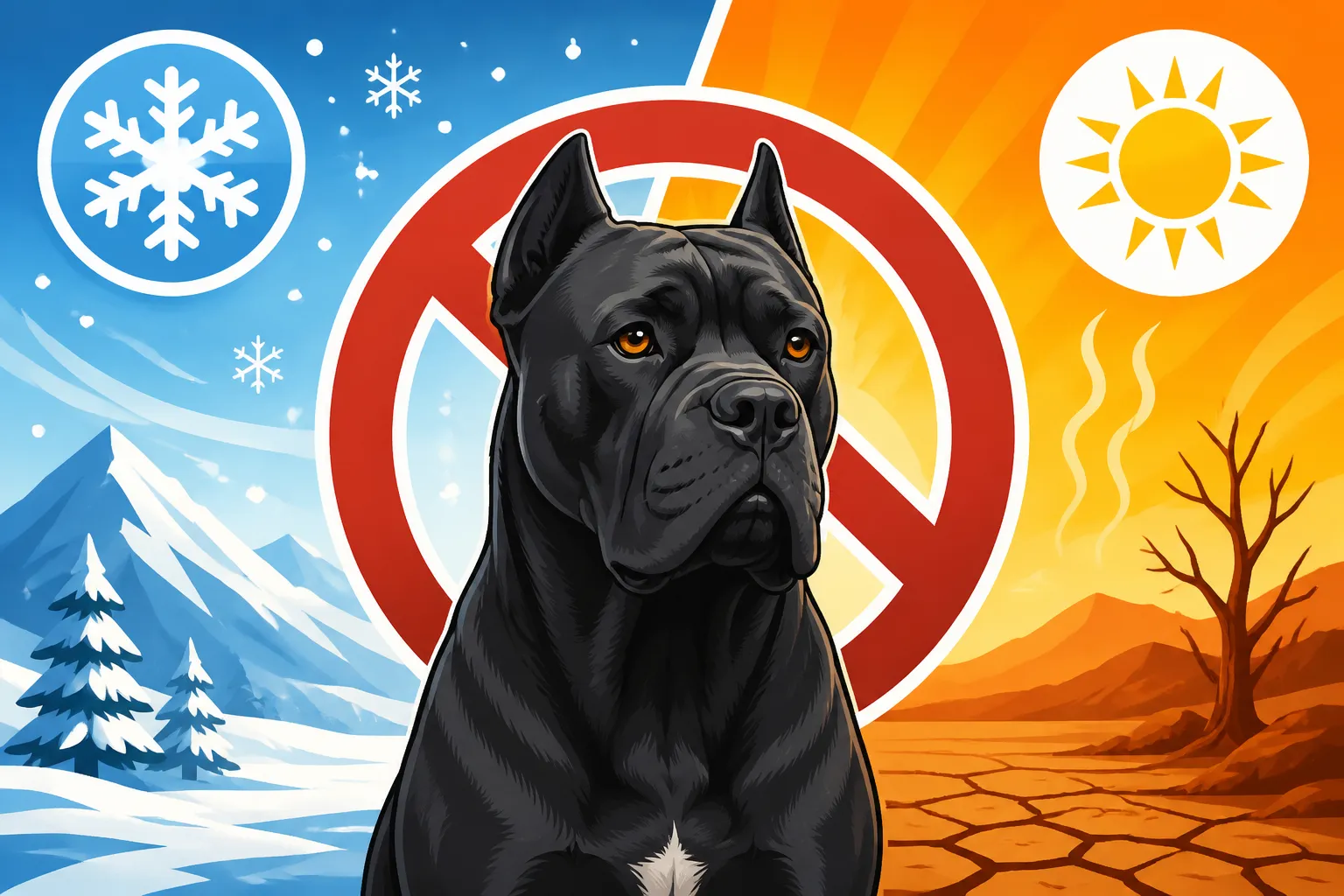
While every dog is an individual, generally speaking, once the ambient air temperature climbs above 75-80°F (24-27°C), you should start exercising extreme caution with a black Cane Corso. This threshold drops significantly if humidity levels are high. Humidity prevents your dog’s natural cooling mechanism – panting – from being as effective. When the air is already saturated with moisture, the evaporation of water from their breath (which carries away heat) is severely reduced. A 75°F day with 80% humidity can be far more dangerous than an 85°F day with low humidity.
I always tell people to think about the "heat index" for dogs too, even if there isn't a formal one. If it feels oppressive to you, it's definitely oppressive to your Cane Corso, especially a black one. On days like this, even a short, slow walk can be too much. We want our dogs to be active, but we need to choose our times wisely. For specific guidance on managing summer walks, you might find The Safe Hours to Walk a Cane Corso in August particularly helpful.
Here's a quick guide to help you gauge the risk:
| Ambient Temperature (F/C) | Humidity | Risk Level for Black Cane Corso (Active) | Recommendation |
|---|---|---|---|
| Below 60°F (15°C) | Low | Very Low | Normal activity. |
| 60-70°F (15-21°C) | Low | Low | Monitor for panting. Hydrate well. |
| 70-75°F (21-24°C) | Low | Moderate | Short walks, play in shade, frequent water breaks. Avoid peak sun. |
| 70-75°F (21-24°C) | High | High | Very short potty breaks only, ideally in shade. Limit all exertion. |
| 75-80°F (24-27°C) | Low | High | Limit outside time to urgent potty breaks. Stay in AC. |
| 75-80°F (24-27°C) | High | Extreme | No outdoor activity. Absolutely stay indoors with AC. |
| Above 80°F (27°C) | Any | Extreme | Absolutely no outdoor activity unless absolutely necessary for potty, then very brief. |
The Danger of Hot Pavement and Surfaces
Beyond the air temperature, we absolutely have to talk about pavement. Asphalt and concrete can heat up to dangerously high temperatures, far exceeding the ambient air temperature. On an 80°F day, asphalt can reach 130-150°F (54-65°C) or even higher. Imagine walking barefoot on that! Your Cane Corso’s paw pads are tough, but they are not impervious to such extreme heat. This can lead to painful burns, blistering, and an added source of heat absorption for their entire body.
A simple test you can do is to place the back of your hand on the pavement for five to seven seconds. If it's too hot for your hand, it's definitely too hot for your dog's paws. This rule applies even on slightly cooler days if the sun has been beating down on the asphalt. Concrete, while often a little cooler than asphalt, can still become dangerously hot. Always prioritize walking on grass, dirt trails, or shaded areas, and consider dog booties if outdoor walking is unavoidable on hot surfaces. Remember, these burns can be excruciating and take a long time to heal, so preventing them is key.
Recognizing the Signs of Overheating and Heatstroke
Even with the best intentions and careful planning, sometimes our dogs can still get too hot. It's vital as a Cane Corso owner to know the early signs of overheating and, more critically, the alarming indicators of heatstroke, which is a severe and life-threatening medical emergency. Being able to spot these signs quickly can literally save your dog's life. Don't ever hesitate to act or to call your vet if you suspect your dog is in distress.
Early Warning Signs of Overheating
Before full-blown heatstroke sets in, your Cane Corso will likely give you some subtle (and not-so-subtle) clues that they're getting too warm. Pay close attention to these indicators:
- Excessive Panting: This is the most obvious sign. While dogs pant to cool down, if it becomes rapid, heavy, and persistent, even after stopping activity, it's a red flag. Their breaths might become shallow and quick.
- Increased Drooling: Along with heavy panting, you'll often see a lot more drool than usual. It might be thick and stringy.
- Reddened Gums: Check their gums; if they appear brighter red than normal, it indicates increased blood flow as their body tries to cool.
- Struggling to Keep Up: Your dog might lag behind on walks, seem lethargic, or simply not want to play like they usually do.
- Seeking Shade or Water: An overheated dog will instinctively try to find cooler spots or drink excessive amounts of water.
- Restlessness or Discomfort: They might shift positions frequently, seem agitated, or just generally uncomfortable.
If you notice any of these signs, the immediate action is to stop all activity, get your dog into the shade or an air-conditioned space, and offer them cool (not ice cold) water. Begin cooling them down with wet towels. Cooling a Cane Corso After Hard Work provides excellent, actionable steps for these situations.
When Overheating Becomes a Life-Threatening Emergency
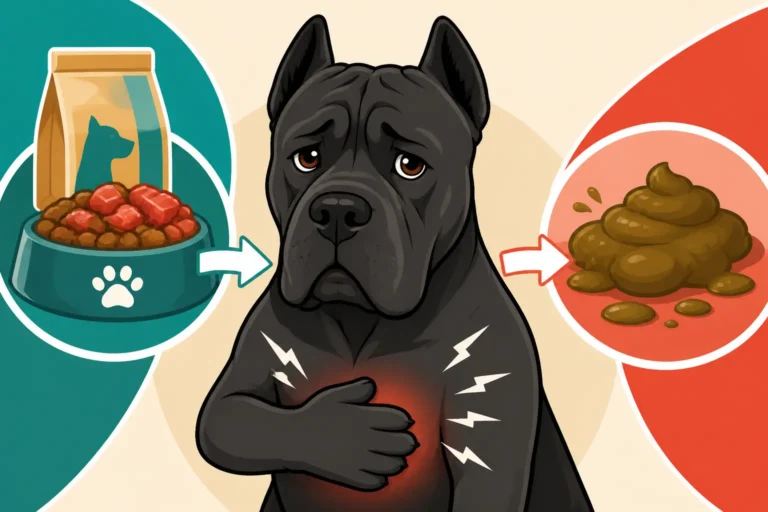
If the early signs are missed or ignored, overheating can quickly escalate into heatstroke, which is a critical emergency requiring immediate veterinary intervention. These symptoms are much more severe and indicate that your dog's internal organs are starting to be affected:
- Vomiting or Diarrhea: Often severe, and may contain blood.
- Dizziness or Disorientation: Your dog might stumble, stagger, or appear confused.
- Uncoordinated Movements: They might struggle to stand or walk straight.
- Collapse or Loss of Consciousness: This is a very grave sign.
- Seizures: A terrifying indicator that the brain is being severely impacted by the heat.
- Bright Red or Purple Gums and Tongue: This indicates shock and serious circulatory issues.
- Rapid Heart Rate: You might feel their heart pounding if you check their pulse.
- Thick, Sticky Saliva: Their drool might become very viscous.
If you see any of these signs, do not delay. This is a true emergency. Get your dog to the nearest emergency veterinary clinic immediately. While en route, you can try some basic cooling measures like applying cool, wet towels to their armpits, groin, and neck, but the priority is professional medical help. Every minute counts when dealing with heatstroke in a Cane Corso, and you'll find more information about this serious condition in Heat Stroke in a Working Cane Corso.
Proactive Measures to Keep Your Black Cane Corso Cool
Prevention is always better than cure, especially when it comes to the dangers of heat for your black Cane Corso. With a little planning and some smart adjustments to your routine, you can drastically reduce the risk of them overheating. It’s all about creating a safe, comfortable environment and being mindful of their unique needs as a large, dark-coated breed.
Adjusting Your Schedule and Environment
The easiest and most effective way to prevent overheating is to modify when and where you exercise your Cane Corso during warm weather.
- Walk During Cooler Hours: This means early mornings and late evenings. Avoid the midday sun and early afternoon, which are typically the hottest parts of the day. Even if the air temperature seems okay, the radiant heat from the sun can still be intense, especially for a black dog.
- Seek Shade: Whenever you are outside, aim for shaded routes. Woods, parks with mature trees, or the shady side of buildings can make a huge difference. Remember that the ground will also be cooler in the shade.
- Stay Indoors: On truly hot and humid days, keep your Cane Corso indoors, preferably in an air-conditioned environment. If you don't have AC, consider a cooling fan directly on them, or even visiting a friend or family member who does. For some dogs, this might mean that Whether a Cane Corso Should Live Outside is simply not a viable option, even if they have a kennel.
- Consider Indoor Activities: Mental stimulation is just as important as physical. Engage your Cane Corso with puzzle toys, training sessions indoors, or sniff games to burn energy without risking heatstroke. Brands like Chewy or Amazon offer a fantastic array of interactive toys perfect for indoor play.
Hydration and Cooling Gear
Keeping your Cane Corso well-hydrated and having access to appropriate cooling gear can make a significant impact on their comfort and safety.
- Constant Access to Fresh Water: This is non-negotiable. Always have a bowl of fresh, cool water available. If you're out, carry a portable water bottle and bowl. Consider adding a few ice cubes to their water bowl at home to keep it cool longer, or even a splash of low-sodium broth to encourage drinking.
- Cooling Vests and Bandanas: These items, often available from retailers like Chewy or Amazon, can be lifesavers. They work by evaporating water from the fabric, drawing heat away from your dog's body. Make sure they fit well and aren't too restrictive.
- Cooling Mats: For resting indoors or on a patio, a cooling mat can provide a welcome respite. These usually contain a gel that activates with pressure, staying cool for hours without refrigeration. You can find many options on Amazon.
- Wading Pools: If you have a yard, a shallow kiddie pool filled with a few inches of water can be a fantastic way for your Cane Corso to cool off their paws and belly. Supervise them, of course, and ensure the water isn't too deep.
- Frozen Treats: You can freeze KONG toys filled with peanut butter (xylitol-free!), yogurt, or even specialized frozen dog treats. This offers a cool snack and mental enrichment. Some owners even buy high-quality, easily digestible food from brands like Ollie and freeze portions into enrichment toys for a cool, tasty treat.
- Grooming: While a black Cane Corso has a short coat, regular brushing can help remove loose undercoat, which can trap heat. While The Cane Corso Coat That Sheds More Than You Expect discusses shedding generally, keeping the coat in good condition helps with overall heat regulation.
By being mindful of the weather, adjusting your routine, and utilizing available cooling aids, you can ensure your black Cane Corso stays happy and healthy, even when the mercury rises.
Disclaimer
This article is for general informational purposes only and does not constitute professional advice. Laws, prices and regulations vary by location and change over time. Consult a qualified professional for guidance on your specific situation.