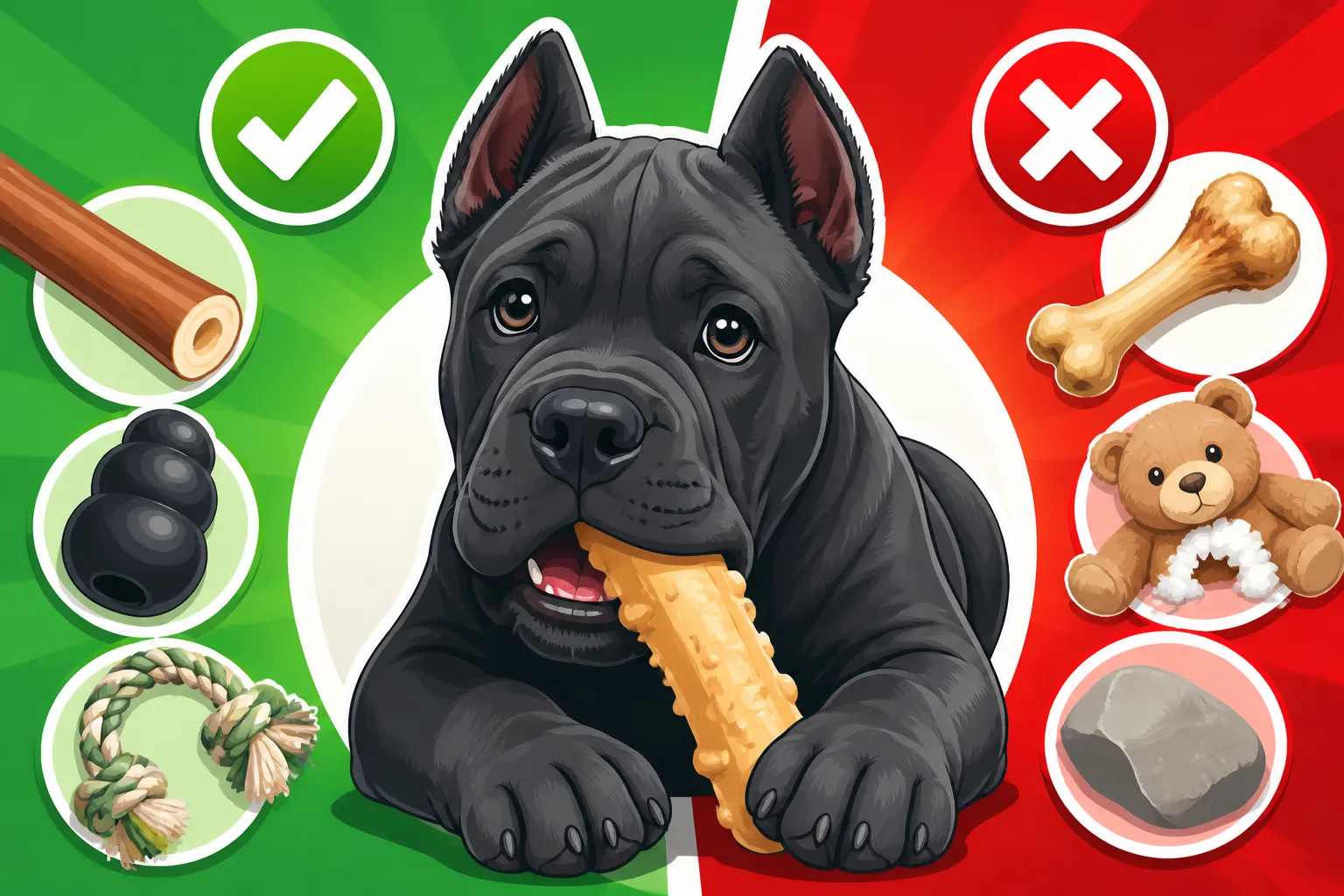
What a Teething Cane Corso Should Be Given to Chew
Oh, the joys of a Cane Corso puppy! They're adorable, goofy, and full of potential, but let's be honest: those tiny, needle-sharp teeth that eventually become powerful adult choppers can wreak absolute havoc on your home and your hands during the teething phase. It’s a rite of passage for every Cane Corso owner, a period marked by chewed furniture, destroyed shoes, and a constant search for something, anything, to satisfy that primal urge to gnaw. This guide is going to walk you through exactly what safe, appropriate, and satisfying chew options you should be giving your teething Cane Corso puppy to help them through this sometimes frustrating stage.
Understanding the Teething Process in Your Cane Corso Puppy
Before we dive into the best chew toys, it's crucial to understand what's actually happening inside your Cane Corso puppy's mouth. This isn't just about discomfort; it's a vital developmental stage that needs to be managed proactively to prevent destructive habits from forming.
When Teething Happens and What to Expect
Your Cane Corso puppy is born without teeth, but those tiny "milk teeth" (deciduous teeth) start erupting around 3-4 weeks of age. By 6-8 weeks, they usually have a full set of 28 puppy teeth. This is when the real fun begins. Between 3 and 6 months of age, those puppy teeth start falling out, making way for 42 permanent adult teeth. It’s like a tiny, furry demolition crew setting up shop in your living room.
During this period, your puppy's gums can become incredibly sore and itchy. Imagine a constant dull ache, sometimes sharp pains, as teeth push through the gums and roots are reabsorbed. It’s no wonder they want to chew on everything. You might notice small spots of blood on their toys or on the floor, or even find a tiny tooth here and there. Their breath might also get a little funky as the gums are inflamed. This is all completely normal, but it’s a trying time for both puppy and owner. It's during these weeks that you might find your puppy getting particularly nippy, and it's important to remember that they're not trying to be naughty, they're simply trying to relieve discomfort. The Month a Cane Corso Puppy Stops Biting Hands is a key time for managing this behavior.
Why Chewing Is Non-Negotiable
Chewing isn't just a puppy preference; it's a biological imperative. For a Cane Corso, a breed known for its powerful jaws and protective instincts, chewing plays several critical roles:
- Pain Relief: The pressure of chewing helps to alleviate the discomfort and itchiness in their gums as new teeth emerge and old ones fall out. It’s like a baby chewing on a teether – it feels good to them.
- Exploration: Puppies use their mouths to explore the world. It’s how they learn about textures, shapes, and what’s safe (or not safe) to interact with. Providing appropriate chew items directs this natural curiosity away from your furniture.
- Jaw Strength and Dental Health: Chewing helps to strengthen their jaw muscles and can even aid in removing plaque and tartar buildup on adult teeth once they've fully erupted, contributing to good long-term dental hygiene.
- Mental Stimulation and Stress Relief: Chewing is a self-soothing behavior. It provides an outlet for excess energy and can help reduce anxiety or boredom, especially when you need to leave them alone for a bit. A bored Cane Corso can be a destructive Cane Corso, and providing appropriate outlets like a good chew can save your sanity and your belongings. The Damage a Bored Cane Corso Does Indoors can be truly impressive if they don't have suitable activities.
Safe and Effective Chew Options for Teething Cane Corsos
When choosing chews for your Cane Corso puppy, safety is paramount. You need items that are durable enough to withstand their growing jaw power without breaking into small pieces that could be swallowed, yet soft enough not to damage their developing teeth.
Durable Rubber and Nylon Chews
These are often the unsung heroes of the teething phase. They're designed for durability and provide a satisfying resistance that helps massage sore gums.
- KONG Chew Toys: These are classics for a reason. The original KONG is made of tough, natural rubber and its unpredictable bounce keeps puppies engaged. What's even better is you can stuff them with puppy kibble mixed with a little peanut butter (xylitol-free!), plain yogurt, or even specific puppy pastes, then freeze it. A frozen KONG provides extended chewing time and the cold can be incredibly soothing on inflamed gums. They come in different sizes and rubber strengths, so make sure you get one appropriate for a "power chewer" puppy.
- Nylabone: Nylabone offers a range of chew toys in various shapes, sizes, and flavors, specifically designed for different chewing styles. For a teething Cane Corso, look for their "Puppy Chew" line, which is slightly softer than their adult "DuraChew" line but still provides good resistance. Once those adult teeth come in, you can graduate to the tougher versions. The textured surfaces help clean teeth, and the flavors often entice puppies. You can often find a wide selection of KONG and Nylabone products on sites like Chewy or Amazon, making it easy to compare options and read reviews from other large breed owners.
- Benebone: Made from durable nylon, Benebones are infused with real flavors like peanut, chicken, or bacon. Their ergonomic shapes make them easy for puppies to grip and chew. Just like Nylabones, always supervise your puppy with these and replace them when they get too small or show significant wear and tear, to prevent ingestion of large pieces.
- GoughNuts: These are known for their extreme durability, often marketed for heavy chewers. They come with a "red inner core" indicator – if your dog chews down to the red, it's time to replace it. While a bit pricier, they can be a worthy investment for a persistent Cane Corso puppy that decimates other toys quickly. Chews That Survive a Cane Corso's Jaw are essential, and GoughNuts often make that list.
Remember, even with durable toys, supervision is key. Check toys regularly for signs of wear, cracks, or pieces breaking off. If a toy starts to look too small or damaged, it’s time to replace it.
Edible Chews and Their Considerations
Edible chews can be fantastic, but they come with their own set of considerations, especially for a large breed puppy.
- Bully Sticks: These are a fantastic, digestible option that many puppies adore. They are made from beef pizzle and provide a long-lasting, satisfying chew. The texture also helps clean teeth. The key is to buy appropriate sizes for your Cane Corso puppy – thicker, longer sticks will last longer and be safer than thin ones they can gulp down too quickly. Always supervise your puppy with bully sticks, especially as they get to the end, to prevent choking on the last small piece. Many reputable pet supply retailers, including Chewy, offer a wide variety of bully sticks.
- Dental Chews: Brands like Greenies or dental chews specifically designed for puppies can be good. They often have unique shapes and textures designed to scrub teeth and freshen breath. Read the ingredients carefully to avoid unnecessary fillers or potential allergens. Again, choose a size appropriate for a large breed puppy. While they don't last as long as a bully stick, they can provide a short burst of satisfying chewing.
- Natural Chews (Limited & Supervised): Some natural chews, like certain brands of collagen chews or natural beef trachea, can be suitable. Collagen is highly digestible and provides a good gnawing surface. Trachea can offer joint-supporting benefits too. Always ensure these are sourced from reputable companies and are free from harmful additives.
Important Warning on Edible Chews:
- Rawhide: While widely available, rawhide is generally not recommended, especially for power chewers like Cane Corsos. It doesn't break down easily in the stomach, can swell, and poses a significant choking or obstruction risk. Whether Bones Are Safe for a Cane Corso is a question that often comes up, and rawhide falls into a similar category of concern due to digestibility and splintering risks.
- Cow Hooves, Antlers, and Hard Bones: These are often too hard and can cause cracked teeth, a painful and expensive problem to fix. Avoid anything that isn't digestible or that you can't indent with your thumbnail.
When feeding any edible chew, always monitor your puppy closely to ensure they are chewing safely and not attempting to swallow large pieces whole. Rotate different types of chews to keep your puppy interested and ensure they don't get bored.
Frozen Treats and DIY Solutions
Sometimes, the best relief for sore gums comes from something cold. These options are often budget-friendly and can be made at home.
- Frozen Washcloths: Take a clean washcloth, soak it in water (or diluted, unsweetened chicken broth), wring it out, twist it, and freeze it. The cold, hard texture provides immense relief for sore gums. Supervise heavily to ensure they aren't ingesting cloth fibers.
- Ice Cubes/Frozen Water Bowls: While individual ice cubes can be a choking hazard for a gulping puppy, freezing a small amount of water or broth in a KONG or a specific chew toy can create a longer-lasting, cooling treat. You can also freeze water in a shallow bowl or ice cube tray to create larger, safer chunks of ice for them to lick and chip away at.
- Frozen Pureed Veggies/Fruit: Puree some puppy-safe vegetables (like pumpkin or sweet potato) or fruits (like banana or apple, no seeds), mix with a little plain yogurt, and freeze in a KONG or an ice cube tray. These provide healthy nutrients and a cold, soothing experience. If you're using a fresh food service like Ollie for your puppy's meals, you could even freeze a small portion of their wet food in a KONG for a healthy, cooling treat.
- Frozen Carrots: A whole, frozen carrot can be a surprisingly effective and healthy chew. The cold helps numb the gums, and the fibrous texture is satisfying. Just make sure the carrot is large enough not to be swallowed whole and supervise to ensure they don't choke on a stub.
These options are especially great when your puppy seems particularly distressed or when you need a distraction that lasts a little longer.
What to AVOID Giving Your Teething Cane Corso
Just as important as knowing what to give your Cane Corso puppy is knowing what to absolutely avoid. Making the wrong choice can lead to serious health issues.
The Dangers of Inappropriate Items
There's a common misconception that if a dog can chew it, it's fine. This is simply not true, especially for a powerful breed like the Cane Corso.
- Real Bones (Cooked or Raw): Cooked bones can splinter easily, leading to internal punctures, blockages, or severe constipation. Raw bones carry risks of bacterial contamination (salmonella) and can also cause cracked teeth or blockages if swallowed in large pieces. While some raw feeders give specific types of raw bones, it requires extensive knowledge and strict supervision, and is generally not recommended for novice owners or during the teething phase. Whether Bones Are Safe for a Cane Corso is a crucial question, and the answer is usually no for most common bones.
- Ice Cubes (Small, Loose): While larger chunks of ice or frozen stuffed toys are fine, small, loose ice cubes can be swallowed whole by an eager Cane Corso puppy, posing a choking hazard. Their excitement during teething means they might not chew thoroughly.
- Hard Plastic Toys: Many generic plastic toys are not designed for the intense chewing power of a Cane Corso. They can splinter into sharp pieces that can cut gums, mouth, or even cause internal damage if swallowed. Stick to known, reputable brands for durable rubber and nylon.
- Household Items: This one sounds obvious, but you’d be surprised. Shoes, remote controls, furniture legs, children's toys – if it's within reach, a teething Cane Corso will try to chew it. Not only does this destroy your belongings, but these items can contain toxic materials, small parts that cause choking, or simply be indigestible and cause internal blockages. Prevention is key here: puppy-proof your home diligently.
Protecting Your Home (and Sanity)
Living with a teething Cane Corso requires vigilance and a bit of creativity.
- Puppy-Proofing: Get down on your hands and knees and look at your home from your puppy's perspective. Remove anything valuable or dangerous from reach. Block off areas that are difficult to puppy-proof. Think electrical cords, houseplants, cleaning supplies, and small decorative items.
- Crate Training: A crate isn't just for house training; it's a safe haven where your puppy can't get into trouble when you can't supervise them directly. Always provide appropriate chew toys in the crate. This is crucial for their safety and for preserving your home. Crate Training a Cane Corso That Outgrows Every Crate becomes a serious consideration as they grow.
- Bitter Sprays: For specific items you can't move (like furniture legs), consider applying a bitter-tasting spray. While not a magic bullet, it can deter some puppies from chewing. Just be sure it’s safe for pets and won’t damage your furniture.
- Redirection: Catch your puppy in the act of chewing something inappropriate? Don't punish them harshly; simply redirect them to an approved chew toy with a cheerful voice. Praise them when they choose the correct item. Consistency is paramount.
Integrating Chews into Your Cane Corso's Routine
Chew toys aren't just for emergencies; they should be a regular, integrated part of your Cane Corso puppy's daily life.
Rotation and Supervision
To keep your puppy interested and engaged, rotate their chew toys. Don't leave all of them out all the time. Instead, offer a few at a time and swap them out every few days. This novelty keeps them exciting.
| Chew Type | Benefits | Considerations | Best For |
|---|---|---|---|
| Durable Rubber | Soothes gums, long-lasting, stuffable, safe | Check for size and strength | Independent chewing, crate time |
| Durable Nylon | Long-lasting, teeth-cleaning, flavored | Can be too hard for young puppies, monitor wear | Power chewers, mental stimulation |
| Bully Sticks | Digestible, satisfying, natural | Supervise to prevent choking on small ends | Special treats, reward |
| Frozen Items | Soothing for gums, hydrating, long-lasting | Can be messy, requires preparation, supervise | Intense teething pain, warm weather |
| Rawhide | None (High risk) | High choking & obstruction risk, indigestible | Absolutely avoid |
| Real Bones | None (High risk) | Splintering, bacterial risk, tooth damage | Absolutely avoid |
Always supervise your Cane Corso puppy, especially with new chews or edible items. Accidents happen quickly, and a Cane Corso’s powerful jaws can destroy things faster than you might imagine. Even a "safe" toy can become dangerous if a large piece breaks off.
Chewing as a Training Tool
Chews can be incredibly useful in training and behavior management beyond just teething relief.
- Positive Reinforcement: Use a highly desirable chew as a reward for good behavior, like settling quietly in their crate or on their place mat. This helps build positive associations with these behaviors.
- Distraction: When guests arrive or during times of high excitement, offer a stuffed KONG or a bully stick. This redirects their attention and gives them a positive outlet for their energy, rather than jumping on visitors.
- Alone Time Management: Teach your puppy that being alone (whether in a crate or a puppy-proofed room) means getting a special chew. This helps prevent Separation Anxiety in a Cane Corso Left in a Crate and fosters independence.
- Enrichment: Chewing is a natural canine behavior that provides mental and physical enrichment. Incorporating a variety of appropriate chews into their daily routine keeps their minds active and prevents boredom.
Remember, the teething phase is temporary, but the chewing habits you establish now will last a lifetime. By providing safe, satisfying, and varied chew options, you'll help your Cane Corso puppy navigate this uncomfortable period successfully and set them up for a lifetime of appropriate chewing behaviors. And believe me, your furniture will thank you! Feeding a Cane Corso Through Its Teething Weeks is not just about what goes in their stomach, but what goes in their mouth to soothe those gums.
Disclaimer
This article is for general informational purposes only and does not constitute professional advice. Laws, prices and regulations vary by location and change over time. Consult a qualified professional for guidance on your specific situation.