The Gas a Cane Corso Produces and What Causes It
Ah, the joys of Cane Corso ownership… the loyal companionship, the imposing presence, and, let's be honest, sometimes the gassy presence. If you've found yourself wondering why your noble giant seems to be manufacturing its own atmospheric conditions, you're certainly not alone. This guide is going to dig deep into the various reasons behind your Cane Corso's flatulence and, more importantly, what you can do about it to bring a little more peace (and less odor) to your home.
Understanding Why Your Cane Corso Gets Gassy
It's a common misconception that all dog gas is created equal. While a little bit of flatulence is normal for any digestive system, excessive or particularly foul-smelling gas in your Cane Corso can be a red flag. These majestic dogs, with their deep chests and often sensitive stomachs, are unfortunately predisposed to certain digestive quirks that can lead to more than their fair share of stinky moments. Pinpointing the exact cause often involves a bit of detective work, looking at everything from their diet to their eating habits and even their general health.
Dietary Culprits: What Goes In Must Come Out
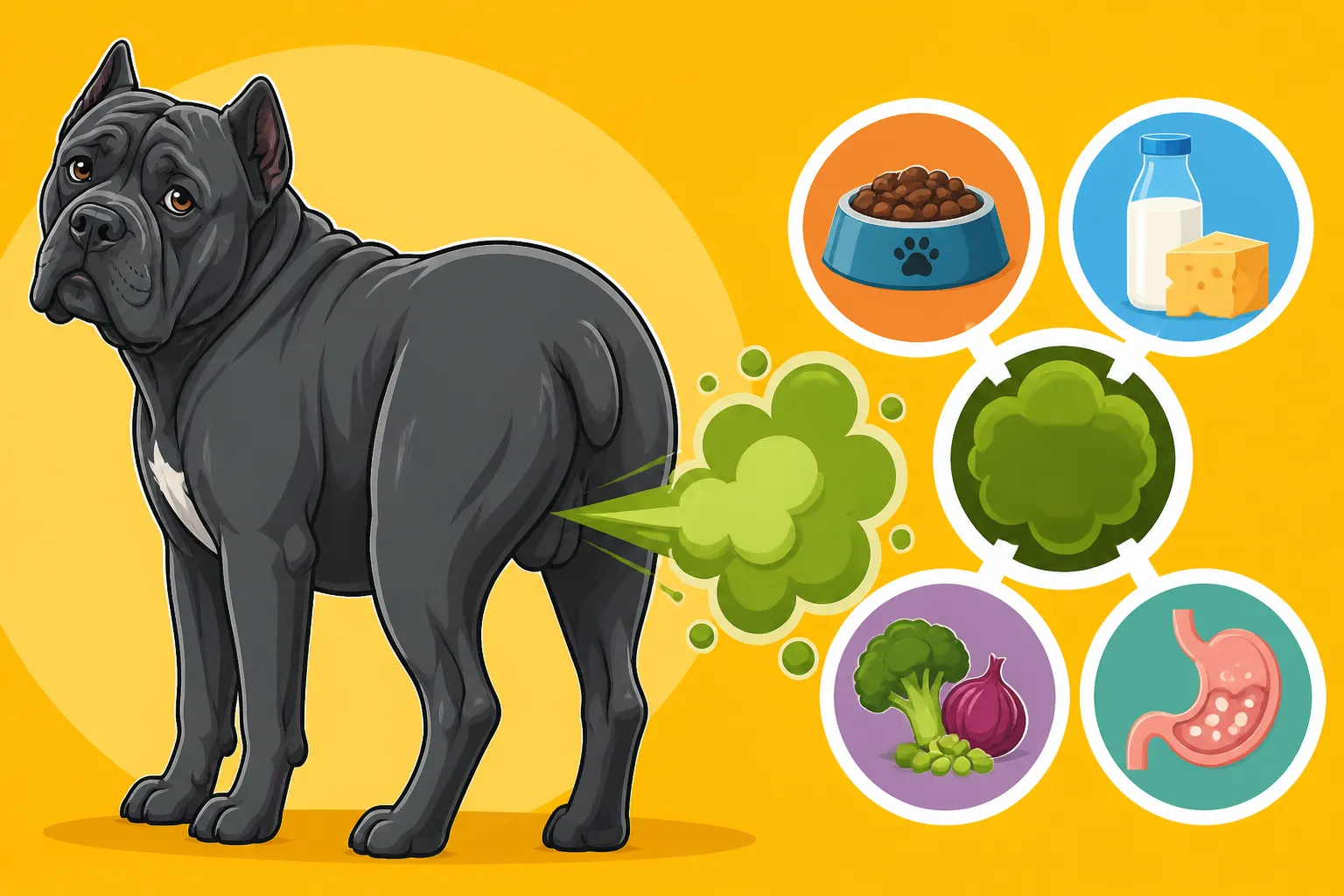
The number one offender when it comes to doggy gas is almost always diet. What you put into your Cane Corso's bowl directly impacts what comes out, both literally and figuratively. These powerful dogs have robust digestive systems, but they aren't invincible, and certain ingredients or feeding practices can really throw things off.
The Wrong Ingredients in Their Food Bowl
Many commercial dog foods, while convenient, can contain ingredients that are hard for a Cane Corso's system to process efficiently. Fillers like corn, wheat, and soy are common culprits. These can ferment in the gut, leading to excess gas production. Imagine eating a meal that leaves you feeling bloated and uncomfortable; your dog feels the same way. Beyond fillers, some dogs are simply sensitive to certain protein sources. Chicken, for instance, is a very common protein, but for some Cane Corsos, it can lead to digestive upset, including gas, loose stools, or even skin issues. Rich, fatty foods can also be problematic. While healthy fats are important, too much can overwhelm the pancreas and digestive enzymes, leading to indigestion and gas. It's like us eating too much greasy food; we pay for it later. Finding a high-quality food, perhaps one you can easily order from a service like Chewy, that prioritizes whole ingredients and a single protein source can make a world of difference. You might want to consider an Elimination Diet for an Itchy Cane Corso if you suspect food sensitivities are behind more than just gas.
Fast Eaters and Air Swallowing
Cane Corsos are often enthusiastic eaters, to say the least. They can inhale their food with a speed that would impress a vacuum cleaner. While this might seem efficient, it's a huge contributor to gas. When a dog eats too quickly, they swallow a lot of air along with their food. This swallowed air has to go somewhere, and often, it exits as a burp or, more frequently, as flatulence. This is especially true for deep-chested breeds like the Cane Corso, where the anatomy of their digestive tract can make it harder for trapped air to escape without causing discomfort. Using a slow feeder bowl, a puzzle feeder, or even spreading their food out on a baking sheet can force them to slow down, chew more thoroughly, and ingest less air. This simple change alone can drastically reduce the amount of gas produced. Remember, The Mealtime Habits That Turn a Cane Corso's Stomach are crucial for their overall digestive health, not just preventing bloat.
Beyond the Bowl: Other Digestive Disruptors
Sometimes, the issue isn't just what they're eating or how they're eating, but other factors within their digestive environment. The delicate balance of gut bacteria, sudden changes, or even opportunistic scavenging can all play a significant role in your Cane Corso's gaseous episodes.
Sudden Dietary Changes or Table Scraps
A Cane Corso's digestive system thrives on consistency. Sudden changes in their diet, even if it's from one high-quality food to another, can cause temporary upset. Their gut bacteria need time to adjust to new ingredients. If you're switching foods, always do so gradually over 7-10 days, mixing increasing amounts of the new food with decreasing amounts of the old. Beyond planned changes, table scraps are a huge no-no for gas prevention. Human foods, especially those seasoned with spices, onions, or garlic (which are toxic to dogs), or those rich in fats, can cause severe digestive distress for your Cane Corso. Even seemingly harmless foods can disrupt their system and lead to excessive gas and potentially worse issues. Diet Changes That Upset a Deep Chested Cane Corso can be quite severe, so proceed with caution.
Imbalance in Gut Bacteria
Just like in humans, a healthy gut flora is essential for proper digestion in dogs. An imbalance, where bad bacteria outnumber the good, can lead to fermentation of undigested food in the colon, producing gas. This imbalance can be caused by stress, antibiotics, illness, or a poor diet. Probiotics, which introduce beneficial bacteria, can often help restore this balance. Many pet owners find a quality probiotic supplement (available from sites like Amazon) to be a game-changer for digestive health and gas reduction. It's worth exploring Whether a Cane Corso Needs a Probiotic if your dog experiences chronic gas.
Health and Lifestyle: When Gas Is a Symptom
While diet is often the first place to look, it's important not to overlook potential underlying health issues or lifestyle factors that could contribute to your Cane Corso's gas problem. Sometimes, flatulence is merely a symptom of a larger, more concerning condition.
Gastrointestinal Sensitivities and Conditions
Some Cane Corsos simply have more sensitive digestive systems than others, making them prone to conditions like Irritable Bowel Syndrome (IBS) or inflammatory bowel disease (IBD). These conditions can manifest as chronic gas, diarrhea, vomiting, and abdominal discomfort. Food allergies or intolerances can also cause similar symptoms. In these cases, a veterinary diagnosis is crucial. They might recommend specific prescription diets, medications, or further diagnostic tests to get to the root of the problem. If your Cane Corso is experiencing frequent or severe gas accompanied by other symptoms, don't hesitate to consult your vet. Early detection and management are key to their comfort and health. It's also important to be aware of the more serious Recognizing Bloat in a Cane Corso Before It Turns, although gas alone is not necessarily bloat, prolonged discomfort warrants attention.
Parasites and Infections
Intestinal parasites, such as giardia or worms, can wreak havoc on a dog's digestive system, leading to gas, diarrhea, weight loss, and general malaise. Bacterial overgrowth in the small intestine (SIBO) can also cause significant gas and malabsorption. Regular deworming, as recommended by your vet, and prompt treatment for any suspected infections are vital. If your Cane Corso's gas has a particularly foul odor, or if it's accompanied by other signs of illness, a stool sample should be checked by your veterinarian. Routine Yearly Bloodwork on an Adult Cane Corso can also sometimes reveal underlying issues before they become major problems.
Stress and Anxiety
Believe it or not, stress and anxiety can also contribute to gastrointestinal upset, including gas, in dogs. When dogs are stressed, their bodies release hormones that can affect digestion, often speeding it up or slowing it down in irregular ways. A change in routine, separation anxiety, new environments, or even loud noises can all trigger stress in a sensitive Cane Corso. Observing your dog's behavior and environment can help identify potential stressors. Providing a calm, predictable environment and addressing any underlying anxiety issues with training or, if necessary, veterinary guidance can help. Think about whether their daily routine has changed, or if anything new is making them uneasy.
Practical Solutions to Reduce Cane Corso Gas
Now that we’ve explored the common culprits, let’s talk about actionable steps you can take to make your home a less fragrant place and your Cane Corso a more comfortable dog. Many solutions are straightforward and can be implemented right away.
Optimizing Their Diet and Feeding Routine
The cornerstone of reducing gas is a high-quality, consistent diet. Look for dog foods with easily digestible ingredients, limited fillers, and a single, novel protein source if food sensitivities are suspected. Many owners find success with specialized large breed formulas that cater to the unique needs of a growing giant. Consider brands that focus on fresh, human-grade ingredients, like Ollie, which can often be gentler on sensitive stomachs.
Here’s a quick comparison of feeding strategies:
| Feeding Strategy | Pros | Cons | Gas Reduction Potential |
|---|---|---|---|
| Free Feeding | Convenient for owners | Encourages fast eating, potential for overeating | Low |
| Bowl Feeding (Fast) | Quick | Air swallowing, gulping | Very Low |
| Slow Feeder Bowl | Forces slower eating, reduces air intake | Requires dog to work a bit more for food | High |
| Puzzle Feeder | Mental stimulation, very slow eating | Takes longer, might be messy | Very High |
| Multiple Small Meals | Eases digestive load, mimics natural grazing | Requires more owner effort throughout the day | High |
Splitting The Daily Ration an Adult Cane Corso Actually Needs into two or even three smaller meals throughout the day, rather than one large one, can also significantly aid digestion and reduce the volume of gas produced at any one time. This gives their system less to process at once.
Exploring Supplements and Veterinary Interventions
Sometimes, diet optimization isn't quite enough, and that's when supplements or professional medical advice come into play. There's a range of options available to support your Cane Corso's digestive health.
Probiotics and Digestive Enzymes
As mentioned, a healthy gut microbiome is crucial. Probiotics introduce beneficial bacteria that can help break down food more effectively and reduce gas-producing fermentation. Digestive enzymes, on the other hand, assist the body in breaking down fats, proteins, and carbohydrates, ensuring more complete digestion before food reaches the colon. You can find these supplements at most pet stores or online retailers like Chewy. Always choose products specifically formulated for dogs and consult with your vet about the appropriate dosage, especially for a large breed like a Cane Corso. Remember that Whether a Cane Corso Needs a Probiotic often depends on their individual health and dietary history.
When to Call the Vet
If, after making dietary and feeding changes, your Cane Corso's gas persists, is unusually foul, or is accompanied by other symptoms like vomiting, diarrhea, lethargy, loss of appetite, or abdominal pain, it's time for a trip to the vet. These could be signs of more serious underlying health issues, such as food allergies, inflammatory bowel disease, exocrine pancreatic insufficiency, or even certain cancers. Your vet can perform a thorough examination, including blood tests and stool analyses, to rule out medical conditions. Never self-diagnose severe or chronic issues, as delaying professional medical attention could be detrimental to your dog's health. While gas is a common issue, it's also a symptom that could point to one of the health issues covered in What Most Cane Corsos Actually Die Of, so taking it seriously is important.
Living With a Less Gassy Cane Corso
Managing your Cane Corso's gas is an ongoing process, but with attention to diet, feeding habits, and overall health, you can significantly reduce the frequency and intensity of those notorious odors. It’s about creating a holistic approach to their well-being, acknowledging that these magnificent dogs have specific needs that, when met, lead to a happier, healthier, and less gassy companion.
Consistency and Observation Are Key
Once you find a food and feeding routine that works, stick with it. Consistency is your best friend when it comes to managing a Cane Corso's sensitive digestive system. Avoid giving them table scraps, even small ones, and introduce any new treats or foods gradually. Pay close attention to your dog's stools – they are a fantastic indicator of digestive health. Any major changes in consistency, color, or frequency, especially when accompanied by increased gas, warrant investigation. Keep a diary if necessary, noting down food, treats, and any digestive upset. This information can be invaluable for your vet. Also, consider if Whether Fish Oil Settles a Cane Corso's Itchy Skin might also have positive digestive benefits, as overall health is interconnected.
Exercise and Hydration for Digestive Health
Regular exercise not only keeps your Cane Corso physically and mentally healthy, but it also aids in digestion. A good walk can help move things along in their digestive tract, potentially reducing gas buildup. However, always wait at least an hour after a meal before engaging in strenuous exercise, especially with deep-chested breeds like the Cane Corso, to minimize the risk of bloat. Fresh, clean water should always be available. Proper hydration is essential for all bodily functions, including digestion, and can help prevent constipation, which can exacerbate gas issues. Even the way they drink can affect their digestion, so make sure they have ample, easy access to water.
By being proactive and observant, you can turn those gassy moments into rare occurrences, ensuring your Cane Corso remains the majestic, albeit sometimes smelly, companion you adore.
Disclaimer
This article is for general informational purposes only and does not constitute professional advice. Laws, prices and regulations vary by location and change over time. Consult a qualified professional for guidance on your specific situation.