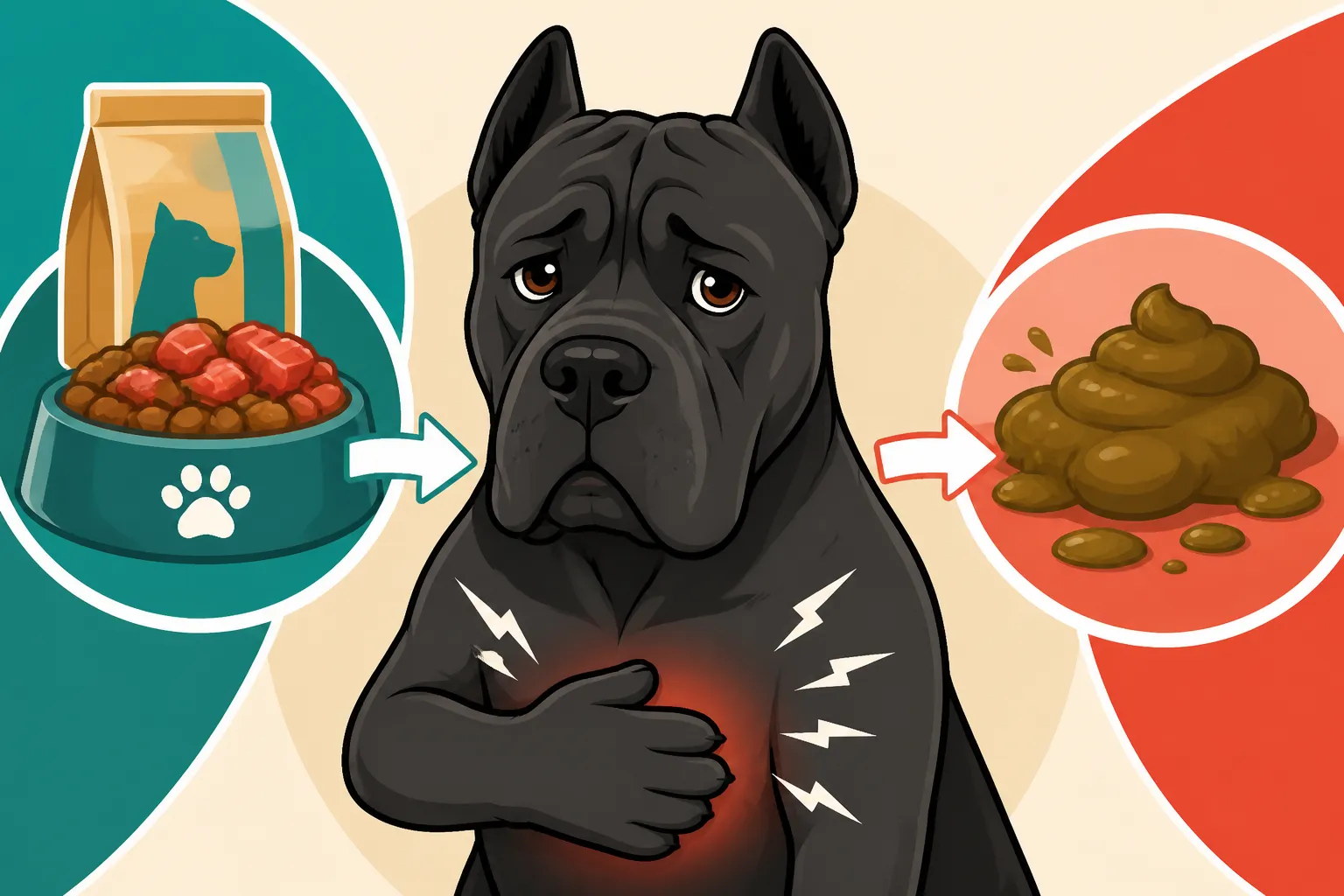
Why a Cane Corso Has Loose Stools on New Food
It's a scenario far too familiar for many Cane Corso owners: you've carefully selected a new kibble, a fresh food option, or even just a different flavor from the same brand, hoping to provide the best for your majestic companion. But within a day or two of the switch, you're faced with the unmistakable signs of digestive upset—loose stools, gurgling tummies, or even outright diarrhea. This sudden change can be incredibly frustrating and even alarming, making you question every decision and leaving you wondering if your Cane Corso is simply too sensitive or if you've chosen the wrong food. This guide is here to shed light on why your Cane Corso might experience loose stools on new food and, more importantly, how to navigate these transitions smoothly to keep their digestive system happy and healthy.
Understanding Your Cane Corso's Digestive System
Our Cane Corsos, with their impressive size and powerful presence, might seem robust, but their internal workings, particularly their digestive tracts, can be surprisingly sensitive. Understanding the basics of their gut health is the first step to preventing tummy troubles.
The Delicate Balance of Gut Flora
Imagine a bustling city within your Cane Corso's intestines. This city is teeming with trillions of microorganisms—bacteria, yeasts, and other microbes—collectively known as the gut microbiome. These tiny residents play an enormous role in digestion, nutrient absorption, and even immune system function. When your Cane Corso is on a consistent diet, this microbiome reaches a stable, happy balance, optimized to break down the specific ingredients they regularly consume.
Each type of food, with its unique blend of proteins, fats, carbohydrates, and fiber, requires a slightly different population of gut bacteria to process it efficiently. Think of it like a specialized workforce. If you suddenly change the type of work drastically, the existing workers might not be equipped for the new tasks, and it takes time for the right new workers to arrive and establish themselves. A sudden dietary shift can throw this delicate balance into chaos, leading to an overgrowth of certain bacteria, a reduction in beneficial ones, and an overall upset that manifests as loose stools. It's not necessarily that the new food is "bad," but rather that the digestive system hasn't had time to adapt.
Why Cane Corsos Are Prone to Sensitivity
While every dog is an individual, Cane Corsos, like many large and giant breeds, can sometimes exhibit a predisposition to digestive sensitivities. Their deep chests, a hallmark of the breed, are often associated with a higher risk of bloat, a serious condition where the stomach twists. While bloat itself isn't directly related to loose stools, the physical conformation can sometimes contribute to a more sensitive overall digestive environment.
Beyond physical traits, their imposing stature can sometimes mask a surprisingly sensitive emotional side. Stress, even subtle changes in routine, or the anxiety associated with new experiences can impact a dog's gut health. This is a phenomenon we see in humans too – stress can literally tie your stomach in knots. So, a new food, combined with perhaps a new environment, new routine, or even just the change itself, can create a perfect storm for a sensitive Cane Corso's digestive system. They might also have a slightly higher incidence of food sensitivities compared to some other breeds, meaning they react more strongly to certain common ingredients. This makes them particularly susceptible to Diet Changes That Upset a Deep Chested Cane Corso.
Common Reasons for Loose Stools During a Food Transition
When your Cane Corso develops loose stools after a food change, there are usually a few key culprits at play. Pinpointing the most likely cause helps you address the issue effectively.
Too Rapid a Switch
This is, hands down, the most frequent reason for digestive upset during a food transition. We've all been there: you run out of the old food, or you're just so excited about the new one that you swap it out cold turkey. While some iron-stomached dogs might handle this without a blink, for a Cane Corso, it's often a recipe for disaster.
As we discussed, their gut microbiome is specialized for their current diet. When you abruptly introduce a completely new food, their digestive enzymes and gut bacteria aren't prepared for the sudden shift in ingredients. They might struggle to properly break down the new proteins, fats, or fibers, leading to undigested food passing through the system too quickly. This rapid transit prevents the colon from absorbing enough water, resulting in soft, mushy, or even watery stools. It's like asking a baker to suddenly become an auto mechanic overnight—they simply don't have the tools or the training for the job yet. The sudden influx of unfamiliar ingredients can also irritate the intestinal lining, causing inflammation and further accelerating the passage of food.
Ingredient Sensitivities or Allergies
Sometimes, it's not just the speed of the switch, but the ingredients themselves. The new food, no matter how high-quality or well-regarded, might contain an ingredient that your individual Cane Corso is sensitive or allergic to. Common culprits include certain proteins (like beef, chicken, or dairy), grains (such as wheat, corn, or soy), or even artificial colors, flavors, and preservatives.
If your Cane Corso has a true food allergy, their immune system mistakenly identifies a harmless food protein as a threat, triggering an allergic reaction. This can manifest not only as loose stools but also as vomiting, itchy skin, ear infections, or excessive gas. A sensitivity, while not a full-blown immune response, still causes digestive distress. For instance, if your Corso has always eaten a chicken-based diet and you switch to a lamb formula, their system might not be accustomed to processing lamb protein, or they might simply have a mild intolerance to it. In these cases, even a slow transition might not entirely prevent symptoms, though it could lessen their severity. This is why paying attention to ingredients and potentially looking into An Elimination Diet for an Itchy Cane Corso can be helpful if problems persist.
Stress and Anxiety
It’s easy to overlook the emotional component of digestion, but for many dogs, including intelligent and sensitive breeds like the Cane Corso, stress and anxiety can have a direct impact on their gastrointestinal health. Just like humans can get "nervous stomachs," dogs can experience digestive upset when feeling stressed.
A food change, even if done slowly, is still a change in routine. Perhaps the new food has a different texture, smell, or is being served in a different bowl. If your Cane Corso is already prone to anxiety or finds changes unsettling, this can trigger a stress response that affects their gut motility. When a dog is stressed, their body can redirect blood flow away from the digestive system and release hormones that accelerate digestion, leading to symptoms like diarrhea. This is particularly true if the food change coincides with other life events, such as moving to a new home, the arrival of a new family member or pet, or even just a busy household schedule. Ensuring a calm, consistent feeding environment can be just as important as the food itself.
Underlying Health Issues Unmasked
While most cases of loose stools during a food transition are benign and resolve with proper management, sometimes a diet change can unfortunately unmask an underlying health issue that was previously dormant or compensated for. For instance, if your Cane Corso has a mild form of Exocrine Pancreatic Insufficiency (EPI) or Inflammatory Bowel Disease (IBD) that was being managed by their old, familiar diet, the introduction of new ingredients might overwhelm their already compromised digestive system.
Similarly, intestinal parasites, bacterial infections, or other gastrointestinal diseases might be present but asymptomatic until the stress of a diet change causes a flare-up. If the loose stools are severe, persistent, accompanied by vomiting, lethargy, loss of appetite, or blood in the stool, it’s crucial to consider that something more serious might be at play. While you hope it's just a simple food adjustment, never hesitate to consult your veterinarian if symptoms are concerning, as they can help rule out these more serious conditions. It’s also wise to know the signs of more serious issues like Recognizing Bloat in a Cane Corso Before It Turns, even if the immediate problem is just loose stools.
The Right Way to Transition Your Cane Corso's Food
The key to avoiding digestive upset when changing your Cane Corso's food lies in a slow, methodical approach. Patience is your best friend here, giving their system ample time to adjust to the new ingredients.
The Gradual Mixing Method
This method is tried and true for a reason: it works by slowly introducing the new food while gradually reducing the old. This allows your Cane Corso's digestive enzymes and gut bacteria to adapt without being overwhelmed. Don't rush it, especially with a large breed known for sensitivity.
Here’s a general guideline for a 7-10 day transition, though some Corsos may need even longer, up to two weeks:
| Day | Old Food Percentage | New Food Percentage | Notes |
|---|---|---|---|
| Day 1-2 | 75% | 25% | Observe stool consistency closely. |
| Day 3-5 | 50% | 50% | Still watching for any changes. |
| Day 6-8 | 25% | 75% | Most of the meal is now new food. |
| Day 9-10 | 0% | 100% | Fully transitioned to the new diet. |
Practical Application:
- Start Small: Begin by mixing a very small amount of the new food—just a spoonful or two—with their regular meal for a day or two. This acts as a 'teaser' and helps their system start to recognize the new scent and taste.
- Mix Thoroughly: Ensure the old and new foods are well mixed in the bowl. This prevents your clever Corso from picking out their preferred food and leaving the rest.
- Observe Closely: Pay attention to their stool consistency throughout this period. A slight softening might be normal, but full-blown diarrhea means you need to slow down.
- Adjust as Needed: If you notice any digestive upset, simply revert to the previous day's ratio for another 2-3 days before attempting to increase the new food again. There's no prize for finishing fastest; the goal is a smooth, symptom-free transition.
When you're sourcing your new food, whether it's a specific kibble or a fresh food alternative like Ollie, remember to buy it with enough lead time to implement this gradual transition. Many online retailers like Chewy or Amazon offer subscriptions that can help ensure you don't run out unexpectedly.
Monitoring and Adjusting
A successful food transition isn't just about following a schedule; it's about being an attentive observer of your Cane Corso. Each dog is unique, and what works for one might not work for another.
- Stool Consistency is Your Barometer: This is the most important indicator. Ideally, you want firm, well-formed stools throughout the transition. If they become consistently soft, watery, or you notice any mucus or blood, it's a clear signal to slow down. Don't push through persistent diarrhea.
- Appetite and Energy Levels: Watch for any changes in their enthusiasm for meals or their general energy. A loss of appetite or lethargy is a red flag that something isn't sitting right.
- Gas and Bloating: While some increased gas might be normal, excessive or unusually foul-smelling gas could indicate their system is struggling. Keep an eye on any signs of bloating, which can be a serious concern for deep-chested breeds like the Cane Corso. Pay attention to The Gas a Cane Corso Produces and What Causes It to understand normal versus problematic flatulence.
- Slow Down or Pause: If you see any concerning symptoms, don't be afraid to pause the transition or even go back a step. Stay at a comfortable ratio for a few more days until their digestion normalizes before attempting to increase the new food again. If they get really upset, going back to 100% old food until they settle, then restarting the transition even more slowly, is often the best course of action. You might realize they need a full two weeks or even longer.
When to Seek Veterinary Advice
While minor digestive upsets during a food transition are often manageable at home, there are definite instances when a trip to the vet is absolutely necessary. Never underestimate the potential for a serious issue, especially with a large breed like the Cane Corso.
- Severe or Persistent Diarrhea: If your Cane Corso has watery diarrhea for more than 24-48 hours, or if it's accompanied by vomiting, lethargy, or weakness, seek vet attention immediately. Dehydration can set in quickly, and it can be dangerous for large dogs.
- Blood in Stool: Any visible blood, whether bright red (indicating lower GI bleeding) or black and tarry (indicating upper GI bleeding), warrants an immediate veterinary visit.
- Loss of Appetite: If your Cane Corso refuses to eat for more than 24 hours, especially if combined with other symptoms, get them to the vet.
- Vomiting: Occasional vomiting might happen, but persistent vomiting, especially with diarrhea, increases the risk of dehydration and indicates a more severe problem.
- Signs of Discomfort: Excessive panting, restlessness, abdominal pain, or changes in behavior can signal something serious.
- Bloat Concerns: For a Cane Corso, any sign of abdominal distention, unproductive retching, or extreme restlessness should be treated as an emergency due to the risk of bloat. Knowing these signs is critical, as discussed in Recognizing Bloat in a Cane Corso Before It Turns.
Remember, you know your dog best. If something just doesn't seem right, even if it doesn't fit neatly into the "emergency" category, a quick call or visit to your vet is always the safest course of action.
Supporting Your Cane Corso's Digestion Through Change
Beyond the gradual transition itself, there are several ways you can actively support your Cane Corso's digestive health during and after a food change. These strategies can help minimize discomfort and promote a healthy gut.
Probiotics and Prebiotics
Think of probiotics as the beneficial "good guys" in your Cane Corso's gut microbiome, and prebiotics as the food that helps these good guys thrive. Introducing a high-quality probiotic supplement can be incredibly helpful during a diet transition. It's like sending in reinforcements to help re-establish a healthy bacterial balance when the system is in flux.
- How They Help: Probiotics introduce live, beneficial bacteria directly into the digestive tract, helping to outcompete any undesirable bacteria that might flourish during upset. Prebiotics, often types of fiber, pass undigested into the colon where they ferment and feed these good bacteria.
- When to Use Them: Start a probiotic a few days before you even begin the food transition, continue throughout the process, and for a few weeks after the full switch. This preemptive approach can prepare the gut for the change. You might also want to explore Whether a Cane Corso Needs a Probiotic for long-term benefits.
- Choosing a Supplement: Look for dog-specific probiotic supplements. Brands often available on Chewy or Amazon offer a variety of options, from powders to chews. Always follow the manufacturer's dosage instructions. Some foods, especially fresh food options like Ollie, may already incorporate beneficial ingredients or be naturally easier on the digestive system.
Bland Diets for Recovery
If your Cane Corso does experience digestive upset, even with a slow transition, a temporary bland diet can be a lifesaver for settling their stomach and firming up stools. This provides their irritated gut with easily digestible nutrients without stressing it further.
- What to Feed: The classic bland diet consists of boiled, plain white rice mixed with plain, boiled protein.
- Protein Options: Skinless, boneless chicken breast, lean ground beef (drained of fat), or low-fat cottage cheese are good choices. Ensure the protein is completely plain – no seasoning, butter, or oil.
- Ratio: A common ratio is 2 parts rice to 1 part protein.
- How to Use It:
- Short-term Only: A bland diet is not nutritionally complete for long-term feeding, especially for a large breed like a Cane Corso. Use it for 2-3 days max, or until stools firm up.
- Gradual Reintroduction: Once stools are firm, gradually transition back to their regular food (or the new food, but very slowly) by mixing the bland diet with small amounts of the kibble or fresh food over several days, following a similar schedule to the initial food transition.
- Hydration is Crucial: While on a bland diet, ensure your Cane Corso has constant access to fresh water. If they're not drinking, offer ice chips or low-sodium broth to encourage fluid intake.
Hydration is Key
This might seem obvious, but proper hydration is absolutely critical, especially when dealing with loose stools. Diarrhea causes significant fluid loss, and a large dog like a Cane Corso can become dehydrated very quickly, which can lead to more serious health complications.
- Fresh Water, Always: Ensure your Cane Corso always has access to multiple bowls of fresh, clean water. Clean and refill bowls frequently to encourage drinking.
- Monitor Intake: Keep an eye on how much they're drinking. If they seem to be drinking less than usual, or if their gums are tacky and dry, these are signs of dehydration.
- Encourage Drinking: If your Cane Corso is reluctant to drink, you can try adding a small amount of low-sodium chicken or beef broth to their water to make it more appealing. You can also offer ice cubes or ice chips, which some dogs find more fun to consume.
- Watch for Overheating: A dehydrated dog, especially a deep-chested one, can be more susceptible to overheating. Keep an eye on how much activity they're getting, especially in warmer weather, and make sure they have plenty of shade and rest. For specifics on how much water a large dog drinks, and Why a Cane Corso Empties Its Water Bowl by Noon, it's good to be informed.
By understanding your Cane Corso's digestive needs, carefully managing food transitions, and providing supportive care, you can help them navigate dietary changes with minimal fuss and keep their magnificent selves feeling their best.
Disclaimer
This article is for general informational purposes only and does not constitute professional advice. Laws, prices and regulations vary by location and change over time. Consult a qualified professional for guidance on your specific situation.