Why Breeders Call a Gray Cane Corso Blue
Diluted black pigment creating a gray Cane Corso coat explains why breeders use the nickname blue for the slate shade.

Diluted black pigment creating a gray Cane Corso coat explains why breeders use the nickname blue for the slate shade.

Gray Cane Corso coat frequency lacks exact counts, though the established color is widely known and called blue.

Cane Corso ear cropping rules depend on the specific kennel club standard, event regulations, and local animal welfare laws.

Ear cropping regulations for Cane Corsos in international dog shows, including bans across Europe, Oceania, and the United Kingdom.

Cane Corso ear cropping shapes public perception, shifting the breed image from working guardian to an intimidating animal.
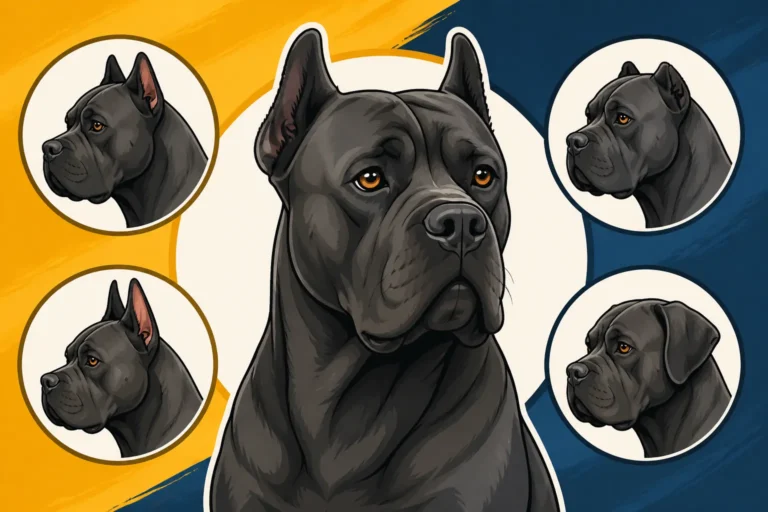
Cane Corso ear crop styles including the long show crop, the medium pet crop, and the short utility crop explained.

An uncropped Cane Corso can win in dog shows because official American Kennel Club standards state that ear cropping is optional.
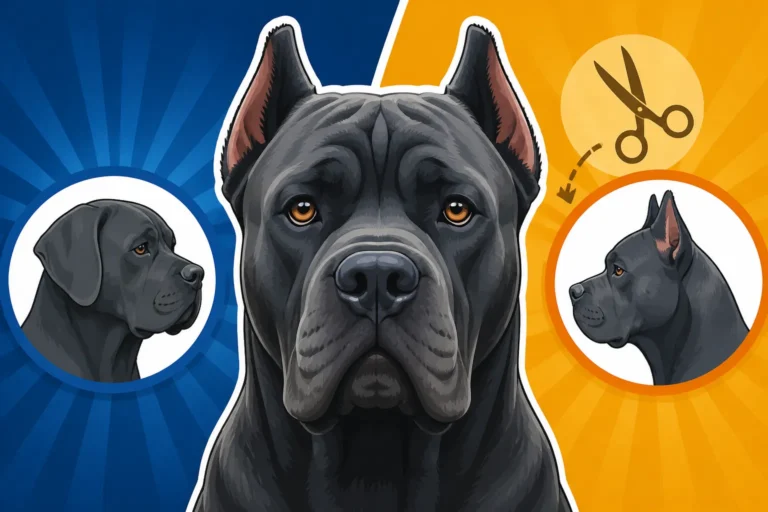
Cane Corso ear cropping originated as a practical protection method against wild boar and wolves during farm work.

Cane Corso puppies are born with full long tails extending to the hocks, unlike the docked appearance seen in show standards.
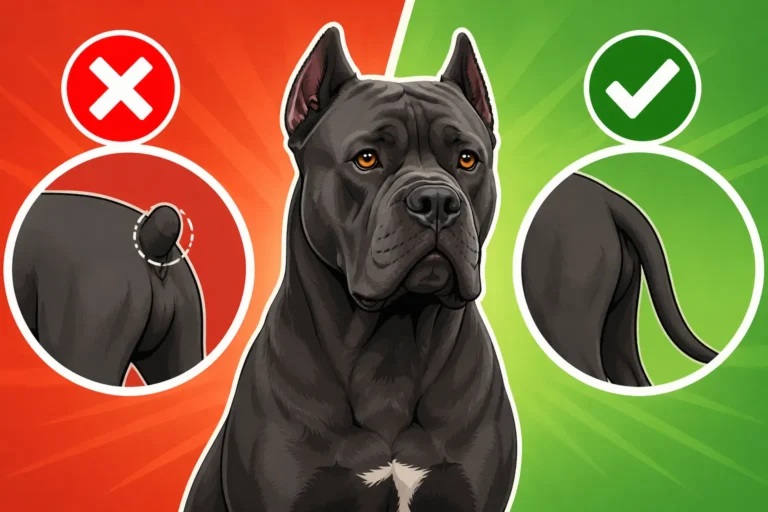
Cane Corso tail docking legality varies by region, detailing global bans and US state rules that impact prospective dog owners.