What Happens to an Under Exercised Cane Corso
It's heartbreaking to see a magnificent Cane Corso struggling with anxiety, destructive habits, or even aggression, and often, the root cause isn't a lack of love or training, but simply a profound lack of appropriate physical and mental exercise. This guide will explore the multifaceted impact of under-exercising your powerful guardian breed and offer practical solutions to ensure your Cane Corso thrives, both mentally and physically, preventing common pitfalls that lead to stress for both dog and owner.
The Physical Toll of Insufficient Activity
When a Cane Corso, a breed historically developed for guarding property and driving livestock, doesn't get the robust physical exertion it needs, its body starts to show the strain. These dogs are built for power and endurance, not for being couch potatoes, no matter how much they might try to convince you otherwise on a rainy day. Over time, a sedentary lifestyle chips away at their physical health, setting the stage for a host of problems that can reduce their quality of life and even shorten their time with you.
Weight Gain and Joint Stress
One of the most immediate and visible consequences of under-exercise in a Cane Corso is weight gain. These are large, muscular dogs with a significant caloric intake, and if those calories aren't burned off, they're stored as fat. An overweight Cane Corso is at a drastically increased risk for a range of health issues. The extra pounds put immense pressure on their already substantial joints, particularly the hips and elbows, which are areas Cane Corsos are already predisposed to issues like hip and elbow dysplasia. Imagine carrying an extra twenty or thirty pounds around every day; it's painful and debilitating.
This isn't just about discomfort, it actively accelerates the degeneration of cartilage and can bring on or worsen conditions like arthritis much earlier in life. While some joint issues are genetic, a healthy weight and appropriate exercise can significantly mitigate their severity and onset. It’s a cruel irony that preventing them from running and playing can lead to them being unable to run and play due to joint pain later on. The Age a Cane Corso Can Be Hip Scored is typically around two years, but the foundation for good joint health is laid in puppyhood and maintained throughout their lives through careful management of their weight and activity.
Muscle Loss and Overall Decline
Beyond weight gain, a lack of regular physical activity leads to a decrease in muscle mass. Cane Corsos are defined by their impressive musculature, which is essential not only for their strength but also for supporting their skeletal structure. Muscles act like natural shock absorbers and stabilizers for joints. Without consistent use, these muscles begin to atrophy, becoming weaker and less effective. This can lead to a vicious cycle: weaker muscles make movement more difficult or painful, which then discourages exercise, leading to further muscle loss.
An under-muscled Cane Corso will appear less powerful, and more importantly, will be less agile and prone to injuries. Simple activities like getting up from a lying position, navigating stairs, or even standing still for extended periods can become challenging. Their cardiovascular health also suffers, impacting their stamina and overall vitality. Think of a once-vibrant, powerful dog becoming sluggish and slow, not from age but from neglect of its fundamental physical needs. This isn't just about appearances; it's about their ability to enjoy life and engage with the world around them.
Behavioral Fallout: When Boredom and Frustration Take Over
A Cane Corso's mind is as powerful as its body. Bred to be intelligent, observant, and resilient, these dogs thrive on purpose and mental engagement. When their minds and bodies aren't stimulated adequately, that immense energy and intelligence have to go somewhere. More often than not, it manifests in behaviors that owners find challenging, frustrating, or even destructive. It's not a sign of a "bad" dog; it's a desperate cry for stimulation.
Destructive Habits and Anxious Behaviors
A bored Cane Corso is a master of invention, and unfortunately, their inventions usually involve things you value. Destructive chewing is a classic symptom. Your furniture, shoes, doorframes, or even walls might become targets as they seek to relieve pent-up energy and mental frustration. This isn't out of spite; it's often a self-soothing mechanism, an attempt to engage their powerful jaws and minds. Imagine the sheer destructive power of a bored, one-hundred-pound dog with nothing to do for eight hours. This isn't just puppy chewing; this is demolition work. The Damage a Bored Cane Corso Does Indoors can be extensive and costly.
Beyond chewing, under-exercised Cane Corsos can develop a range of anxious behaviors. This might include pacing, excessive licking, whining, or even separation anxiety. They might become hyper-attached to their owners, following them constantly, or display resource guarding over seemingly trivial items, a desperate attempt to control something in their environment. This underlying anxiety can also manifest as fear of new situations or people, as they haven't been adequately exposed to the world in a calm, confident state. Durable puzzle toys, especially those you can stuff with healthy treats, can be found on platforms like Amazon and can offer some temporary mental relief.
Increased Reactivity and Nuisance Barking
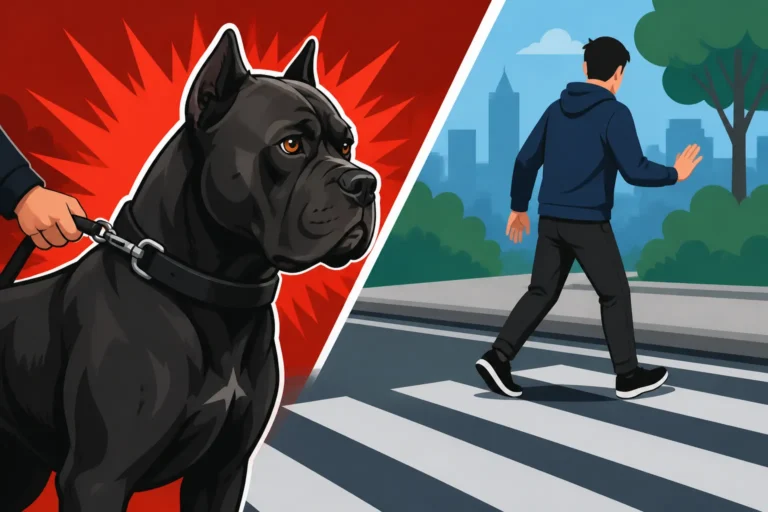
Cane Corsos are naturally alert and possess a strong guardian instinct. However, when under-exercised, this instinct can become amplified and misdirected. A dog with pent-up energy is often on edge, jumpy, and more prone to reacting explosively to stimuli that a well-exercised dog might ignore. That squirrel darting across the yard, the neighbor walking their dog, or even a sudden noise can trigger an exaggerated response. This "reactivity" can make walks a nightmare, turning a pleasant stroll into a constant battle against lunging and barking. What to Do When a Cane Corso Lunges at a Dog becomes a daily question for these owners.
Excessive barking is another common complaint. Your Cane Corso might bark relentlessly at everything and nothing – at passersby, at shadows, at sounds you can't even hear. It's often a combination of boredom, heightened alert levels, and a desperate need to burn off vocal energy. For a dog whose primary job was once to patrol and alert, barking is a natural outlet, but when it becomes constant and without context, it signals distress and lack of proper management. This nuisance barking can strain relationships with neighbors and make home life stressful for everyone involved.
Difficulty Focusing and Training Regression
Training a Cane Corso requires consistency, patience, and a dog that is in a receptive state of mind. An under-exercised Cane Corso, however, is often too restless, distracted, and mentally agitated to absorb new commands or reliably perform old ones. Their minds are buzzing with unspent energy, making it nearly impossible for them to focus on their handler or the task at hand. You might find your previously well-behaved dog suddenly "forgetting" commands, pulling incessantly on the leash, or simply zoning out during training sessions.
This isn't defiance; it's a biological inability to settle and concentrate. Imagine trying to learn a new skill when you're incredibly restless and fidgety – it's practically impossible. This regression can be incredibly frustrating for owners who have invested time and effort into training, leading to a breakdown in communication and trust. Without proper physical and mental outlets, even advanced obedience can unravel, turning a once-obedient companion into a challenging handful. Consistent, short training sessions after exercise, coupled with mental enrichment, are key.
The Crucial Role of Exercise in Mental Well-being
It's easy to think of exercise as purely physical, but for a Cane Corso, it's intrinsically linked to their mental health and overall emotional stability. A dog that is physically satisfied is far more likely to be mentally calm, confident, and receptive to learning. It's not just about tiring them out; it's about fulfilling their innate needs as a working breed.
Channeling Drive and Reducing Stress
Cane Corsos possess significant drive – a natural inclination to work, protect, and engage with their environment. If this drive isn't channeled constructively, it turns inward, manifesting as stress, anxiety, or destructive behaviors. Proper exercise, especially activities that engage their minds, helps them fulfill this innate need. Think of it as hitting the "reset" button on their mental state. A long, engaging walk where they can sniff and explore, or a session of fetching and tugging, allows them to release pent-up energy and mental tension in a healthy way. Ninety Minutes a Day and a Cane Corso's Mind is a good baseline, but quality matters just as much as quantity.
Moreover, physical activity triggers the release of endorphins, natural mood boosters that can help alleviate stress and anxiety. For a breed that can be prone to developing protective tendencies, a calm and balanced mental state is paramount. Regular exercise reduces the likelihood of them becoming overly reactive or stressed by everyday occurrences. It helps them build resilience and cope better with the world, making them more adaptable and less prone to neurotic behaviors.
Building Confidence and Social Skills
Exposure to various environments during walks and outings, when managed correctly, is a vital part of a Cane Corso's mental development. A well-exercised dog is often more confident in new situations because they've had positive experiences outside the home. This confidence is crucial for a large, powerful breed like the Cane Corso, helping them to be stable and well-adjusted rather than fearful or insecure, which can lead to reactivity.
Engaging in activities like structured walks, visits to dog-friendly stores, or even carefully managed playdates (if appropriate for your individual dog) provides opportunities for healthy socialization. It teaches them how to navigate the human world calmly and interact appropriately with other dogs and people. This isn't just about avoiding trouble; it's about shaping a well-rounded, polite companion. Early and consistent Neutral Socialization for a Cane Corso at Twelve Weeks is key, and continued exposure through exercise helps reinforce these lessons.
Crafting a Balanced Exercise and Enrichment Plan
Understanding the problems is one thing; implementing solutions is another. A successful exercise regimen for a Cane Corso goes beyond just letting them out in the yard. It requires intentional planning, variety, and a commitment to meeting both their physical and mental needs consistently.
Daily Physical Activity Requirements
For most adult Cane Corsos, we're talking about a minimum of 60 to 90 minutes of active exercise daily, often split into two sessions. This isn't a casual stroll; it should include brisk walks, jogging, or active play like fetching. Keep in mind their joint health; high-impact activities should be introduced gradually and monitored. For growing puppies, strenuous, repetitive activities like long-distance running should be avoided to protect their developing joints. The Age a Cane Corso Can Start Real Exercise is generally around 18-24 months when their growth plates have closed.
Beyond structured walks, consider activities like hiking (on varied terrain to build strength), swimming (excellent for low-impact conditioning), or even Rally and Agility With a Cane Corso if your dog enjoys it and is structurally sound. These activities not only burn calories but also engage their proprioception (awareness of their body in space) and build muscle strength. Remember to always warm up and cool down, especially for more intense activities, to prevent injuries.
The Power of Mental Stimulation
Physical exercise alone often isn't enough for a Cane Corso. Their intelligent minds crave a challenge. Mental stimulation can be just as tiring, if not more so, than physical activity. Incorporate puzzle toys, scent work, and regular training sessions into their daily routine. Hiding treats around the house for them to sniff out is a simple yet effective way to engage their primal instincts. Scent Work and Sniff Walks for a Cane Corso can be a fantastic, low-impact way to tire them out mentally.
Even during walks, turn it into a mental exercise. Practice commands like "sit" or "stay" at street corners, change directions frequently, or have them wait patiently while you open doors. This constant engagement keeps their brains active and reinforces good manners in real-world scenarios. A well-placed 'place' command on a dog bed while you cook dinner can provide excellent mental exercise in impulse control.
Tools and Strategies for Consistent Engagement
Having the right tools can make all the difference in maintaining a consistent exercise and enrichment routine. For walks, a sturdy, well-fitting harness or a head halter can give you better control over a powerful Cane Corso, especially if they are prone to pulling. Avoid harsh training tools that rely on pain or fear, as these can exacerbate behavioral issues. A long line (a very long leash, often 20-30 feet) can allow them to explore safely in open, secure areas, providing more freedom than a standard leash.
For mental enrichment, invest in durable chew toys and puzzle feeders. Brands often found on Amazon offer a wide array of options designed for powerful chewers. Treat-dispensing toys that require manipulation to release food can keep them occupied for significant periods. Additionally, consider enrolling in online training programs like those offered by BAXTER & Bella. These platforms provide structured lessons and mental challenges that can be incorporated into daily life, offering guidance on everything from basic obedience to advanced tricks and problem-solving games, all from the comfort of your home.
| Aspect | Under-Exercised Cane Corso (Symptoms) | Well-Exercised Cane Corso (Benefits) |
|---|---|---|
| Physical Health | Overweight, joint pain, muscle atrophy, lethargy | Lean, strong muscles, healthy joints, good stamina |
| Behavioral Issues | Destructive chewing, excessive barking, hyperactivity, reactivity, anxiety, training regression | Calm, focused, less destructive, quiet, responsive to commands |
| Mental State | Boredom, frustration, stress, anxiety, lack of focus | Confident, relaxed, intelligent, eager to learn, adaptable |
| Training | Difficulty concentrating, "forgetting" commands, pulling | Engaged, quick learner, reliable recall, good leash manners |
| Socialization | Over-reactive, fearful, aggressive tendencies, withdrawn | Confident greetings, appropriate dog interactions, stable |
Addressing and Reversing the Effects of Under-Exercise
If you're reading this and recognizing some of these signs in your own Cane Corso, don't despair. It's never too late to make positive changes, though it may take time, patience, and consistency to undo long-standing habits. The key is to start small and build up gradually.
Gradual Reintroduction to Activity
For a Cane Corso that has been sedentary, a sudden burst of intense activity can be dangerous, risking injury to muscles and joints. Start with short, frequent walks at a moderate pace. Instead of one long walk, try two or three shorter ones throughout the day. Gradually increase the duration and intensity as your dog's stamina and muscle tone improve. Pay close attention to their body language for any signs of discomfort or fatigue. This might mean starting with just 15-20 minutes of leisurely walking and slowly building up by 5-10 minutes each week.
Combine physical activity with mental games. Even a short walk can be enriched by allowing them to sniff extensively, playing "find the treat" in the grass, or practicing a few obedience cues in a new environment. This dual approach helps engage their full being without immediately overwhelming them physically. Remember, consistency is more important than intensity when you're starting out.
Seeking Professional Guidance
If your Cane Corso is exhibiting severe behavioral issues linked to under-exercise – such as intense reactivity, aggression, or debilitating anxiety – it's always wise to seek professional help. A certified professional dog trainer or a veterinary behaviorist can help you assess the specific challenges and develop a tailored plan. They can also help rule out any underlying medical conditions that might be contributing to the behavior. What to Look For in a Cane Corso Trainer involves finding someone experienced with guardian breeds and positive, force-free methods.
These professionals can guide you on safe and effective ways to increase activity levels, introduce mental enrichment, and implement behavior modification techniques. They can also provide support and accountability, which is invaluable when you're tackling entrenched habits in a powerful breed. Don't feel like you have to go it alone; sometimes an outside perspective and expert advice are exactly what's needed to get both you and your Cane Corso back on track towards a happier, healthier life together. The journey might be long, but the reward of a well-adjusted Cane Corso is immeasurable.
Disclaimer
This article is for general informational purposes only and does not constitute professional advice. Laws, prices and regulations vary by location and change over time. Consult a qualified professional for guidance on your specific situation.