Whether Pet Insurance Pays a Cane Corso’s Bloat Surgery
The sudden, terrifying onset of bloat, or gastric dilatation-volvulus (GDV), is a nightmare scenario for any Cane Corso owner. One minute your powerful companion is fine, the next they're struggling, and you're racing to the emergency vet, dreading not only the potential loss of your dog but also the monumental cost of the life-saving surgery. This guide will walk you through what pet insurance typically covers for bloat surgery, how to prepare financially, and what to look for in a policy to protect your big, beloved dog.
Understanding Bloat in Cane Corsos and Its Urgency
If you own a Cane Corso, the word "bloat" probably sends a shiver down your spine. It's one of those breed-specific anxieties that keep us up at night, knowing how quickly a happy dog can become critically ill. It's not just an upset stomach; it's a genuine emergency that demands immediate action.
The Terrifying Reality of GDV
Gastric dilatation-volvulus, or GDV, is far more than just a stomach full of gas. It's a condition where your Cane Corso's stomach first fills with gas and fluid (dilatation), and then twists upon itself (volvulus). When this happens, blood flow to the stomach is cut off, and it can also obstruct blood flow to other vital organs, like the spleen. The pressure from the distended stomach can also compress major blood vessels, leading to shock. Our deep-chested breeds, like the Cane Corso, are particularly susceptible to this horrifying condition. You might notice symptoms like restlessness, pacing, unproductive retching (trying to vomit but nothing comes up), distended abdomen, excessive drooling, and signs of pain. Time is absolutely of the essence. You'll want to be familiar with The First Sign a Cane Corso Is Bloating so you can recognize it immediately.
The reality is that GDV is an incredibly painful and rapidly progressing condition. What starts as a little discomfort can escalate to a life-threatening crisis in a matter of minutes or hours. There's no "wait and see" when it comes to bloat; it’s always a race against the clock to get your Cane Corso to the emergency veterinarian. The prognosis drastically worsens with every passing hour. Understanding The Hours That Decide a Bloated Cane Corso's Outcome can really drive home this point.
The High Stakes of Emergency Surgery
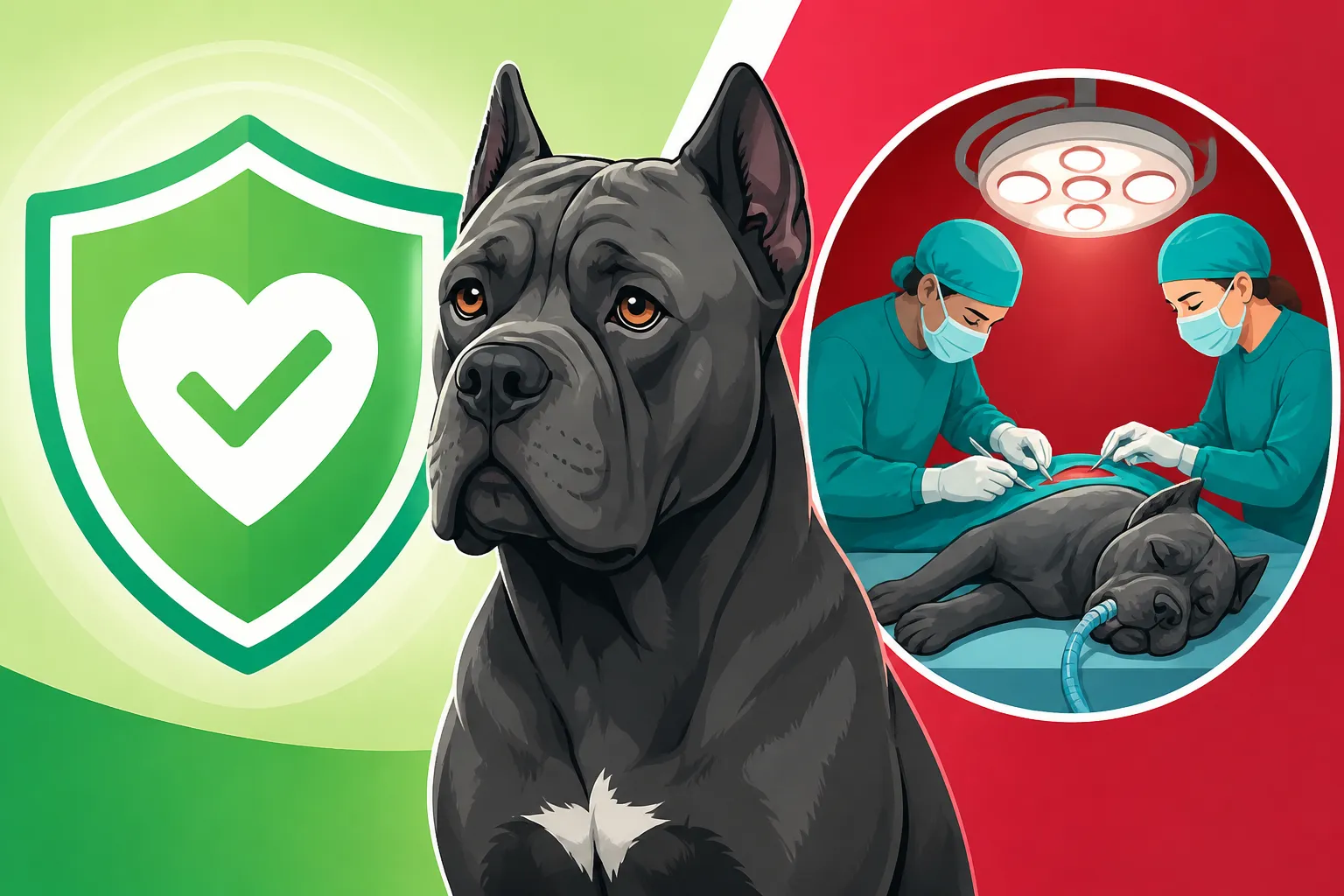
When a Cane Corso presents with bloat, the treatment is almost always emergency surgery. This isn't a simple procedure; it's a complex operation performed under immense pressure. The veterinary team first works to stabilize your dog, often involving IV fluids, pain medication, and sometimes even a needle to decompress the stomach. Once stable enough, they proceed with surgery to untwist the stomach and, if necessary, stitch it to the abdominal wall (a procedure called gastropexy) to prevent it from twisting again in the future. This preventative measure is usually performed during the emergency surgery, but sometimes can be done electively.
The high stakes aren't just about the dog's life, but also the financial burden. These surgeries involve a team of specialists, overnight critical care, anesthesia, monitoring equipment, medications, and potential complications. You're looking at a bill that can easily reach several thousands of dollars, often upfront, before your dog even leaves the hospital. It's a brutal reality that can hit you when you're already in a state of panic and fear for your beloved Cane Corso. This is exactly why conversations around What It Costs When a Cane Corso's Stomach Turns are so vital for proactive owners.
Pet Insurance and Bloat: What to Expect
When that emergency strikes, the last thing you want to be worrying about is how you're going to pay for it. That's where pet insurance comes in, ideally. But it's not as simple as just having a policy; the details truly matter, especially with a breed prone to specific issues like bloat.
Coverage for Unexpected Illnesses and Accidents
Most comprehensive pet insurance policies are designed to cover unexpected illnesses and accidents. Bloat surgery, being a sudden, life-threatening emergency, typically falls squarely into this category. If your Cane Corso has an active policy and bloat isn't considered a pre-existing condition, the costs associated with the emergency visit, diagnostics (like X-rays), surgery, anesthesia, hospitalization, and post-operative medications should be covered according to your policy's terms. This can be a huge relief, turning a potentially devastating financial blow into a manageable expense, as you'd only be responsible for your deductible and your co-insurance percentage.
However, it's critical to understand that "coverage" doesn't mean "free." You'll still pay a deductible first, and then the insurance company will reimburse you for a percentage of the remaining bill, usually 70-90%. Policies from providers like Healthy Paws, for example, typically focus on comprehensive accident and illness coverage, which is exactly what you need for a bloat emergency. But even with a great policy, you need to be clear on your specific plan's details regarding reimbursement rates and annual limits, which we'll discuss shortly.
Pre-Existing Conditions and Waiting Periods
Here's the rub that often catches owners off guard: pre-existing conditions. If your Cane Corso has any signs, symptoms, or a diagnosis of bloat or even related gastrointestinal issues before your pet insurance policy becomes active or during its initial waiting period, then bloat surgery will almost certainly be excluded from coverage. This is a standard clause across virtually all pet insurance providers, and it's there to prevent people from buying insurance only when they know a problem is imminent.
Most policies have a waiting period, typically 14 days for illnesses, before coverage kicks in. Some may have longer waiting periods for orthopedic conditions, but for acute illnesses like bloat, the standard waiting period usually applies. This means that if you enroll your Cane Corso today, and they develop bloat a week later, the surgery likely won't be covered because it falls within that initial waiting period. This is why getting a policy as early as possible, ideally when your Cane Corso is a healthy puppy, is so incredibly important. Waiting until your dog is older or starts showing subtle signs of health issues can mean you've missed your window for coverage on those specific problems. Don't wait; consider Starting Cover the Week a Cane Corso Puppy Arrives.
Deductibles, Reimbursement Rates, and Annual Limits
Understanding these three terms is crucial to predicting your out-of-pocket costs for something like bloat surgery.
- Deductible: This is the amount you pay out of pocket before your insurance coverage begins to reimburse you. It might be an annual deductible (you pay it once per policy year, regardless of how many claims you make) or a per-incident deductible (you pay it for each new illness or accident). Lower deductibles mean higher monthly premiums, and vice-versa.
- Reimbursement Rate: After you meet your deductible, this is the percentage of the remaining covered costs that your insurance company will pay. Common rates are 70%, 80%, or 90%. If your bill is $5,000, your deductible is $250, and your reimbursement rate is 80%, you'd pay the $250 deductible, leaving $4,750. The insurance would then cover 80% of that ($3,800), and you'd be responsible for the remaining 20% ($950).
- Annual Limit: Many policies have a maximum amount they will pay out in covered expenses during a policy year. This could be anywhere from a few thousand dollars to unlimited coverage. For a major surgery like bloat, which can be very expensive, having a high or unlimited annual limit is incredibly beneficial.
For instance, if your Cane Corso has a $7,000 bloat surgery bill, and your policy has a $500 deductible, an 80% reimbursement rate, and a $10,000 annual limit, here's how it would break down: you pay the first $500. Of the remaining $6,500, the insurance pays 80% ($5,200), and you pay the remaining 20% ($1,300). Your total out-of-pocket would be $1,800 ($500 deductible + $1,300 co-insurance). While still a significant sum, it's far less daunting than $7,000 out of pocket. Thinking about Monthly Pet Insurance Premiums on a Cane Corso in advance is always wise.
Choosing the Right Policy for Your Cane Corso
Selecting the right pet insurance for a large breed like a Cane Corso, especially one with known predispositions like bloat, requires careful consideration. It’s not a one-size-fits-all decision, and what works for a smaller, less-prone breed might not offer sufficient protection for your big guardian.
Researching Providers and Policy Details
When you're looking for pet insurance, don't just pick the first company you see. It's crucial to compare different providers and their policy details meticulously. Look for companies that have a good reputation for covering serious conditions and processing claims efficiently. Some popular providers like Healthy Paws are known for their comprehensive accident and illness plans, which are generally what you need for major medical events like bloat. Other companies might offer more customizable plans where you can adjust your deductible, reimbursement percentage, and annual limits to fit your budget and risk tolerance.
Specifically, when researching for your Cane Corso, pay close attention to:
- Coverage for major medical emergencies: Confirm that GDV/bloat is explicitly covered under their illness and accident plans.
- Waiting periods: Understand how long you have to wait before coverage for illnesses kicks in. The sooner you're covered, the better.
- Breed-specific exclusions: While less common for bloat, some policies might have exclusions for certain conditions in specific breeds. Always double-check.
- Customer service and claim processing: Read reviews about how easy it is to file a claim and how quickly reimbursements are issued.
It's also a good idea to speak directly with customer service representatives from a few different companies to ask specific questions about bloat coverage for a Cane Corso. Don't be shy about asking hypothetical scenarios to ensure you fully understand their terms.
The Value of Early Enrollment
I cannot stress this enough: enroll your Cane Corso in pet insurance as early as possible. The day your puppy comes home is not too soon. Ideally, you want to get coverage before any health issues, even minor ones, have a chance to manifest. As mentioned earlier, pre-existing conditions are almost universally excluded. If your Cane Corso shows any signs of gastrointestinal distress, however mild, before or during the waiting period, that could be flagged and potentially exclude future bloat coverage.
By enrolling your Cane Corso as a young puppy, you minimize the risk of having any conditions labeled as pre-existing. This proactive approach ensures that when serious issues like bloat arise later in life, your policy is already active and ready to provide coverage. It's an investment in peace of mind, knowing that if the unthinkable happens, you won't be facing an overwhelming financial burden on top of emotional distress. This foresight also applies to preventative care, even though bloat itself is an emergency, many steps taken when your Corso is young contribute to its overall health.
Considering a Preventive Gastropexy
Many Cane Corso owners opt for a preventative gastropexy, which is a surgical procedure to tack the stomach to the abdominal wall to prevent it from twisting in the future. This is often done at the same time as a spay or neuter. It doesn't prevent the stomach from bloating (filling with gas), but it dramatically reduces the risk of the deadly twist (volvulus). For a deep-chested breed like the Cane Corso, it's a measure many vets recommend. You can learn more about Whether a Cane Corso Should Have a Preventive Gastropexy here.
Whether pet insurance covers an elective gastropexy varies. Some policies may cover a portion of the cost if it's considered medically necessary due to breed predisposition. Others might not cover it at all, classifying it as an elective or preventative procedure. If it's done during an emergency bloat surgery, however, the gastropexy part of the procedure is almost always covered as it's integral to the life-saving treatment. If you're considering an elective gastropexy, definitely check with your potential pet insurance providers beforehand. Ask about "preventative procedures" or "elective gastropexy coverage." It’s a common enough procedure for giant breeds that most insurers will have a clear stance. Understanding The Case for Tacking Every Cane Corso's Stomach can help you decide if this is the right option for your family.
| Insurance Consideration | Impact on Bloat Surgery Coverage | Key Action for Owners |
|---|---|---|
| Waiting Periods | Must be passed before coverage. | Enroll early, ideally as a puppy. |
| Pre-Existing Conditions | Bloat signs before enrollment/waiting period are excluded. | Do not wait for symptoms; get coverage while healthy. |
| Deductible | Amount paid out-of-pocket first. | Choose a deductible you can afford. |
| Reimbursement Rate | Percentage of bill insurance covers after deductible. | Higher rates (80-90%) mean less out-of-pocket. |
| Annual Limit | Maximum amount paid per year. | Opt for high or unlimited limits for major surgeries. |
| Elective Gastropexy | May or may not be covered, depends on policy. | Check with provider; usually not covered unless part of emergency. |
| Emergency Coverage | Bloat is an emergency, typically covered if not pre-existing. | Ensure policy includes comprehensive accident/illness. |
Navigating the Claim Process After Bloat Surgery
After the terrifying ordeal of bloat surgery, the last thing you want to deal with is a complicated insurance claim. While your focus will rightly be on your Cane Corso's recovery, understanding the process can alleviate some stress and ensure you get the reimbursement you're entitled to.
Gathering Documentation
The key to a smooth claim process is thorough documentation. Your veterinary clinic will be instrumental here. They typically provide a detailed invoice for all services rendered, including the emergency exam, diagnostics (X-rays, bloodwork), surgery, medications, and hospitalization. You'll also need your Cane Corso's full medical records for that visit, which should include the veterinarian's notes, diagnosis, treatment plan, and surgical reports.
Most pet insurance companies, including those like Healthy Paws, operate on a "pay the vet first, then get reimbursed" model. This means you'll pay the full bill to the veterinary hospital at the time of service. Then, you submit your claim to the insurance company with the itemized invoice and medical records. It’s a good idea to ask for copies of all relevant documents before you leave the vet, even if you’re exhausted and just want to take your recovering Cane Corso home. Some vets are very experienced with insurance claims and can even submit the paperwork directly for you, but it’s always wise to keep your own copies.
Understanding Your Reimbursement
Once you've submitted your claim, the insurance company will review it. This can take a few days to a few weeks, depending on the provider and the complexity of the claim. They will verify that the condition is covered by your policy, that waiting periods were met, and that it's not a pre-existing condition. If everything checks out, they will then calculate your reimbursement based on your deductible, reimbursement rate, and annual limit.
It's not uncommon for there to be minor discrepancies or questions from the insurance company, especially with large, expensive claims. Be prepared to answer follow-up questions or provide additional records if requested. For instance, if your Cane Corso was already on certain medications purchased from a general pet supplier like Chewy, or had prior vet visits for tummy upsets, the insurer might want to see those records to rule out a pre-existing condition link. Maintaining open communication with both your vet and the insurance provider can help expedite the process.
While pet insurance typically covers the emergency aspect, remember that ongoing care and specialized diets post-surgery might have different coverage rules. For example, if your vet recommends a specific therapeutic diet, perhaps even a fresh food option from a brand like Ollie, for your Cane Corso during recovery, that might not be covered under a standard accident/illness policy, or it might fall under a separate wellness plan if you have one. Always review your policy's fine print for what is and isn't included, particularly for long-term recovery needs.
Disclaimer
This article is for general informational purposes only and does not constitute professional advice. Laws, prices and regulations vary by location and change over time. Consult a qualified professional for guidance on your specific situation.