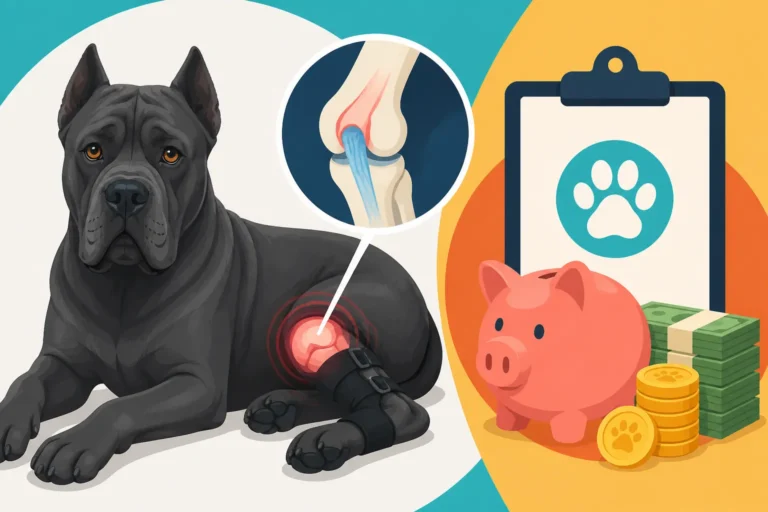
What a Retired Cane Corso Brood Bitch Costs
Bringing an older dog into your home, especially one with a specific background like a retired Cane Corso brood bitch, is a truly commendable act, but it comes with its own unique set of considerations and, yes, financial commitments. Many people assume that rehoming an older dog means it will be "free" or significantly cheaper, only to be surprised by the actual costs involved in giving one of these magnificent, experienced ladies the golden years she deserves. This guide will meticulously break down the various financial and practical aspects you need to anticipate when considering what a retired Cane Corso brood bitch truly costs, beyond just the initial adoption fee.
Understanding the Appeal of a Retired Brood Bitch
The idea of bringing a retired Cane Corso brood bitch into your family is incredibly appealing to many, and for very good reason. These dogs have often lived a life of purpose, contributing to the continuation of their magnificent breed, and now they deserve a comfortable, loving retirement. However, it's vital to understand what that entails, both in terms of the rewards and the responsibilities.
Why Choose a Retired Female?
There's a special charm and often an unexpected ease that comes with adopting an older dog, particularly a retired female Cane Corso. Unlike puppies, who are a whirlwind of unpredictable energy and endless training needs, a mature dog often arrives with a more settled temperament. Many retired brood bitches have spent their lives in a home environment, even if that home was primarily focused on breeding. This means they often come house-trained, understand basic commands, and have a more predictable personality. You bypass the destructive puppy phase, the constant house-training accidents, and the intense, round-the-clock supervision that a young Cane Corso puppy demands.
Furthermore, a breeder usually has a comprehensive history of the dog's health, temperament, and even her quirks. You'll know if she's good with other dogs, if she tolerates children (if she's been around them), and what her general disposition is like. This transparency is invaluable, as it allows you to choose a dog that truly fits your lifestyle and existing household dynamics. It’s a bit like getting a well-written resume for your new family member, rather than taking a complete gamble on an unknown quantity. The emotional reward of giving a devoted dog a soft landing after her working years is immeasurable.
The Breeder's Perspective on Rehoming
For responsible breeders, rehoming a retired brood bitch is not a decision taken lightly; it's often a deeply emotional process. These females are integral parts of their family and breeding program for several years, forming strong bonds. However, a breeder's capacity is finite, and they often want their retired girls to experience life as a cherished pet, not just one of many dogs in a busy kennel environment. The goal is always to find the absolute best, most loving "forever home" where she can truly shine as an individual companion.
This is why breeders typically have a rigorous vetting process for potential adopters. They'll want to know about your living situation, your experience with large breeds, your family composition, and your overall lifestyle. They might ask for references or even conduct a home visit. This isn't about being intrusive; it's about ensuring a perfect match and a smooth transition for their beloved dog. They are often looking for specific qualities in a new owner – patience, a quiet environment, and a commitment to continued care and love. The rehoming fee, when there is one, helps cover some of the breeder's costs for her lifetime of care and preparation for her new home, and it also serves as a screening tool, ensuring serious commitment from the adopter.
What "Retired Brood Bitch" Really Means
When you hear the term "retired brood bitch," it paints a specific picture, and it's important to understand the realities behind it. This isn't just an "older dog"; it's a female who has likely dedicated several years of her life to motherhood. She has carried, delivered, and nursed multiple litters of Cane Corso puppies. This takes a toll, both physically and emotionally. Her body might show the signs of repeated pregnancies and lactation, even if subtle. She might have had a C-section or two, or perhaps developed issues like loose eyelids from hormone fluctuations, which can sometimes lead to conditions like Entropion in a Cane Corso's Lower Lid or The Sagging Lower Lid on a Cane Corso.
Emotionally, her primary focus during her breeding years was often on her puppies, and while she was certainly loved and cared for, her personal "pet" journey might have been secondary. This means she might need a little extra time and patience to adjust to being the sole focus of affection. She might not have been exposed to as many diverse environments or social situations as a pet dog might have been. She might be less socialized to strangers or other dogs outside her immediate breeding family. Understanding this background is crucial for managing expectations and providing her with the specific type of care and attention she needs to thrive in her new role as a beloved family member.
Initial Costs and Acquisition
So, you've found a wonderful, responsible breeder with a retired Cane Corso brood bitch looking for a new home. That's fantastic! But before you bring her home, there are several initial costs you absolutely need to factor into your budget. This isn't just about the "price tag" itself; it's about the entire process of getting her settled and ensuring her immediate well-being.
The "Adoption Fee" or Purchase Price
Unlike the cost of a Cane Corso puppy, which can range significantly based on pedigree, health testing, and breeder reputation, a retired brood bitch usually comes with what's often referred to as a "rehoming fee" or a modest purchase price. This fee is rarely equivalent to the initial cost of a puppy, which can easily be several thousand dollars for a well-bred Cane Corso. Instead, the fee for a retired brood bitch typically reflects the breeder's desire to ensure a committed home and to recoup some of the considerable investment they've made in her health, care, and breeding career over the years.
Think of it this way: a responsible breeder has invested in her high-quality food, veterinary care, health clearances like Hips and Elbows a Cane Corso Must Be Cleared On and The Cardiac Exam Behind a Cane Corso's Clearance, genetic testing, and daily care for her entire life. This fee helps cover a fraction of those expenses and, more importantly, acts as a barrier to impulse buyers or those not truly prepared for the commitment. It's not a profit-making venture at this stage; it's about securing her future. You might find this fee ranges from a few hundred to over a thousand dollars, depending on the dog's age, health, and the breeder's specific rehoming policies. It’s a serious financial commitment, but a necessary one to ensure a secure transition.
Transport and Transition Expenses
Once you've committed to adopting a retired brood bitch, you need to consider how she's going to get to you and the immediate expenses upon her arrival. If the breeder is not local, transportation can be a significant cost. This might involve driving a considerable distance yourself, arranging for a professional pet transport service, or even flying her, though flying a large breed like a Cane Corso requires very specific arrangements and can be quite costly. The size and weight of a Cane Corso mean that standard airline cargo rates are often higher, and many airlines have breed or temperature restrictions, making ground transport a more common and often safer option.
Upon arrival, the first stop should ideally be a comprehensive veterinary check-up with your own trusted vet. Even if the breeder provides extensive health records, a fresh set of eyes on her can help establish a baseline for her health in your care. This initial vet visit will likely include a full physical exam, bloodwork, fecal tests, and possibly vaccinations or deworming, depending on what the breeder has recently done. These initial vet bills can easily add up, ranging from a few hundred dollars or more, especially if any minor issues are discovered that require immediate attention. It’s part of the essential due diligence of bringing any new dog into your home, especially one who has completed a demanding chapter of her life.
Preparing Your Home for a Mature Cane Corso
Bringing a hundred-pound dog into your home requires more than just clearing a spot on the couch. You need the right gear and to make some practical adjustments to ensure her comfort and safety. For a large, mature Cane Corso, a sturdy, appropriately sized crate is essential, even if she won't be crated all the time. This provides her with a safe den, aids in house-training refreshers, and can be a comfort during the initial adjustment period. A large, orthopedic bed is also a must, especially for an older dog whose joints have seen some wear and tear. You can often find excellent options for beds and crates on sites like Chewy, which cater to giant breeds.
Beyond the basics, consider specialized equipment. Will she need a ramp to get into your car or onto your bed if she's allowed on furniture? Older dogs, particularly large ones, can struggle with jumping, and providing a ramp can protect her joints. You'll also need a heavy-duty leash and collar or harness, suitable for a powerful dog who might still have some pulling strength, even in her later years. Factor in the cost of high-quality food bowls, enrichment toys designed for strong chewers, and potentially baby gates to manage her access to certain areas of the house during her transition. These preparatory expenses, though seemingly small individually, can quickly accumulate to several hundred dollars.
Ongoing Health and Wellness Costs
The decision to adopt a retired Cane Corso brood bitch is a long-term commitment, and a significant portion of that commitment will be financial, centered around her ongoing health and wellness. As these dogs age, just like people, their needs evolve, and proactive care becomes even more critical.
Addressing Potential Health Concerns
A retired brood bitch, by definition, is no longer a young dog. While Cane Corsos are generally robust, a lifetime of breeding can sometimes predispose them to certain conditions, or simply bring age-related issues to the forefront. You might encounter things like Heart Disease in a Middle Aged Cane Corso, which requires regular veterinary monitoring and potentially medication. Joint issues, such as arthritis, are also very common in large, older breeds, especially those who have carried multiple litters. This could necessitate ongoing joint supplements, anti-inflammatory medications, or even therapies like hydrotherapy or acupuncture.
Dental health is another common area of concern for older dogs. Years of kibble or chewing, or simply genetics, can lead to tartar buildup, gum disease, or even broken teeth, often requiring professional dental cleanings under anesthesia. Additionally, older dogs are more prone to certain types of tumors, both benign and malignant, which require vet attention, biopsies, and potentially surgical removal. For all these reasons, having a financial buffer for unexpected veterinary care is not just advisable, it's essential. Exploring pet insurance options from providers like Healthy Paws can be a wise move, though it's important to understand what might be considered a pre-existing condition for an older dog.
Nutrition Tailored for a Senior Cane Corso
The nutritional needs of a retired brood bitch are vastly different from those of a growing puppy or an active adult. As dogs age, their metabolism slows down, they may become less active, and their digestive systems can become more sensitive. Therefore, investing in a high-quality senior-specific dog food is paramount. These formulas are typically lower in calories to prevent unhealthy weight gain, higher in fiber for digestive health, and often include joint-supporting ingredients like glucosamine and chondroitin.
Some owners opt for fresh food diets or subscription services like Ollie, which can be tailored to a senior dog's specific caloric and nutritional requirements, and may be easier on their digestion or more palatable for dogs with dental issues. Whichever route you choose, the cost of feeding a hundred-pound Cane Corso, especially with premium ingredients or specialized diets, can be substantial. Expect to spend a notable portion of your monthly budget on her food. Furthermore, she may benefit from specific supplements, such as fish oil for coat and joint health, or probiotics to aid digestion, adding another layer to your regular expenses.
Routine Veterinary Care for an Aging Molosser
For an older Cane Corso, routine veterinary care shifts from prevention of puppy diseases to monitoring and managing age-related changes. Instead of just an annual check-up, your vet might recommend more frequent visits, perhaps every six months, to catch any emerging issues early. These visits will likely include senior bloodwork panels to check kidney and liver function, thyroid levels (which can change in older dogs, leading to conditions like Hypothyroidism in a Middle Aged Cane Corso), and a urinalysis.
These diagnostic tests are crucial for detecting problems before they become severe and more expensive to treat. Regular weigh-ins and body condition scoring are also important to ensure she maintains a healthy weight, as obesity can exacerbate joint problems and other health issues. Don't forget routine parasite prevention – monthly heartworm medication and flea/tick preventatives are ongoing expenses that are non-negotiable for her health. While these are preventative measures, they are vital for her quality of life and can save you from much larger veterinary bills down the line. It's about providing consistent, attentive care to keep her comfortable and happy in her golden years.
Behavioral and Training Considerations
Adopting a retired Cane Corso brood bitch isn't just about managing her physical health and financial needs; it's also about understanding and supporting her emotional and behavioral adjustment. She's leaving a familiar environment, a routine she's known for years, and possibly the only life she's ever truly experienced as an individual dog.
Adjusting to a New Home Environment
Imagine being uprooted from everything you've ever known and dropped into a completely new world with new sights, sounds, and smells. That's essentially what a retired brood bitch experiences when she comes to your home. This transition can be stressful for any dog, and a mature Cane Corso may take weeks or even months to fully settle in. During this time, she might display behaviors that are out of character, such as anxiety, house-training accidents, or being withdrawn. Patience and a consistent, predictable routine are your best allies here.
Providing her with a quiet, secure space of her own, like a crate or a dedicated room, where she can retreat and feel safe is crucial. Avoid overwhelming her with too many new experiences or visitors initially. Let her explore her new surroundings at her own pace. Her past life as a brood bitch means she might have a high pain tolerance or be less demonstrative of discomfort, so subtle cues need to be observed closely. Her comfort in her new surroundings will directly impact her overall well-being and how quickly she integrates into your family.
Potential Behavioral Quirks from a Breeding Life
A life focused on breeding, while cared for, might not have provided the same breadth of socialization and individual attention as a typical pet dog's life. This can lead to certain behavioral quirks you might need to address with patience and positive reinforcement. For instance, she might not be used to being the only dog getting attention, or she might have learned to guard resources, like food or toys, from her puppies or other dogs in a kennel setting. These behaviors, while natural given her history, will need gentle guidance to adjust to a pet home.
Similarly, her exposure to the outside world might have been limited. Loud noises, busy streets, or even novel objects in the home could be frightening or confusing for her. She might not have had extensive walks or outings, impacting her leash manners or confidence in public. Addressing these areas might involve working with a professional dog trainer experienced in force-free, positive reinforcement methods. It’s also important to be aware of how A Cane Corso Meeting Guests at the Front Door might differ from a typical pet dog, as her guardian instincts might be more pronounced, or her social skills less refined with strangers.
Continuing Training and Enrichment
Even a mature, retired Cane Corso benefits immensely from ongoing training and mental enrichment. This isn't necessarily about teaching her complex tricks, but rather reinforcing good manners, building confidence, and strengthening the bond between you. Simple obedience cues, polite leash walking, and responding to her name are all valuable. Since she's likely past the intense physical demands of her younger years, focus on activities that engage her mind without overtaxing her body.
Scent work games, puzzle toys, and short, gentle sniff walks can provide excellent mental stimulation and satisfy her natural instincts. This continued engagement helps prevent boredom, which can lead to destructive behaviors, and keeps her mind sharp. It’s also a wonderful way to build trust and communication. Remember, a Cane Corso, even a senior one, is an intelligent and powerful dog, and providing her with appropriate outlets for her energy and intellect is crucial for her overall happiness and adjustment to her new life. You may find that Ninety Minutes a Day and a Cane Corso's Mind is still a good guideline for mental and light physical activity, even for an older dog.
Here’s a quick overview of the key differences to consider:
| Feature | Cane Corso Puppy (8-16 weeks) | Retired Brood Bitch (5+ years) |
|---|---|---|
| Initial Cost | Higher (often $1,500 – $5,000+) | Moderate rehoming fee (e.g., $500 – $1,500) |
| Temperament | Undetermined, high energy | More settled, known personality |
| House-training | Requires intensive training | Often house-trained, may need refreshers |
| Socialization Needs | Critical, intensive exposure needed | May require remedial, gentle exposure |
| Health History | Parents' clearances, potential for unknowns | Extensive records, age-related issues more common |
| Training Needs | Basic obedience, manners, bite inhibition | Reinforcement, confidence building |
| Physical Activity | Short bursts, controlled exercise | Moderate, gentle walks, mental games |
| Immediate Vet Needs | Vaccination series, deworming, spay/neuter | Comprehensive senior check-up, spay (if not already) |
| Time Commitment | Very high for active supervision | High, for adjustment and gentle care |
| Emotional Reward | Watching growth, shaping behavior | Providing peaceful retirement, profound gratitude |
Choosing to open your heart and home to a retired Cane Corso brood bitch is a truly special endeavor. It means providing a soft landing for a dog who has given much of her life to the breed, and in return, you'll gain a loyal, loving companion who will undoubtedly enrich your life in countless ways. While the costs and challenges are real, the immense satisfaction of giving an experienced lady her golden years makes it all worthwhile.
Disclaimer
This article is for general informational purposes only and does not constitute professional advice. Laws, prices and regulations vary by location and change over time. Consult a qualified professional for guidance on your specific situation.