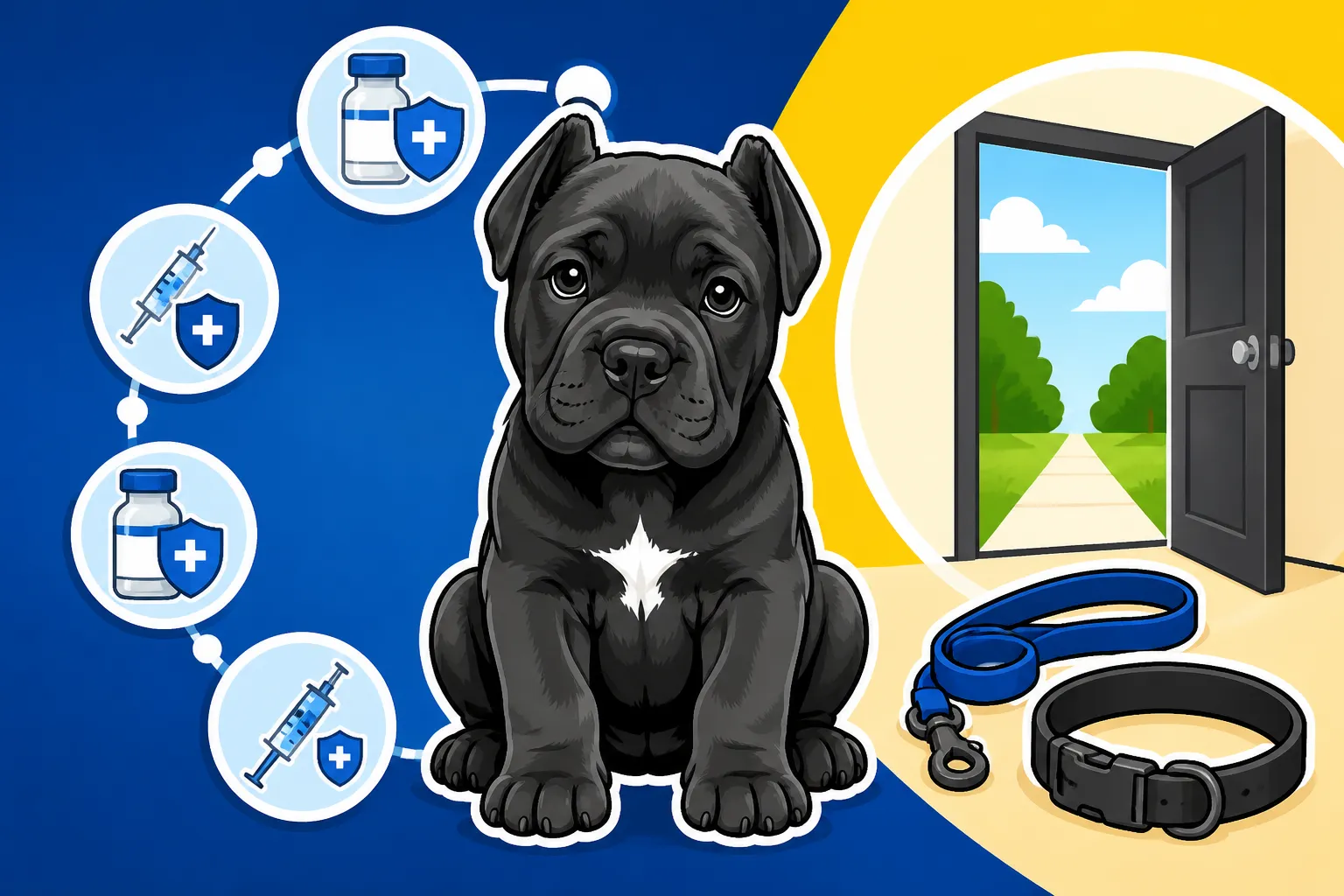
The Shot Schedule Before a Cane Corso Puppy Goes Out
Bringing home a Cane Corso puppy is an exhilarating experience, but it often comes with a heap of worry. You want to introduce your magnificent new family member to the world, exploring parks and meeting new people, yet there's that nagging fear of exposing them to serious illnesses before they're fully protected. Navigating the complex world of puppy vaccinations and understanding when it's truly safe to venture out can feel overwhelming, leaving many owners feeling stuck. This comprehensive guide will demystify the essential shot schedule for your Cane Corso puppy, helping you understand each vaccine's importance and providing clear guidance on safe socialization practices until they're fully ready to embrace the world.
Understanding Your Cane Corso Puppy's Developing Immunity
When your Cane Corso puppy first arrives home, they're not a blank slate immunity-wise. They've actually received a crucial initial layer of protection from their mother through her colostrum – the first milk. These are called maternal antibodies, and they're like tiny, temporary bodyguards, shielding your pup from many common diseases. This is nature's incredible way of giving newborns a head start.
The Critical "Immunity Gap"
Here’s where it gets a little tricky, and it's a frustration many new owners grapple with. While maternal antibodies are wonderful, they don't last forever. As they gradually wane, there's a window of time, often between 8 and 16 weeks of age, where their protection isn't strong enough to fight off disease, but it's still present enough to interfere with a vaccine's ability to stimulate your puppy's own immune system. This period is known as the "immunity gap." It's a vulnerable time where your puppy isn't fully protected by either maternal antibodies or their vaccinations, making them susceptible to serious illnesses like parvovirus. This is precisely why a series of vaccinations, or boosters, are necessary, given several weeks apart, to catch your puppy's immune system at just the right moment.
Why Boosters Are Non-Negotiable
You might wonder why one shot isn't enough, or why you have to keep going back to the vet for seemingly the same vaccine. It all comes back to that immunity gap. Since we can't precisely know when a puppy's maternal antibodies will drop to a level that allows a vaccine to be fully effective, veterinarians administer a series of shots. Each subsequent booster aims to hit that sweet spot, ensuring that even if previous shots were "blocked" by lingering maternal antibodies, at least one in the series will successfully kickstart your Cane Corso's own long-lasting immunity. Missing one of these crucial boosters can leave your puppy dangerously unprotected, effectively nullifying the protection gained from earlier shots and leaving them vulnerable.
The Essential Core Vaccination Schedule
For your Cane Corso puppy, there are several core vaccines that every reputable veterinarian will recommend, regardless of your lifestyle or geographic location. These protect against diseases that are widespread, highly contagious, and often fatal.
DHPP/DA2PP: The Multi-Protection Shot
This vaccine is a combination shot that protects against Distemper, Adenovirus (Hepatitis), Parvovirus, and Parainfluenza. It's often referred to simply as the "distemper combo" or "puppy shots."
- Distemper: A severe and often fatal viral disease that affects the respiratory, gastrointestinal, and nervous systems. Symptoms range from coughing and fever to seizures and paralysis. It’s highly contagious.
- Adenovirus (Hepatitis): Canine infectious hepatitis is a liver disease that can cause fever, vomiting, and even sudden death.
- Parvovirus: Perhaps the most feared puppy disease, parvovirus is a highly contagious and often deadly illness that causes severe vomiting, diarrhea, and dehydration. Puppies are particularly vulnerable, and the virus can live in the environment for extended periods. This is often the primary concern for owners asking when their puppy can go out.
- Parainfluenza: A respiratory virus that contributes to kennel cough.
The typical schedule for the DHPP/DA2PP vaccine for a Cane Corso puppy usually looks like this:
- First dose: 6-8 weeks of age
- Second dose: 9-11 weeks of age
- Third dose: 12-14 weeks of age
- Fourth dose: 16 weeks of age (crucial for ensuring full parvovirus protection, especially in large breeds like Cane Corsos)
- Boosters: Annually or every three years, depending on your veterinarian's protocol and the specific vaccine used.
Your vet might adjust this slightly based on the prevalence of disease in your area or the puppy's individual health. Always follow their specific advice.
Rabies: The Legally Mandated Protection
Rabies is a viral disease that is almost always fatal once clinical signs appear, affecting the brain and spinal cord. It can be transmitted to humans and is a public health concern, which is why vaccination is legally required in most places.
- First dose: Typically given at 12-16 weeks of age. Some states require it by a specific age, so check your local regulations.
- Boosters: Usually one year after the initial vaccine, then every one to three years, again, depending on local laws and the vaccine product used. This is a critical vaccine, not just for your Cane Corso's health but for legal compliance and public safety.
Here’s a simplified table outlining the general core vaccination schedule for your Cane Corso puppy:
| Vaccine Type | First Dose (Age) | Subsequent Boosters (Age) | Important Notes |
|---|---|---|---|
| DHPP/DA2PP | 6-8 weeks | 9-11 weeks, 12-14 weeks, 16 weeks | Critical for protection against highly contagious and often fatal diseases. Series completion is vital. |
| Rabies | 12-16 weeks | 1 year later, then every 1-3 years | Legally mandated in most areas due to public health risk. |
Beyond Core Vaccines: Additional Protections
While core vaccines are universal, there are also non-core vaccines that your veterinarian might recommend based on your Cane Corso's lifestyle, environment, and potential exposure risks. These are often just as important for maintaining your pup's health if they fit certain criteria.
Leptospirosis: A Bacterial Threat
Leptospirosis is a bacterial disease spread through the urine of infected wildlife (like raccoons, deer, rodents) and can contaminate water sources like puddles, ponds, or muddy areas. It can cause severe kidney and liver damage and is also a zoonotic disease, meaning it can be transmitted to humans.
- Recommendation: Highly recommended for Cane Corsos who spend time outdoors, in rural areas, hiking, or have access to standing water.
- Schedule: Initial series usually consists of two doses, 2-4 weeks apart, starting around 12 weeks of age.
- Boosters: Annually.
Bordetella (Kennel Cough): The Respiratory Annoyance
Bordetella bronchiseptica is one of the primary culprits behind kennel cough, a highly contagious respiratory infection. While usually not life-threatening, it can be quite miserable for your dog and lead to secondary infections.
- Recommendation: Essential if your Cane Corso will be attending puppy classes, dog daycare, boarding, visiting dog parks, or otherwise frequently interacting with other dogs.
- Schedule: Can be given as an intranasal (nose spray) or oral vaccine (single dose, effective quickly) or an injectable (two doses, 2-4 weeks apart). Your vet will advise the best form.
- Boosters: Annually, or every six months for high-risk dogs.
Canine Influenza: Emerging Respiratory Concern
Canine influenza (dog flu) is a relatively newer respiratory disease that can cause symptoms similar to kennel cough, but can be more severe, especially in vulnerable dogs.
- Recommendation: Typically recommended for dogs in high-traffic dog environments (kennels, dog parks, shows) or in areas where outbreaks are known.
- Schedule: Initial series of two doses, 2-4 weeks apart, typically starting after 8 weeks of age.
- Boosters: Annually.
When considering these non-core vaccines, have an open conversation with your vet about your lifestyle, where you live, and what activities you plan to do with your Cane Corso. They can help you make informed decisions, considering factors like potential exposure and the overall health of your puppy. Having a robust pet insurance plan from a provider like Healthy Paws can also offer significant peace of mind for covering unexpected illnesses or injuries, whether related to vaccine-preventable diseases or not.
Safe Socialization Strategies Before Full Vaccination
This is perhaps the biggest dilemma for new Cane Corso owners. You've been told how critical early socialization is for this breed's temperament, but you're also terrified of exposing them to illness. It's a valid concern, but there are absolutely safe ways to introduce your puppy to the world before their final shots. The key is controlled exposure. A well-socialized Cane Corso is a joy to live with, so don't skip this step out of fear, just do it smartly.
The Importance of Early Socialization for Cane Corsos
For a powerful guardian breed like the Cane Corso, the socialization window—roughly from 3 to 16 weeks—is paramount. During this time, puppies are most receptive to new experiences and form lasting impressions of the world. Missing this window can lead to fear, reactivity, or aggression later in life, which can be particularly challenging to manage in a large, strong dog. While waiting until your puppy has completed "The Shot Schedule Before a Cane Corso Puppy Goes Out" for full public outings, controlled and safe exposures are vital.
Controlled Environments and Known Healthy Dogs
Your home and the homes of trusted friends and family are excellent places for early socialization. Invite over people who are calm and dog-savvy. Ensure they understand how to interact appropriately with a puppy – no overwhelming or roughhousing.
- Puppy Classes: Many reputable puppy schools offer "puppy kindergarten" classes specifically designed for young puppies who haven't completed their full vaccine series. These classes usually require at least one set of puppy shots, and the facilities are typically sanitized regularly. The benefit of structured, positive exposure to other puppies and people in a safe environment far outweighs the minimal risk. Ask your vet about local recommendations.
- Known, Vaccinated Adult Dogs: Arrange playdates with adult dogs that you know are fully vaccinated, healthy, and have a good temperament. Ensure these interactions are supervised and positive. Your puppy can learn so much from polite adult dogs.
Observing the World From a Distance
Not every socialization experience needs to be hands-on or nose-to-nose. Much of what your Cane Corso needs to learn about the world can be observed from a safe distance.
- Car Rides: Simply taking your puppy for car rides to different locations can expose them to new sights, sounds, and smells without direct contact. Drive to a busy shopping center, a park, or even just around town. Let them watch the world go by from the safety of your vehicle.
- Carrying Your Puppy: Until your Cane Corso puppy is fully vaccinated, consider carrying them in a sling or a sturdy bag in public places. This allows them to experience the hustle and bustle of a hardware store, a pet-friendly cafe, or a bustling street without touching the ground where viruses might linger. This is especially true for places where you wouldn't necessarily want them greeting other dogs, as detailed in "Why a Cane Corso Should Meet People Without Greeting Them." This also gives them exposure to different surfaces and noises, which is critical.
- Observation Spots: Take your pup to a park and sit on a bench with them in your lap or a clean blanket on the ground (away from high-traffic dog areas). Let them watch children playing, people walking, and cars driving by. The goal is positive exposure to novel stimuli, associating these experiences with safety and calm, not fear.
Home-Based Socialization and Enrichment
Don't forget the importance of continued socialization within your home environment, especially if your puppy cannot be outdoors often.
- Exposure to Sounds and Objects: Play various sounds (city noises, thunderstorms, vacuums) at a low volume. Introduce different textures for them to walk on (rugs, tiles, grass in your yard).
- Handling: Regularly handle your puppy's paws, ears, mouth, and tail. This makes vet visits, grooming, and nail trims (especially important for a large breed) much easier down the road. This also helps with issues like "The Cane Corso That Stops Biting Hands."
- Puzzle Toys and Training: Keep your puppy mentally stimulated with puzzle toys and short, positive training sessions. A bored Cane Corso can quickly become destructive, as you might discover if they stay cooped up and engage in "The Damage a Bored Cane Corso Does Indoors." Engaging their minds builds confidence and strengthens your bond.
Always prioritize hygiene during this period. Wash your hands thoroughly after being in public places or interacting with other animals before handling your puppy. Avoid dog parks, pet stores, or any areas with high dog traffic until your vet gives the all-clear, typically a week or two after their final 16-week booster. If you're unsure about "Socializing a Cane Corso Puppy Before Its Shots Finish," always consult your veterinarian for tailored advice for your specific situation and location. Early care and appropriate vetting are foundational for your Cane Corso's long-term well-being, influencing everything from their socialization to their overall health and longevity, a topic explored further in "The 9.3 Year Median From the Cane Corso Longevity Study."
Disclaimer
This article is intended for informational purposes only and does not constitute veterinary advice. Always consult with a qualified veterinarian for any health concerns or before making any decisions about your Cane Corso's health or vaccination schedule. Individual situations may vary, and professional guidance is essential.