Saying Goodbye to a Hundred Pound Cane Corso
The day you realize your magnificent, hundred-pound Cane Corso, your shadow and protector, is nearing the end of their journey is absolutely heart-wrenching. It’s a moment filled with dread, grief, and an overwhelming sense of responsibility to ensure their final days are as peaceful and pain-free as possible. This guide is here to walk you through that incredibly difficult path, offering realistic advice and support as you prepare to say goodbye to your cherished companion.
Recognizing When Your Cane Corso's Quality of Life Has Diminished
It's one of the hardest things we face as Cane Corso owners: understanding when our strong, stoic companions are no longer truly living, but merely existing. Their immense capacity for enduring discomfort can sometimes mask their suffering, making it crucial for us to be hyper-aware of subtle changes in their behavior and physical state. They can't tell us in words, so it's up to us to read their unspoken signals.
Signs of Declining Well-being and Comfort
Your Cane Corso, much like any large breed, will show signs of aging, but a decline in quality of life goes beyond just slowing down. You might notice them struggling to do things they once loved. Perhaps they used to greet you at the door with a vigorous tail wag, and now they just lift their head, their eyes looking tired. A loss of interest in food, toys, or even interaction with family members is a huge red flag. A Cane Corso who used to devour their meals might pick at it, or outright refuse it. That zest for life, that inherent "Corso spark," starts to dim.
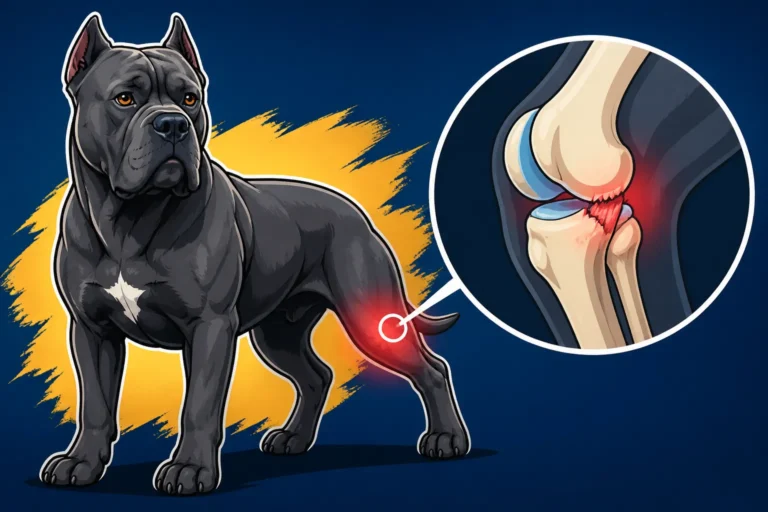
Mobility issues are particularly challenging with a dog of their size. It’s one thing for a small dog to struggle to get up, but a hundred-pound Cane Corso collapsing or requiring immense effort just to stand can be heartbreaking to watch. You might find yourself having to assist them constantly, a task that becomes physically demanding for both of you. Issues like chronic pain, even with medication, can lead to reluctance to move, inability to find a comfortable resting position, or crying out when touched. Incontinence, while sometimes manageable, can significantly impact their dignity and your ability to keep them clean and comfortable, especially as they struggle to get outside in time. Regularly check in on their ability to manage stairs, get into a car, or even just move freely around the house. Consider if their orthopedic beds rated for a Cane Corso's weight are still providing sufficient comfort. When a Cane Corso starts dragging its back feet, for example, it's a clear indicator of neurological or severe orthopedic decline.
Chronic health problems, like recurring infections, persistent vomiting or diarrhea, or difficulty breathing, also chip away at their quality of life. It’s not just about one bad day; it’s about a pattern of more bad days than good. The joyful moments become fewer and further between, overshadowed by discomfort or lethargy. As a general benchmark, many owners note that what changes in a Cane Corso after its eighth birthday can be a rapid decline.
Consulting with Your Veterinarian for an Objective Assessment
This is where your trusted veterinarian becomes an invaluable partner. It's incredibly difficult to be objective when it comes to a beloved family member. Your vet can provide a crucial, unbiased perspective on your Cane Corso's overall health, pain levels, and prognosis. Don't hesitate to schedule an appointment specifically to discuss quality of life, not just for treatment of an acute issue. Be prepared to be honest about what you're seeing at home. Describe their daily routine, their eating habits, their mobility, and their general demeanor.
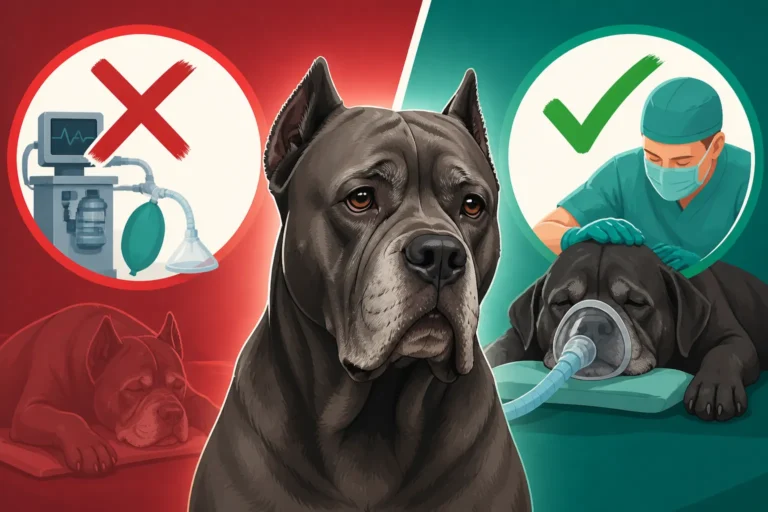
Your vet might suggest further diagnostics, such as x-rays to assess joint pain, bloodwork to check organ function, or even refer you to a specialist. For instance, what senior bloodwork shows on a Cane Corso can reveal underlying conditions that are treatable, or confirm a progressive illness that isn't. Sometimes, simply managing arthritis in a hundred-pound Cane Corso more aggressively can buy them a few more comfortable months. They might introduce new medications or suggest palliative care strategies to maximize comfort. It’s also a good time to ask about options like Whether an Old Cane Corso Should Go Under Anesthesia for minor procedures if their overall health is declining.
A quality of life scale, which many vets use, can be a helpful tool. It's often a simple questionnaire that scores various aspects of your dog's life, such as pain, appetite, hydration, hygiene, happiness, mobility, and how many good days they have versus bad days. This can help you visually track their decline and provide some objective data to support your emotional observations.
Making the Unimaginable Decision for Your Beloved Cane Corso
The decision to euthanize is perhaps the most profound and painful choice an animal owner will ever make. It feels like playing God, yet it is also the ultimate act of compassion, sparing our loyal companions from prolonged suffering when all other options have been exhausted. No one wants to make this call, but when your Cane Corso is truly telling you it's had enough, it becomes your sacred duty.
The Emotional Toll and Navigating Guilt
The guilt is often crushing. "Am I doing it too soon? Could I have done more? Is this truly the right time?" These questions plague every loving owner. It's important to remember that you are making this decision out of love, not convenience. You are choosing to end their suffering, not to end their life prematurely without cause. It's an act of selflessness, taking on their pain so they no longer have to bear it.
Open communication with your family is vital. Everyone who loves your Cane Corso will be grieving, and discussing the decision together can help ensure everyone is on the same page and feels a part of this difficult process. Children, especially, need to be included in an age-appropriate way, allowing them to say goodbye and understand what is happening. This shared responsibility can ease some of the burden on any one individual. Remember that the deep bond you share with your Cane Corso means their absence will leave a massive void, and it's okay for everyone to feel that profoundly.
One helpful way to think about it is to choose one week too early rather than one minute too late. Waiting until your Cane Corso is in extreme, unmanageable pain often means you've waited too long, and their final moments are filled with distress rather than peace. Your vet can help you assess and determine when your Cane Corso is ready, and it often comes down to knowing when a Cane Corso has had enough.
Practical Considerations and Financial Preparedness
Beyond the emotional anguish, there are practical aspects to consider. You'll need to decide on the location for euthanasia: at the veterinary clinic or at home. Many owners prefer at-home euthanasia for a large dog like a Cane Corso, as it allows them to remain in their familiar surroundings, reducing stress for both the dog and the family. Companies like Lap of Love and Vet At Your Door specialize in this service, bringing comfort and peace directly to your living room. While this can sometimes be a slightly more expensive option, the peace it provides is often considered priceless.
| Aspect | At-Home Euthanasia | Clinic Euthanasia |
|---|---|---|
| Comfort for Pet | Familiar surroundings, reduced stress | Can be stressful due to unfamiliar environment/smells |
| Comfort for Owner | Private, intimate setting for goodbyes | Less privacy, potentially more clinical feel |
| Logistics | Vet comes to you, no transport of distressed pet | Requires transporting a sick/weak Cane Corso to clinic |
| Cost | Often higher due to travel fees | Generally lower, but varies by clinic |
| Aftercare Handling | Vet typically arranges transport for cremation/burial | Clinic can arrange aftercare |
| Availability | May require scheduling in advance, limited availability | Wider availability, especially for urgent situations |
You'll also need to consider aftercare. Options usually include cremation (private, where you receive their ashes back, or communal, where ashes are scattered), or burial (if local laws and your property allow). There are beautiful memorial options too, like clay paw prints, fur clippings, or custom urns. Discuss these choices with your vet or a pet memorial service provider beforehand.
Financially, end-of-life care, especially if it involves prolonged palliative treatment or specialized services like at-home euthanasia, can add up. While pet insurance typically doesn't cover euthanasia for non-accidental reasons, policies from providers like Healthy Paws can significantly help with diagnostic tests, medications, and treatments leading up to the decision. This financial support for critical care can alleviate some stress during an already traumatic time. Having a plan, and possibly a The Credit Line a Cane Corso Owner Should Arrange, can help you focus on your dog's comfort rather than unexpected costs. For example, if your Cane Corso has been struggling with a long-term illness, the costs of managing that illness with prescriptions and vet visits can be considerable, and Healthy Paws can often step in to help cover these.
The Gentle Passage: Understanding the Euthanasia Process
Once the decision is made, preparing for the actual moment can be incredibly overwhelming. Knowing what to expect, though, can help you feel more prepared and allow you to focus on your Cane Corso during their final moments.
The Euthanasia Procedure Itself
The process of euthanasia is designed to be peaceful and painless. Typically, it involves two main steps. First, your veterinarian will administer a sedative. For a large, powerful dog like a Cane Corso, this might be a slightly larger dose or a different type of sedative to ensure they are completely relaxed and comfortable. This injection will slowly and gently put them into a deep, peaceful sleep. They might get a little wobbly, sigh, or close their eyes. This step is crucial for minimizing any anxiety or discomfort. During this time, you'll have a chance to cuddle them, speak softly to them, and tell them how much you love them, ensuring they are surrounded by familiar scents and sounds.
Once they are deeply sedated and unresponsive, the veterinarian will administer the final injection. This is usually an overdose of an anesthetic called pentobarbital, which quickly and painlessly stops the heart and brain function. It’s typically given intravenously, often through a catheter placed in a leg vein. Your Cane Corso will simply drift away from the deep sleep. It happens very quickly, usually within seconds. You might feel their body relax, or hear a final breath. Sometimes, there can be involuntary muscle twitching or gasping sounds, which are just reflexes and not signs of pain or awareness. Your vet will confirm that their heart has stopped.
Many owners choose to be present throughout the entire process, holding their dog, talking to them, and being the last thing they feel and hear. This can be incredibly comforting for both you and your Cane Corso. However, it's also perfectly acceptable if you feel you cannot be present for the final injection; your vet and their team understand this intensely personal choice and will ensure your dog is never alone. The goal is always a calm, respectful, and gentle passing.
Aftercare and Memorialization
After your Cane Corso has passed, your vet will give you time to say your final goodbyes. This is a private moment for you and your family to grieve and honor your companion. You might want to take a last photograph, or simply sit with them.
Once you're ready, the vet will discuss the aftercare arrangements you've chosen. If you opted for private cremation, they will ensure your Cane Corso is respectfully transported to a pet crematorium. You will typically receive their ashes back in an urn, often with a certificate of cremation, within a week or two. If you chose communal cremation, their remains will be cremated with other pets, and their ashes scattered. For those considering home burial, ensure you understand local regulations regarding pet remains.
Many people find comfort in creating lasting memorials. This could be a paw print impression, a lock of their fur, a framed photograph, or a special stone in your garden. Some even choose to plant a tree in their honor. These physical reminders can be incredibly helpful in the grieving process, offering a tangible connection to the love you shared. The decision to commemorate your Cane Corso in a way that feels right to you is an important part of healing. You might consider an organization like Pet Honoring for unique memorial products.
Navigating the Profound Grief After Losing Your Cane Corso
The grief after losing a Cane Corso is immense, deeply personal, and often misunderstood by those who haven't experienced the bond with such a magnificent animal. It's not "just a pet"; it's a family member, a constant presence, a protector, and a source of unconditional love.
Acknowledging Your Pain and the Unique Bond
It's crucial to acknowledge the depth of your pain. Grief for a pet is a legitimate and profound form of bereavement. Don't let anyone minimize your feelings. The unique bond with a Cane Corso is particularly strong – their unwavering loyalty, their protective nature, their sheer physical presence. They're more than companions; they are an integral part of your daily life, your routine, and your emotional landscape. The quiet house, the empty spot by the door, the absence of their comforting weight leaning against you – these daily reminders can feel like a punch to the gut.
You might experience a wide range of emotions: sadness, anger, guilt, emptiness, and even physical symptoms like fatigue, loss of appetite, or difficulty sleeping. This is all normal. Give yourself permission to mourn fully. It's a natural response to such a significant loss. Understand that the process of grief isn't linear; you'll have good days and bad days, and that's okay. It’s a journey, not a destination.
Finding Support and Beginning the Healing Process
You don't have to go through this alone. Reach out to friends and family who understand your bond with animals and can offer empathetic support. There are also many pet loss support groups, both online and in person, where you can connect with others who are experiencing similar grief. Organizations like the Association for Pet Loss and Bereavement (APLB) offer chat rooms, hotlines, and resources to help you through this difficult time.
Honoring your Cane Corso's memory can also be a powerful part of the healing process. Continue to talk about them, share stories, and keep their spirit alive in your heart and home. Some people find solace in donating to a local shelter or rescue in their Cane Corso’s name, or volunteering their time to help other animals. This can transform your grief into a positive legacy.
The question of when – or if – to consider another dog is incredibly personal. There's no right or wrong answer, and no timeline for healing. Some people find comfort in adopting another dog relatively soon, while others need a long period of time to grieve before they can open their hearts again. Allow yourself the space and time you need, and trust your own instincts when it comes to the next chapter of your life. The love you shared with your Cane Corso will always be a part of you, a testament to the incredible journey you shared.
Disclaimer
The information provided in this article is for general informational purposes only and is not a substitute for professional veterinary advice. Always consult with a qualified veterinarian for any health concerns or before making any decisions about your Cane Corso's care or treatment.