Heat Stroke in a Working Cane Corso
There's nothing quite as gut-wrenching as seeing your powerful, dedicated Cane Corso struggle in the heat, especially when they're giving their all in training or work. These magnificent dogs are built for strength and endurance, but their deep chests and often dark coats make them incredibly vulnerable to overheating, which can quickly spiral into a life-threatening heat stroke. This guide will walk you through understanding why this happens, how to prevent it, and what to do if your working Cane Corso shows signs of distress.
Understanding Heat Stroke in a Working Cane Corso
When we talk about heat stroke in our Cane Corsos, we're discussing a severe, often rapidly progressing condition where their body temperature rises dangerously high, and their internal systems start to fail. It's not just "being hot"; it's a medical emergency that demands immediate attention. Unlike us, dogs don't sweat efficiently across their skin; they primarily cool themselves by panting, which becomes less effective as humidity rises or if they're working hard in stifling conditions.
The Telltale Signs of Overheating
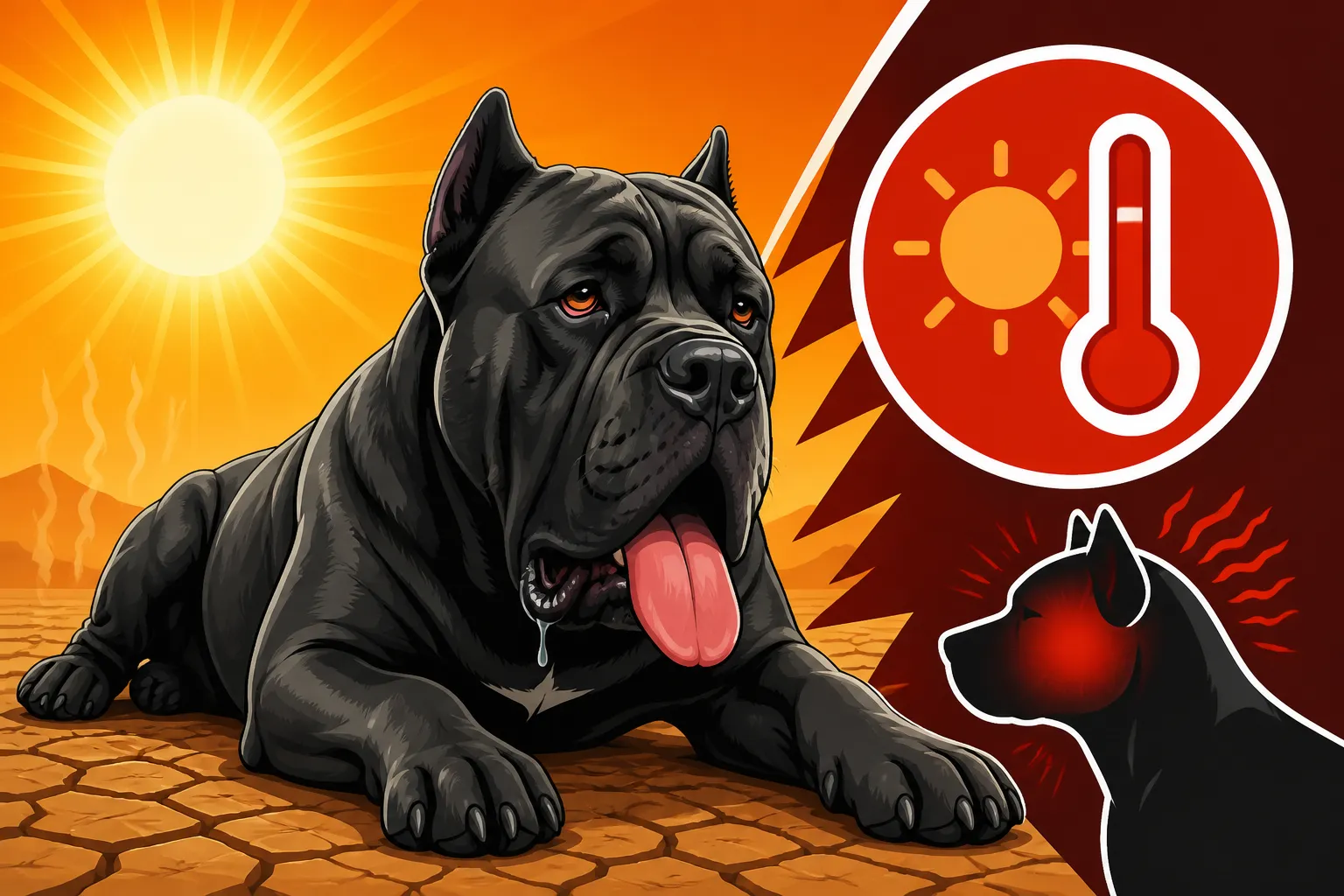
Recognizing the early warning signs is absolutely crucial, because once your Cane Corso enters full heat stroke, every minute counts. Initially, you might notice excessive panting – louder and more rapid than usual. Their gums might appear a brighter red than normal, almost brick-red. They might be drooling heavily, perhaps even thick, ropey saliva. Your dog might also seek shade desperately, lag behind, or seem a bit disoriented or wobbly on their feet. Some dogs might even try to vomit. It’s important to remember that these are not just signs of "working hard" – they are cries for help. If you're working your Cane Corso, keep a close eye on these subtle shifts in their behavior and breathing.
As the situation worsens, their panting may become even more labored, shallow, or irregular. Their gums might turn pale, bluish, or even purple as their circulation starts to fail. They could stagger, collapse, or even have seizures. Their body might feel incredibly hot to the touch, especially in their armpits or groin. At this point, irreversible organ damage is likely occurring. This rapid decline is why it's so vital to act at the first hint of trouble. If you’re ever unsure, always err on the side of caution and assume your dog is in distress.
The Dangerous Progression from Exhaustion to Stroke
Heat exhaustion is the precursor to heat stroke. It's when your Cane Corso's body is working overtime to cool itself but is starting to lose the battle. They'll be excessively hot, panting hard, perhaps showing some of the earlier signs like bright red gums and heavy drooling. If caught at this stage and cooled down effectively, they can often recover without long-term damage. This is the stage where you have a chance to intervene decisively.
However, if the dog isn't cooled down, or if the environmental conditions are too extreme, heat exhaustion quickly progresses to heat stroke. This is where the body's cooling mechanisms completely fail, and the internal temperature skyrockets, usually above 104°F (40°C). At this point, the high temperature begins to damage proteins, enzymes, and cells throughout the body. Organ systems, including the brain, kidneys, liver, and heart, start to shut down. Blood clotting can become an issue, leading to internal bleeding. This is a true emergency, and without rapid, aggressive veterinary care, it is often fatal. The difference between life and death can be mere minutes.
Why the Cane Corso's Physiology Puts Them at Risk
Cane Corsos, like many large, powerfully built breeds, are particularly susceptible to heat stroke. Their sheer muscle mass generates a lot of heat during exercise. More importantly, their deep chests, while imposing, can sometimes lead to less efficient panting compared to breeds with different conformations. While not considered a brachycephalic (short-nosed) breed, some lines might have slightly shorter muzzles which can also impede efficient heat exchange. Furthermore, many working Cane Corsos have dense coats, and darker colored dogs, like a black Cane Corso, absorb more solar radiation, making them feel the heat even more acutely. Understanding Why a Black Cane Corso Overheats First can help you prepare.
Consider a Cane Corso engaged in protection work, herding, or even just intense play in a warm environment. Their drive and dedication mean they'll often push themselves beyond their physical limits, ignoring the discomfort of overheating until it's too late. Their stoic nature, a trait we often admire, can unfortunately mask their distress until they are in a critical state. This is why owners of working Cane Corsos must be hyper-vigilant and proactive in managing their dog's exposure to heat. They are not dogs that will quit when they're tired; they will work until they drop.
Critical Prevention Strategies for Active Cane Corsos
Prevention is always, always better than cure when it comes to heat stroke. For a working Cane Corso, this means a careful balance of exercise, hydration, and environmental awareness. You want your dog to be fit and capable, but never at the expense of their health. Think of yourself as their advocate, constantly assessing the risk.
Managing Exercise in Warm Weather
When the temperatures start to climb, especially during the summer months, your exercise routine for your Cane Corso needs a complete overhaul. Avoid strenuous activity during the hottest parts of the day. This typically means early mornings and late evenings. Even then, you need to be cautious; humidity can make even moderate temperatures dangerous. Understand The Safe Hours to Walk a Cane Corso in August in your specific climate. If you plan to train, keep sessions short, intense, and interspersed with frequent, shaded rest breaks. Always prioritize quality over quantity in these conditions.
Consider the type of exercise too. Roadwork on hot asphalt can burn paws and contribute to overheating through radiated heat. Stick to grass or shaded trails. Instead of long, sustained runs, opt for shorter bursts of activity. Water work, if your Cane Corso enjoys it and it's safe, can be an excellent way to exercise while keeping cool. If you are working your Cane Corso in a trial or competition, ensure there are ample cool-down periods and shade readily available. Never assume your dog will self-regulate; their drive often overrides their discomfort.
Hydration and Cooling Techniques on the Go
Hydration is non-negotiable for a working Cane Corso, especially in warmer weather. Always carry plenty of fresh, cool water for your dog, even on short outings. Offer water frequently, not just when they seem thirsty. Some dogs benefit from having ice cubes added to their water, or even frozen treats like Kongs filled with broth or peanut butter.
Beyond drinking, active cooling techniques can be life-savers. A cooling vest, soaked in water, can help regulate core body temperature. Portable fans or misters can provide a refreshing breeze during breaks. If you're near a safe water source, allow them to wade or swim. When you stop for a break, find shade immediately. Wetting down their paws, belly, groin, and neck with cool (not ice-cold) water can rapidly lower their temperature. These are the areas where blood vessels are closest to the surface, allowing for more efficient heat exchange. Having a damp towel or an emergency cooling mat in your vehicle is a smart move for any owner with an active Cane Corso. You should also consider how to effectively cool your Cane Corso after hard work to prevent delayed overheating. For more tips, check out Cooling a Cane Corso After Hard Work.
Environmental Factors to Always Consider
It’s not just the air temperature; humidity is a silent killer. High humidity makes it impossible for dogs to cool themselves effectively through panting, as the air is already saturated with moisture. Always check the heat index, not just the temperature, before exercising your Cane Corso. If the sum of the temperature and humidity (in Fahrenheit) is over 150, reconsider any strenuous outdoor activity. For example, 80°F with 70% humidity is a much higher risk than 90°F with 20% humidity. Even if the temperature is reasonable, high humidity can be treacherous. For more specific guidelines on risk, refer to resources like the American Kennel Club or the American Veterinary Medical Association, which often provide charts on safe exercise thresholds.
Furthermore, ensure your Cane Corso has constant access to shade when outdoors. Direct sunlight adds significantly to their heat load, especially for darker coated dogs. If confined, even for a short period, ensure proper ventilation. Never, ever leave your Cane Corso in a parked car, even with the windows cracked. The internal temperature of a car can skyrocket in minutes, even on a seemingly mild day. This is one of the most common causes of heat stroke. Even seemingly minor details, like the color of the pavement they walk on, can make a difference. Prioritizing their well-being in all environmental conditions is a testament to responsible ownership.
Here's a quick comparison of heat exhaustion and heat stroke symptoms:
| Symptom | Heat Exhaustion | Heat Stroke (Severe) |
|---|---|---|
| Panting | Heavy, rapid, loud | Extreme, labored, shallow, irregular, or gasping |
| Gums | Bright red | Dark red, purple, bluish, or pale |
| Drooling | Excessive, sometimes thick | Profuse, thick, ropey, foamy |
| Energy/Coordination | Restless, seeking shade, slightly wobbly | Staggering, collapsing, seizures, unconsciousness |
| Body Temperature (Rectal) | 103°F – 104°F (39.4°C – 40°C) | Over 104°F (40°C), often 106°F – 109°F (41.1°C – 42.8°C) |
| Other | Vomiting, diarrhea, increased thirst | Vomiting with blood, bloody diarrhea, pinpoint bruising |
Emergency Response: What to Do When Heat Stroke Strikes
Despite our best efforts, sometimes things go wrong. If you suspect your working Cane Corso is suffering from heat stroke, your immediate actions are critical. Don't panic, but act swiftly and deliberately. Remember, this is a race against time to save your dog's life.
Immediate First Aid Steps for a Collapsing Cane Corso
If your Cane Corso collapses or shows severe signs of heat stroke, your first priority is to lower their body temperature. Get them to the coolest possible spot immediately – shade, an air-conditioned car, or indoors. Use cool (not ice-cold) water to douse their entire body, paying special attention to their head, neck, armpits, and groin. A garden hose works well, or even bottles of water you have on hand. Don't use ice water, as it can cause their blood vessels to constrict, actually trapping heat in their core and potentially causing shock.
While cooling, gently fan them to encourage evaporative cooling. If available, place them on a wet towel or cooling mat. Offer small amounts of cool water to drink, but don't force it, especially if they are disoriented or unconscious, as they could aspirate it. Continuously monitor their rectal temperature if you have a thermometer; your goal is to bring their temperature down to around 103°F (39.4°C). Once it reaches this point, stop active cooling to prevent hypothermia. Every second counts, so begin cooling before you even head to the vet. For further reading on preventing overheating, consider topics like The Temperature a Black Cane Corso Should Not Walk In.
When to Seek Veterinary Intervention
Even if your Cane Corso appears to recover quickly after your initial cooling efforts, they still need to see a vet immediately. Heat stroke causes damage to internal organs that might not be visible externally. The liver, kidneys, brain, and gastrointestinal tract can all suffer damage, and delayed complications are common. Your veterinarian will perform a thorough examination, including blood work, to assess organ function and check for issues like clotting abnormalities. They may administer IV fluids, medications to protect organs, and continue cooling measures if needed.
Be prepared for a potentially expensive emergency vet visit. This is where having a good pet insurance plan, like one from Healthy Paws, can be incredibly beneficial, helping to cover the costs of emergency care. While no one wants to think about these scenarios, being financially prepared for unexpected health crises like heat stroke can alleviate a significant burden during a stressful time. Prompt veterinary care is vital for minimizing long-term effects and improving your Cane Corso's prognosis. This also highlights the importance of regular preventative care, perhaps linking to The Cardiac Exam Behind a Cane Corso's Clearance or Yearly Bloodwork on an Adult Cane Corso, as underlying health issues can increase heat stroke risk.
The Long-Term Outlook After a Heat Stroke Incident
The long-term outlook for a Cane Corso after heat stroke varies greatly depending on the severity of the episode and how quickly appropriate treatment was initiated. Dogs that experience mild heat exhaustion and are promptly cooled often make a full recovery with no lasting effects. However, for those that suffer severe heat stroke, especially with prolonged elevated body temperatures or unconsciousness, the prognosis can be guarded.
Even if they survive, your Cane Corso might face lingering complications. Kidney damage can lead to chronic kidney disease, requiring ongoing management. Liver damage might impact their ability to process toxins. Neurological damage, such as from brain swelling, could result in lasting cognitive changes, seizures, or balance issues. Therefore, diligent follow-up care with your veterinarian is essential to monitor for these potential complications and to provide supportive treatment. Unfortunately, some dogs that recover from heat stroke may have a heightened sensitivity to heat in the future, making even more stringent preventative measures necessary. Understanding the risks means you must be extra careful, especially with a breed as dedicated and powerful as the Cane Corso.
Disclaimer
The information provided in this article is for educational and informational purposes only, and does not constitute veterinary medical advice. Always consult with a qualified veterinarian for any health concerns or before making any decisions related to your pet's care.