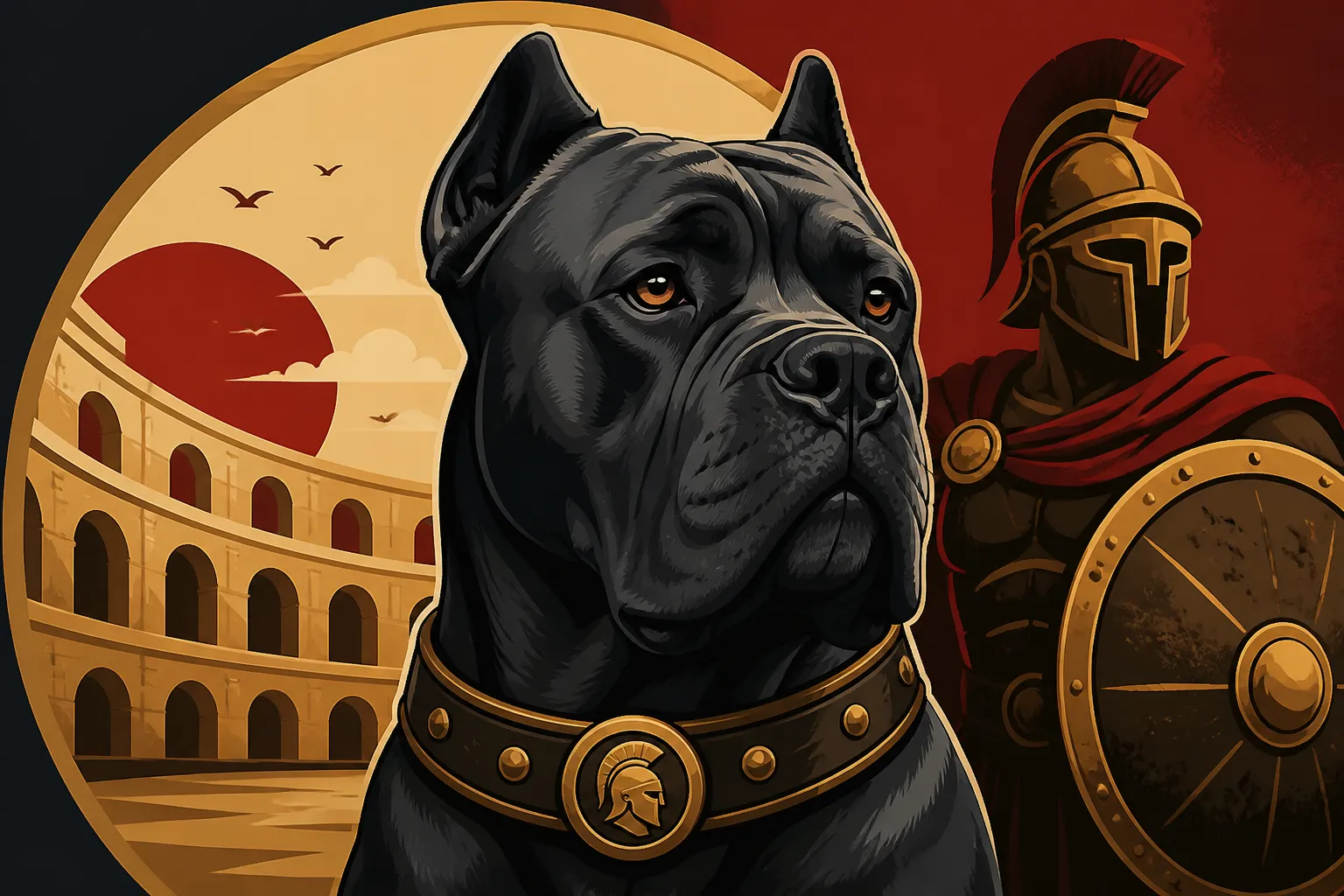
The Arena Stories Told About Roman Cane Corsos
Many people, when they first encounter the majestic Cane Corso, immediately think of ancient Rome, gladiators, and visions of powerful dogs fighting in grand arenas. This image, while incredibly dramatic, often paints a picture that's far more Hollywood epic than historical reality, leading to misunderstandings about what these magnificent dogs truly are and where they came from. This guide aims to peel back the layers of myth and reveal the actual historical context of Roman dogs, particularly those ancestral to the Cane Corso, exploring their real roles and separating the captivating arena stories from the grounded truth of their ancient lives.
The Enduring Myth of the Roman Arena Dogs
The idea of dogs battling alongside gladiators or pitted against wild animals in Roman arenas is a powerful and persistent image. It taps into our fascination with ancient spectacles and the raw power of these breeds. However, the exact nature of this participation, especially concerning the ancestors of the Cane Corso, is often sensationalized, creating a romanticized but inaccurate view of their historical purpose.
The 'Canis Pugnax' and Gladiator Games
When we talk about Roman "war dogs" or "arena dogs," the term 'Canis Pugnax' often comes up. This Latin term essentially means "fighting dog" or "pugnacious dog," and it's used to describe a broad category of powerful, large-boned dogs known to the Romans. These dogs were certainly impressive, strong, and capable, but their primary documented roles were far more practical and less theatrical than popular culture suggests. While it's conceivable that some large, formidable dogs were present at public spectacles, perhaps in a ceremonial role or even for a specific type of hunting display, the idea of them being regular combatants in gladiator-style fights or directly aiding gladiators in combat is largely unconfirmed by solid historical evidence. The focus of gladiatorial combat was on human fighters, and animal spectacles, while brutal, often involved wild beasts like lions or bears, not typically domestic dogs in direct, organized combat against humans or other animals on the scale often imagined.
Separating Historical Record from Popular Imagination
The gap between the thrilling tales we tell and the actual historical record can be vast. Our modern perception of Roman entertainment is often shaped by films, novels, and art that prioritize drama over verifiable facts. While the Romans certainly appreciated large, protective dogs, the primary documentation of 'Canis Pugnax' or similar breeds points to their use in guarding homes, livestock, and as companions to Roman legions on campaigns. They were working dogs, valued for their loyalty, strength, and protective instincts. The notion of them being consistently thrown into deadly arena battles as a form of sport, particularly for sustained fighting against trained gladiators, doesn't align with what we know about Roman dog breeding and utility. These were valuable animals, bred for specific tasks, and their owners would likely have had more practical uses for them than sacrificing them for fleeting entertainment, especially given the costs and effort involved in raising such dogs. It's more likely that the occasional mention of "fighting dogs" in an arena context refers to specific, perhaps rare, instances of animal baiting or very particular types of public hunts rather than a widespread "gladiator dog" culture.
Understanding the True Role of Roman Molossers
To truly understand the ancestors of the Cane Corso, we need to look beyond the arena and into the daily lives of the Romans. These powerful dogs, often categorized as Molossers, were integral to the functioning of Roman society, fulfilling roles that were far more about protection and utility than spectacle.
Guardians of the Villa and Farm
The core purpose of the large, robust Roman dogs, the progenitors of breeds like the Cane Corso, was deeply rooted in protection and guardianship. Imagine a sprawling Roman villa or a busy agricultural estate – these were valuable properties, often isolated, and vulnerable to theft and wild animals. This is where dogs like the 'Canis Pugnax' truly shone. They were the sentinels, the first line of defense, guarding everything from the family and their servants to the livestock and valuable crops. Their sheer size, imposing presence, and fierce loyalty made them excellent deterrents. The Roman War Dog Behind the Cane Corso wasn't just a catchy phrase; it reflected their serious duty. These dogs were relied upon to protect their domain with their lives, making them indispensable members of the household, especially in rural areas. They weren't just pets; they were vital security assets, and their effectiveness was measured by their ability to keep their charges safe.
Companions to Soldiers, Not Combatants
Another significant role for Roman Molossers was alongside soldiers. While the image of dogs charging into battle with legions is vivid, their practical use was likely more focused on guarding camps, scouting, and potentially acting as message carriers or even morale boosters. These dogs were bred for endurance and a calm, alert demeanor, traits essential for military life. They could help secure a perimeter at night, alert soldiers to intruders, and even assist in tracking. Some historical accounts mention dogs accompanying soldiers, but direct, organized combat roles for dogs, where they were actively engaged in attacking enemy soldiers on a battlefield, are rare and not indicative of their widespread military function. Instead, they provided companionship and security, fulfilling crucial support roles that allowed the human soldiers to focus on their primary duties. The bond between a soldier and his dog would have been strong, built on mutual reliance in often harsh conditions.
The Cane Corso's Lineage and Function in Ancient Italy
The Cane Corso, as we know it today, is a direct descendant of these ancient Roman Molosser dogs. Its history isn't one of gladiatorial fame, but of diligent, hardworking service to the people of Italy, especially in the rugged southern regions. Understanding The Roman Molossers the Cane Corso Descends From gives us a clearer picture of their historical truth.
Descendants of the Ancient Roman Dogs
The lineage of the Cane Corso traces back through centuries to the powerful dogs of the Roman Empire. These were not specialized arena fighters, but rather a type of robust, muscular dog known for its guarding and working capabilities. Over time, as the Roman Empire faded, these dogs adapted to the changing landscape of Italy, particularly in the rural south. They continued to be bred for their core traits: strength, intelligence, and a formidable protective instinct. The name "Cane Corso" itself, meaning "bodyguard dog" or "property guard dog" in archaic Italian, directly reflects this enduring purpose. What Cane Corso Means in Italian perfectly encapsulates their essential role. They were the dogs of the common people, the farmers, and the hunters, not the pampered elite or the sensationalized performers of public spectacles. Their survival depended on their utility, on their ability to perform the tasks asked of them day in and day out.
Practical Work on Italian Farms and Estates
The true legacy of the Cane Corso's ancestors lies in their indispensable work on Italian farms and estates. For generations, these dogs were the unsung heroes of rural life. Their duties were diverse and demanding. They guarded livestock, protecting sheep, goats, and cattle from predators like wolves and bears. They also served as vigilant protectors of the farmstead itself, deterring human intruders and acting as a living alarm system. The Farm Job the Cane Corso Was Kept For was far from glamorous, but it was essential for the survival and prosperity of the families who owned them.
Beyond guarding, these dogs were also used in activities like hunting large game, particularly wild boar, where their strength and tenacity were invaluable in tracking and holding powerful animals. They were also historically used for "driving" cattle, a task that required immense control, courage, and intelligence. This hands-on, practical work shaped the breed, reinforcing traits of loyalty, discernment, and a strong work ethic. They had to be intelligent enough to understand commands, brave enough to confront threats, and stable enough to live closely with families, including children and other animals. This deep-seated working heritage is what defines the Cane Corso, not some distant, unverified past in a Roman arena.
Why the Arena Stories Persist
Even with historical evidence pointing to a different reality, the allure of the "Roman arena dog" for the Cane Corso remains strong. There are compelling reasons why this narrative continues to captivate imaginations and influence perceptions of the breed.
The Allure of the Gladiator Image
Let's be honest, the image of a powerful, ancient dog standing defiantly in a Roman arena, maybe even alongside a gladiator, is undeniably cool. It's dramatic, it's romanticized, and it evokes a sense of ancient power and heroism. For a breed as imposing and impressive as the Cane Corso, this narrative fits perfectly with their physical appearance and perceived strength. It’s a compelling story that speaks to the breed's formidable nature and deep history, even if it's not entirely accurate. People want to connect their powerful dog to an equally powerful and legendary past, and the Roman arena provides that iconic backdrop better than the image of a dog patiently guarding sheep or chasing off a boar. The word "gladiator" just has a certain ring to it, doesn't it? It imbues the breed with a certain mystique that is hard to shake, and frankly, it sells. When considering a dog of this caliber, owners want a story that matches the gravitas of their presence.
Modern Interpretations and Breed Promotion
This romanticized view has also been perpetuated, sometimes intentionally, in modern breed promotion. Marketing materials, breeders' websites, and even casual conversations among enthusiasts often lean into the "Roman War Dog" narrative because it's effective. It highlights the Cane Corso's strength, courage, and protective instincts in a way that resonates with potential owners looking for a capable guardian. While modern breeders are generally responsible and focus on temperament and health, the historical narrative provides an appealing hook. It's much easier to imagine your dog as a descendant of arena champions than of diligent farmhands, even if the latter is closer to the truth of The Roman Word Pireferi and the Dogs It Named. This isn't necessarily malicious; it's just the power of a good story. For example, when you're browsing for a new heavy-duty collar or a durable chew toy on Chewy, it's easy to picture your Cane Corso using it with the strength of its legendary ancestors, whether those ancestors were guarding a villa or just enjoying a good bone after a long day of farm work.
What a Modern Cane Corso Inherits (and Doesn't)
While the arena stories may be largely mythical, the modern Cane Corso certainly inherits a remarkable set of traits from its Roman Molosser ancestors. These traits, however, manifest in ways far more beneficial and manageable for a contemporary household than ancient combat.
Guarding Instincts and Protective Nature
The most prominent inheritance from its ancestral lines is undoubtedly the Cane Corso's profound guarding instinct and protective nature. These aren't dogs that were merely large; they were deliberately bred to be discerning, observant, and courageous in the face of perceived threats. A well-bred Cane Corso today will naturally be territorial and protective of its family and home. This isn't aggression for aggression's sake; it's a deep-seated instinct to keep its "flock" safe, whether that's a family of humans, other pets, or the boundaries of their property. They are typically reserved with strangers, preferring to observe rather than immediately engage. This protective drive requires an owner who understands it, respects it, and is committed to proper socialization and training. What a Cane Corso's Guardian Instinct Actually Is means they need clear boundaries and consistent leadership to ensure they channel this instinct constructively. Without it, their natural tendencies can become overwhelming for an inexperienced owner, which is why Why a Cane Corso Is Not a First Dog is so often stressed.
The Importance of Responsible Breeding and Training Today
Because of their impressive size and powerful protective instincts, responsible breeding and diligent training are absolutely paramount for a Cane Corso. Good breeders prioritize stable temperaments, health, and working ability, ensuring that the puppies they produce have the best possible foundation. Once a Cane Corso puppy comes home, the real work begins. Early and extensive socialization is non-negotiable, exposing them to a wide variety of people, places, sounds, and experiences in a positive way during their critical development window. The Socialization Window a Cane Corso Puppy Gets is short and crucial.
Consistent training, ideally with a professional who understands Molosser breeds, is essential for shaping a well-mannered and confident adult dog. This includes everything from basic obedience to advanced impulse control. A Cane Corso needs a job, even if that job is just being a well-behaved family companion and property guardian. Engaging their minds with training, puzzle toys (which you can find a huge selection of on Chewy), and scent work, combined with adequate physical exercise, is key to preventing boredom and destructive behaviors. The Training Bill a Cane Corso Owner Cannot Skip isn't just about financial cost; it's about the time and dedication required to nurture a balanced dog.
Cultivating the True Cane Corso Character
Forget the dramatic tales of Roman arenas for a moment. The true glory of the Cane Corso lies in their potential to be incredibly stable, loyal, and discerning companions. Cultivating this character is a rewarding journey that focuses on nurturing their inherent qualities through thoughtful care and consistent guidance.
Nurturing a Stable and Balanced Temperament
A stable and balanced temperament is the hallmark of a well-raised Cane Corso. These dogs are inherently intelligent and deeply connected to their families. Their protective nature, when properly managed, translates into a watchful guardian who is calm and confident rather than anxious or reactive. To achieve this, consistency in routines and expectations is crucial. They thrive on knowing their place within the family structure and understanding what is expected of them. This means clear rules, consistent training sessions (even short, five-minute bursts of practice make a huge difference), and ample opportunities for appropriate mental and physical exercise. A Cane Corso that feels secure in its environment and confident in its owner's leadership is a joy to live with. They'll be reserved but polite with strangers, playful with their family, and diligent in their duty to protect. This doesn't just happen; it's built day by day, year by year, through positive reinforcement and a strong bond.
Redirecting Drive Towards Positive Outlets
The powerful drive and energy that Cane Corsos possess, which might have once been used for guarding expansive estates or hunting, needs to be channeled into positive, acceptable outlets in a modern home. Simply leaving a Cane Corso to its own devices, especially without sufficient exercise or mental stimulation, can lead to frustration, destructive chewing (even the toughest toys from Chewy won't last forever if your dog is bored), or excessive barking. What Happens to an Under Exercised Cane Corso is not pretty, and it's a frustration many owners face.
Instead, consider activities that engage both their bodies and their keen minds. Long, structured walks are a must, providing not just physical release but also opportunities for sniffing and mental engagement. Training goes beyond basic obedience; consider advanced obedience, scent work, or even rally obedience. Many Cane Corsos excel in these areas, enjoying the challenge and the strong bond it creates with their handler. For those with a working drive, activities like carting or even protection sports (with a highly reputable, ethical trainer focused on control and safety) can provide an incredible outlet. The key is to understand their natural drives – their vigilance, their strength, their intelligence – and provide them with constructive ways to express these traits, reinforcing their confidence and cementing their role as a cherished family member. This is The Structure a Cane Corso Needs Every Single Day to truly thrive.
Dispelling Common Misconceptions
Understanding the true history and nature of the Cane Corso involves more than just debunking myths; it also means addressing common misconceptions about their temperament and suitability as family dogs.
The Aggressive Dog Stereotype
Unfortunately, large, powerful breeds like the Cane Corso sometimes fall victim to unfair stereotypes, being labeled as inherently aggressive. While their protective instincts are strong, a well-bred and properly socialized Cane Corso is not typically aggressive without cause. Their discernment means they are usually reserved and watchful, not indiscriminately hostile. Aggression in any dog breed often stems from poor breeding, lack of socialization, fear, or inadequate training. With a Cane Corso, these factors are magnified due to their size and strength, making the consequences more serious. It's vital for potential owners to look beyond the stereotype and seek out reputable breeders who prioritize stable temperaments. It's also crucial for owners to commit to early and ongoing socialization and training to ensure their Cane Corso grows into a confident, well-adjusted member of society. They are not naturally "fighting dogs" in the sense of being predisposed to unprovoked aggression; they are guardians.
The Reality of Their Temperament with Family
Within their family unit, a Cane Corso can be incredibly affectionate, loyal, and surprisingly gentle. They often form deep bonds with their owners and are known for their devotion. It's common for them to be excellent with children within their immediate family, often taking on a watchful, patient role. However, their size means supervision is always necessary, especially with very young children, to prevent accidental bumps or knocks. Their protective nature also means they need clear guidance on how to interact with visitors and other animals.
The following table summarizes some key characteristics and their impact on family life:
| Characteristic | Historical Role | Modern Manifestation in Family Life |
|---|---|---|
| Protective Instinct | Guarding farms, villas, livestock | Vigilant family and home guardian; reserved with strangers; requires clear boundaries and socialization. |
| Physical Strength | Hunting, driving cattle, defense | Powerful dog requiring leash training, physical activity, and durable equipment (available from retailers like Chewy). Prone to joint issues if overweight. |
| Intelligence | Understanding complex tasks, discernment | Eager to learn, responds well to consistent training; needs mental stimulation to prevent boredom. |
| Loyalty | Bond with handler/family for work | Deeply devoted to family; thrives on strong human leadership and companionship; can develop separation anxiety if not managed. |
| Reserved Nature | Assessing threats calmly | Not overly demonstrative with strangers; calm and observant; needs gradual, positive introductions to new people and environments. |
As you can see, the traits that made them excellent workers in ancient Italy translate into a magnificent, albeit demanding, family companion today. The key is understanding these traits and committing to providing the proper environment, training, and care they need to flourish.
A Legacy of Loyalty and Guardianship
The Cane Corso's history is not defined by spectacular, bloody battles in Roman arenas, but by centuries of steadfast loyalty and diligent guardianship on the farms and estates of Italy. They are a breed forged by practical necessity, valued for their intelligence, strength, and unwavering devotion to their families and property.
Appreciating Their True Heritage
To truly appreciate the Cane Corso is to understand and respect its authentic heritage. These are not dogs bred for gratuitous aggression or to be disposable fighters. They were, and still are, working dogs. Their history is one of resilience, adaptation, and an enduring partnership with humans. From keeping wild animals at bay to protecting humble homes, their contribution to Italian life was profound. This heritage informs every aspect of the modern Cane Corso, from their imposing physical presence to their deeply ingrained protective instincts. It's a heritage built on trust, utility, and a deep understanding of their role within the human world. When we talk about The Roman Molossers the Cane Corso Descends From, we should picture them as the vigilant protectors of the domestic sphere, not theatrical combatants.
The Modern Cane Corso: A Responsible Commitment
Bringing a Cane Corso into your home is a significant commitment, one that demands respect for their lineage and a dedication to responsible ownership. It means providing comprehensive training, consistent socialization, and plenty of mental and physical stimulation. It means understanding that their protective instincts are a gift, but one that must be carefully guided and managed. It's about seeing beyond the sensational myths and embracing the reality of a noble, powerful, and deeply loyal companion. With the right foundation, a Cane Corso can be an incredible family member, a discerning guardian, and a testament to centuries of selective breeding for a truly remarkable working dog. They are a breed that truly embodies the phrase "man's best friend," particularly when that friend is entrusted with keeping hearth and home safe.
Disclaimer
This article is for general informational purposes only and does not constitute professional advice. Laws, prices and regulations vary by location and change over time. Consult a qualified professional for guidance on your specific situation.