Separation Anxiety in a Cane Corso Left in a Crate
It's incredibly frustrating and heartbreaking to come home to a distressed Cane Corso, knowing they've spent hours panicking in their crate. The damage to your home, the incessant barking that bothers the neighbors, and most of all, the guilt of leaving your powerful, intelligent dog feeling so utterly alone and abandoned, can be overwhelming. This guide is here to help you understand the nuances of separation anxiety in a crated Cane Corso, distinguish it from other issues, and arm you with actionable strategies to bring peace back to your home and your beloved companion.
Understanding Separation Anxiety Versus Crate Frustration
Before you can effectively tackle the issue, it’s crucial to understand what you’re actually dealing with. Many owners mistake general crate frustration or boredom for true separation anxiety, and while both can manifest in similar destructive behaviors, their underlying causes and, therefore, their solutions, are quite different.
The Difference: Anxiety Versus Boredom or Discomfort
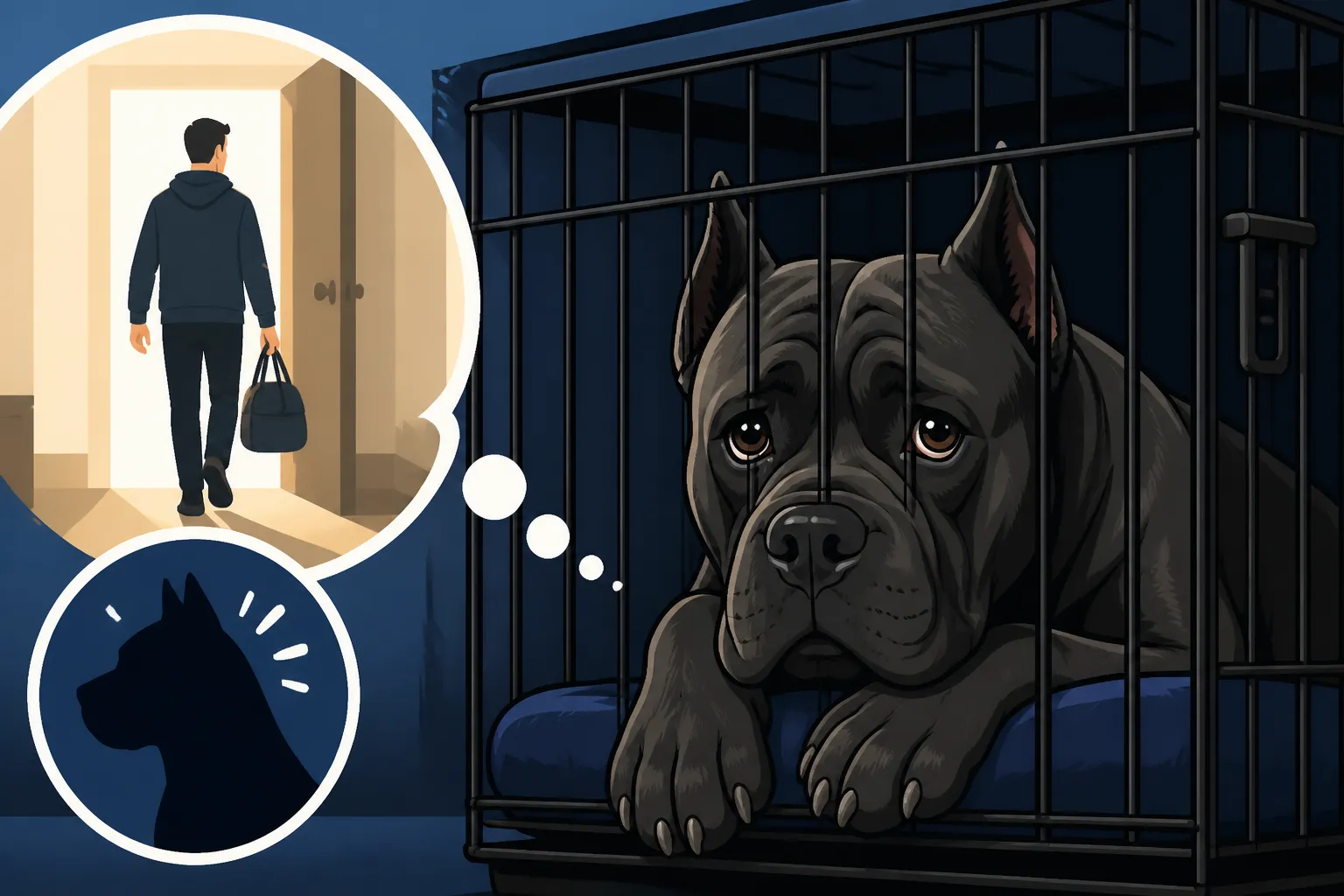
True separation anxiety is a panic disorder. It's not about your dog being naughty or trying to get back at you for leaving; it's a genuine, overwhelming fear of being alone. When a Cane Corso with separation anxiety is left, their physiological response is akin to a human having a panic attack. Their heart rate skyrockets, they may hyperventilate, and they exhibit behaviors driven by a desperate need to reunite with their attachment figure (you). This can include persistent barking, howling, destructive chewing focused on escape routes (like crate bars or door frames), inappropriate urination or defecation even if they are house-trained, excessive drooling, and pacing. These behaviors are usually intense and happen immediately or very soon after you leave.
Crate frustration or boredom, on the other hand, is less severe and more about your Cane Corso simply not enjoying being confined or lacking sufficient mental and physical stimulation. A bored dog might chew, bark occasionally, or whine, but typically these behaviors are less intense, may start after a period of quiet, and often stop if they find something interesting to do or if you return. They might not exhibit the same signs of panic, like profuse drooling or frantic escape attempts that lead to self-injury. Sometimes, dogs are simply uncomfortable in their crate—perhaps it's too small, too hot, or poorly placed. A Cane Corso, being a large and powerful breed, needs a substantial and comfortable space. Imagine trying to relax in a cramped closet; it’s no wonder they might try to break out.
Why Cane Corsos Are Prone to Attachment
Cane Corsos are magnificent dogs, bred for centuries as loyal guardians and companions. They are known for their strong bond with their family, often described as a "velcro dog" because of their desire to be near their people. This deep-seated instinct to protect and be close to their human pack, while wonderful in many respects, can unfortunately make them particularly susceptible to developing separation anxiety. They thrive on routine, structure, and companionship, making isolation a profound source of stress.
When their human pack leaves, especially suddenly or inconsistently, it can trigger a primal fear of being abandoned or of their family being unprotected. This isn't a flaw in their character; it's a manifestation of their innate protective and loyal nature. Because of their size and strength, a Cane Corso experiencing separation anxiety can do significant damage to a crate, your home, and even themselves in their desperate attempts to escape. This is why addressing the root cause, rather than just punishing the symptoms, is absolutely critical for this breed. Understanding The Structure a Cane Corso Needs Every Single Day can help prevent many behavioral issues, including some forms of separation distress.
Identifying the Signs: Is it Anxiety or Something Else?
Observing your Cane Corso's behavior when you're gone is key to figuring out what's really going on. Since you won't be there, you'll need some tools to help you investigate.
Distress Behaviors Specific to the Crate
When a Cane Corso suffers from separation anxiety while crated, the signs are often clear, albeit heartbreaking to witness. These aren't just minor annoyances; they are genuine panic responses.
- Excessive and Persistent Vocalization: This isn't just a few barks. It's sustained howling, barking, or whining that can last for the entire duration you're gone. Neighbors often complain, and listening to recordings can reveal the desperate tone in their cries.
- Destructive Escape Attempts: Your Cane Corso might chew, scratch, or bend the bars of their crate. You might find bloody paws or broken teeth from their efforts to get out. The crate itself might be damaged beyond repair. This is a tell-tale sign of frantic escape behavior, not just casual chewing.
- Inappropriate Elimination: If your house-trained Cane Corso urinates or defecates in their crate, especially when they would normally hold it, it's a strong indicator of anxiety. They are not doing it out of spite; it's a loss of bladder/bowel control due to extreme stress.
- Excessive Drooling: You might return to a wet dog or a puddle in the crate, even if they haven't had water recently. This is a common physiological response to severe stress in dogs.
- Pacing or Circling: Before you leave, or during periods of brief quiet, you might notice your Cane Corso pacing restlessly in their crate, unable to settle.
- Self-Mutilation: In extreme cases, a Cane Corso might chew on their paws, tail, or other body parts, creating sores or hot spots, in a frantic attempt to cope with the stress.
Setting up a dog-safe camera (many affordable options are available on Amazon that connect to your phone) is invaluable here. It allows you to watch your Cane Corso's behavior from the moment you leave until you return. This objective evidence helps you understand the duration and intensity of the distress, giving you crucial insights into whether it's anxiety or something less severe like boredom. Pay attention to when the behaviors start. If they begin within minutes of your departure, it strongly points to separation anxiety. If they start much later, after an hour or two of quiet, it might be more related to boredom or needing a potty break. If you're wondering How Many Hours a Cane Corso Can Be Left Alone, observing them with a camera is an excellent first step.
Distinguishing from Normal Puppy Shenanigans
It’s easy to confuse separation anxiety with other common Cane Corso behaviors, especially in puppies or adolescent dogs. Puppies naturally whine or bark when crated because they're learning to be alone, they need to go potty, or they're just lonely. Adolescent Cane Corsos, like human teenagers, can test boundaries, become destructive out of sheer boredom or excess energy, and may develop destructive chewing habits.
Here's how to differentiate:
- Intensity and Duration: Puppy cries are often intermittent and might stop if they tire themselves out or you return within a short period. Separation anxiety behaviors are usually sustained, intense, and resistant to typical distractions.
- Context: If your Cane Corso only shows these signs when you leave, but is perfectly fine when left with another family member or even a pet sitter, it's more likely true separation anxiety. If they act out regardless of who is around, it points to other issues.
- Absence of Panic: A bored Cane Corso might chew a toy to pieces or whine a bit, but they usually won't show the frantic, desperate attempts at escape, profuse drooling, or loss of house-training that accompany true anxiety. They might be able to redirect their energy to a high-value chew, which an anxious dog often cannot.
- History: Did your Cane Corso have a difficult past, such as being rehomed multiple times or coming from a shelter? These experiences can predispose them to developing anxiety. On the other hand, a well-adjusted puppy from a stable home is less likely to suddenly develop severe anxiety. Sometimes, what looks like anxiety in a rescue Cane Corso might simply be a profound lack of basic training and impulse control that wasn't addressed earlier in life, a situation detailed in The Socialization a Cane Corso Missed and What It Costs.
It’s important not to dismiss puppy behaviors as "just being a puppy" if they are severe and persistent, as early signs of anxiety can escalate. Conversely, don't jump to separation anxiety if your Cane Corso puppy simply needs more potty breaks or constructive chew toys to get through their crate time.
| Behavior | Potential Cause: Separation Anxiety | Potential Cause: Crate Frustration/Boredom | Potential Cause: Puppy/Adolescent Behavior |
|---|---|---|---|
| Persistent Barking/Howling | Yes, frantic, desperate | Yes, can be loud, but may stop | Yes, but often stops when tired/potty |
| Destructive Chewing (Crate/Door) | Yes, focused on escape, self-injurious | Yes, but often general boredom chewing | Yes, exploring, teething, high energy |
| Urinating/Defecating in Crate | Yes, stress-induced, even if house-trained | No, usually due to infrequent potty breaks | Yes, small bladder, still learning |
| Excessive Drooling | Yes, clear sign of panic | No | No |
| Pacing/Restlessness | Yes, unable to settle | Sometimes, looking for something to do | Yes, high energy, learning to settle |
| Escape Attempts (injuries) | Yes, frantic, self-harming | No, usually not to point of injury | No, usually not to point of injury |
| Occurs within minutes of departure | Yes, primary indicator | Usually after some time | Can be immediate, but for specific needs |
Creating a Crate Haven: Comfort and Training
Your Cane Corso's crate should be their safe den, not a prison. If their crate experience is negative from the start, it will only exacerbate any tendencies toward anxiety.
Making the Crate a Positive Place
The foundation of addressing separation anxiety in a crated Cane Corso begins with making the crate a universally positive place. This isn't just about putting a bed in there; it's about building a positive association through consistent, low-pressure training.
Start by feeding all meals in the crate. Toss high-value treats inside, praise them when they go in, and let them come out as they please. Never use the crate as punishment. Introduce short, positive sessions where your Cane Corso goes into the crate for a few minutes with a high-value chew toy or a stuffed KONG. The door should be open initially, then briefly closed, gradually increasing the duration. The goal is for your Cane Corso to want to be in their crate, seeing it as a place where good things happen. If your Cane Corso is struggling with this, resources from programs like BAXTER & Bella can provide structured guidance for positive crate associations.
You can also scatter treats inside the crate for them to find, making it a "treasure hunt" rather than a forced confinement. Play gentle games around the crate. The more positive experiences they have in and around it, the less likely they are to associate it with distress. For a breed that forms such strong bonds, ensuring their safe space feels truly safe is paramount. This initial positive reinforcement is crucial before you even think about leaving them alone.
Appropriate Crate Size and Setup for a Cane Corso
A Cane Corso is a large and powerful dog, and their crate needs to reflect that. Many owners buy crates that are too small, which can lead to discomfort and frustration, especially for a dog that already feels anxious.
- Size Matters: The crate should be large enough for your Cane Corso to stand up, turn around comfortably, and lie down fully stretched out on their side. For an adult Cane Corso, this usually means an extra-large or giant-sized crate, often 48 inches or larger. Using a crate that is too small for a powerful dog can also pose a safety risk if they panic and try to force their way out. When you're dealing with Crate Training a Cane Corso That Outgrows Every Crate, it's important to invest in a robust, appropriately sized option from the start.
- Material and Durability: For a Cane Corso prone to separation anxiety, a standard wire crate might not be enough. They can bend, break, and even injure themselves on flimsy materials. Consider heavy-duty, reinforced steel crates or even custom-built crates designed for strong breeds. These are often more expensive but can be a safer, more humane option in the long run. Many options for robust crates are available through retailers on Amazon.
- Comfort and Safety: Line the crate with a comfortable, chew-proof bed or thick blankets. Ensure there are no loose items your Cane Corso could chew and ingest. A sturdy, non-spill water bowl that attaches to the crate bars is also a good idea. Cover the crate with a blanket or crate cover to create a den-like atmosphere, which can provide a sense of security and reduce visual stimuli that might trigger barking.
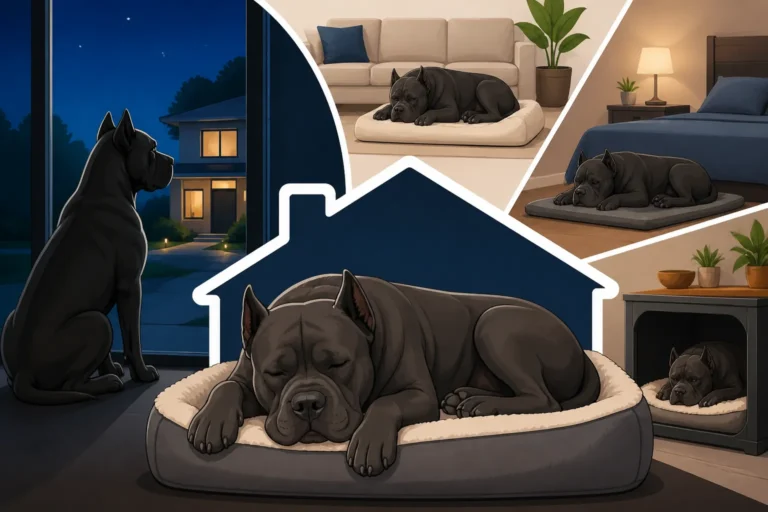
- Location: Place the crate in a quiet, low-traffic area of your home, but still within a general area where the family spends time. Avoid isolating the crate in a dark basement or garage, especially if your Cane Corso is already anxious about being alone. A room where they can still feel connected, even if you’re out of sight, can be beneficial.
Remember, a well-appointed crate that is seen as a sanctuary can significantly reduce a Cane Corso's stress levels when left alone.
Strategies for Managing and Reducing Separation Anxiety
Once you've established a positive crate association, it's time to implement practical strategies to help your Cane Corso cope with your absence. This is a marathon, not a sprint, and consistency is paramount.
Gradual Desensitization and Counter-Conditioning
This is the cornerstone of treating separation anxiety. The goal is to gradually accustom your Cane Corso to your departure cues and your absence, while counter-conditioning their negative emotional response with positive experiences.
- Practice Departures: Start with "mock departures" where you go through all your leaving rituals (grabbing keys, putting on coat) but don't actually leave. Do this multiple times a day, sometimes leaving for only a few seconds, then returning casually. The key is to make your departure cues meaningless.
- Gradual Increase in Time: Once your Cane Corso is calm during mock departures, start leaving for very short periods—literally 30 seconds to a minute. Return before they start to show signs of distress. If they do become anxious, you've gone too far, too fast. The next session, reduce the time. Gradually increase the duration of your absence over days and weeks, ensuring success at each step. This process can take a very long time, sometimes months.
- High-Value Distractions: Provide a special high-value chew, like a frozen KONG stuffed with peanut butter or wet food, only when you leave. This helps create a positive association with your departure. The goal is for your Cane Corso to be so engrossed in their treat that they barely notice you leaving. Many robust chew toys suitable for a powerful Cane Corso jaw are available on Amazon. These special treats should disappear as soon as you return, making them a unique leaving-time reward.
- Fade Out Crate Use: As your Cane Corso progresses, you might start fading out the crate itself for short absences, if appropriate. This means practicing short absences with your dog in a puppy-proofed room, eventually working up to having them loose in the house. However, for severe cases or powerful breeds, continued crate use might be necessary initially for safety, both theirs and your home's. It's important to understand The Damage a Bored Cane Corso Does Indoors if left unsupervised too soon.
Remember to keep your returns low-key and calm. Don't make a big fuss; wait until your Cane Corso is calm before greeting them.
Structured Departures and Arrivals
The way you leave and return can significantly impact your Cane Corso's anxiety.
- Calm Departures: Avoid emotional goodbyes. Making a big deal out of leaving can heighten your Cane Corso's anxiety. A few minutes before you actually walk out the door, calmly put them in their crate with their special chew. Then, simply leave. This helps them understand that your departure is not a dramatic event.
- Pre-Departure Exercise: Ensure your Cane Corso gets adequate physical and mental exercise before you leave. A good, long walk, some playtime, or a training session can help them feel tired and satisfied, making them more likely to rest quietly in their crate. A tired Cane Corso is a less anxious Cane Corso. You might be surprised by how much time a Cane Corso's mind needs to stay occupied.
- Calm Arrivals: When you return, resist the urge to immediately shower your Cane Corso with attention, even if they are wildly excited. Wait until they are calm and settled, even for a minute or two, before giving them a calm greeting. This teaches them that your return isn't dependent on their frantic excitement, reinforcing the idea that calm behavior earns rewards.
- Ignore Attention-Seeking: If your Cane Corso is whining or barking when you arrive, ignore it until they are quiet. As soon as they are quiet, even for a few seconds, calmly open the crate and let them out. This teaches them that being calm is what gets your attention and their freedom.
Consistency in these rituals helps your Cane Corso understand what to expect, reducing uncertainty and, consequently, anxiety.
Enrichment Inside and Outside the Crate
A bored or under-stimulated Cane Corso is more likely to be an anxious one. Mental and physical enrichment are vital.
- Interactive Toys: Inside the crate, provide puzzle toys, KONGs, or other interactive feeders that require your Cane Corso to work for their food. This provides mental stimulation and can keep them occupied for a significant period. Rotate toys to keep things fresh and interesting.
- Scent Work: Even in a crate, you can hide treats for them to find. Outside the crate, integrate scent work into their daily routine. Hiding treats around the house or playing "find it" games engages their powerful nose and provides mental exercise.
- Daily Exercise: Cane Corsos are working dogs with a good deal of energy. They need at least 60-90 minutes of vigorous exercise daily. This isn't just a quick walk around the block. It can include long walks, running, hiking, or structured playtime in a secure yard. Physical exertion helps burn off excess energy that might otherwise fuel anxious behaviors. Consider Scent Work and Sniff Walks for a Cane Corso as excellent ways to fulfill their mental and physical needs.
- Training Sessions: Engage your Cane Corso in daily training sessions. Even 10-15 minutes of positive reinforcement training can provide mental stimulation and strengthen your bond. Basic obedience, learning new tricks, or even advanced obedience like that found in BAXTER & Bella's online programs can make a huge difference. A dog that feels connected and engaged with its owner is less likely to panic when that owner leaves.
- Background Noise: Some Cane Corsos benefit from background noise, such as a radio, TV, or white noise machine, when left alone. This can mask outside sounds that might trigger barking and create a comforting, familiar atmosphere.
Adequate physical and mental stimulation helps tire out your Cane Corso and satisfies their natural instincts, making them more likely to relax when left in their crate.
When to Seek Professional Help
Despite your best efforts, some cases of Cane Corso separation anxiety are severe and require more intensive intervention. Knowing when to call in the professionals is crucial for your sanity and your dog's well-being.
Recognizing Severe Cases
How do you know if your Cane Corso's anxiety has crossed the line from manageable distress to a severe behavioral disorder?
- Self-Injury: If your Cane Corso is consistently injuring themselves attempting to escape their crate (broken teeth, bloody paws, raw noses, deep cuts), this is a clear sign of severe anxiety. Their drive to escape is so overwhelming that they are willing to hurt themselves.
- Property Damage: While some chewing is normal, if your Cane Corso is routinely destroying expensive, heavy-duty crates, or causing significant structural damage to your home, it indicates extreme panic. This is beyond typical destructive behavior and points to a desperate attempt to get out.
- No Improvement: If you've been diligently applying the above desensitization and counter-conditioning methods for several weeks or months, and you see no noticeable improvement, or the anxiety worsens, it's time to seek expert help. Sometimes, owners unintentionally reinforce anxious behaviors or misinterpret cues, and an outside eye can be invaluable.
- Excessive Drooling/Elimination: Consistent, heavy drooling and frequent "accidents" from a house-trained Cane Corso every time you leave, despite short absences, are strong indicators that the anxiety is beyond what you can manage alone.
- Impact on Your Life: If your Cane Corso's anxiety is severely impacting your daily life – preventing you from going to work, running errands, or having any social life – then it's unsustainable and unfair to both of you to continue struggling alone.
Remember, separation anxiety is a genuine panic disorder. It's not about being a "bad dog." It’s a health issue that deserves professional attention, much like any physical ailment.
Finding a Qualified Behaviorist
Don't just pick any trainer. For severe separation anxiety in a powerful breed like the Cane Corso, you need a specialist.
- Certified Professional Dog Trainer (CPDT-KA), Certified Applied Animal Behaviorist (CAAB), or Veterinary Behaviorist (DACVB): Look for these certifications. A Veterinary Behaviorist (DACVB) is a veterinarian with specialized training in animal behavior and can prescribe medication if necessary, which can be a vital component of treatment for severe anxiety. A CAAB has a PhD in animal behavior. A CPDT-KA has extensive experience in positive reinforcement training methods.
- Experience with Guard Breeds/Large Dogs: Ensure the professional has experience working with large, powerful breeds like Cane Corsos and specifically with separation anxiety. Their approach for a Cane Corso might differ from that for a smaller, less powerful breed.
- Positive, Force-Free Methods: A qualified professional will advocate for positive reinforcement and force-free methods. Punishing an anxious Cane Corso will only exacerbate their fear and distrust, making the problem worse. Avoid anyone who suggests harsh corrections, dominance theory, or "alpha" techniques, as these are outdated and harmful, particularly for anxiety.
- Remote Consultations: Many behaviorists offer remote consultations, which can be incredibly helpful for separation anxiety cases as they can observe your Cane Corso in their natural environment via video.
- Veterinarian Referral: Your primary veterinarian can often provide referrals to reputable veterinary behaviorists or certified trainers in your area. They might also rule out any underlying medical conditions that could mimic anxiety symptoms. They might discuss options such as Daily Medication for a Cane Corso With Epilepsy if other medical issues are found to be at play, but for behavioral anxiety, a specialist is often needed.
- Structured Plans: A good professional will provide a detailed, step-by-step behavior modification plan tailored to your Cane Corso's specific needs and your lifestyle. They will also offer ongoing support and adjustments as you progress. Services from a company like BAXTER & Bella often include one-on-one coaching, which can be invaluable when dealing with complex behavioral issues.
Treating separation anxiety is a long-term commitment, but with patience, consistency, and the right professional guidance, your Cane Corso can learn to be comfortable and calm when you're away. It's about rebuilding trust and teaching them that your departures are always followed by your return, bringing peace not only to your home but to their heart.
Disclaimer
This article is for general informational purposes only and does not constitute professional advice. Laws, prices and regulations vary by location and change over time. Consult a qualified professional for guidance on your specific situation.