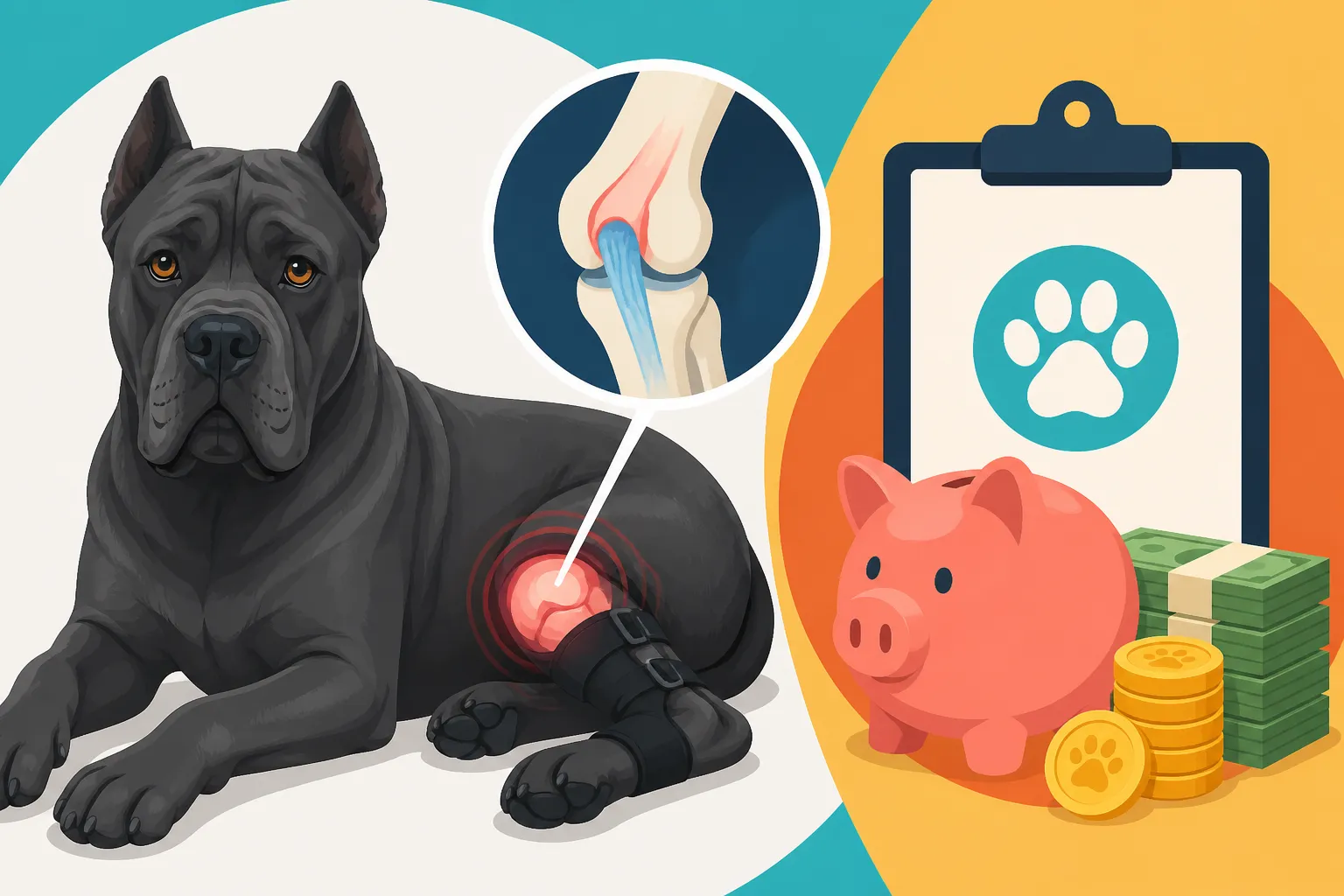
What a Cane Corso’s Cruciate Repair Costs
One of the most heart-wrenching moments for any Cane Corso owner is when your powerful, active dog suddenly comes up lame, often with a yelp, and you realize something is seriously wrong with their leg. The immediate worry for their well-being is quickly followed by the daunting question: how much is this going to cost? Cruciate ligament repair in a large breed like a Cane Corso isn't just a minor fix; it's a significant financial undertaking that can feel overwhelming. This guide is here to break down the complexities and help you understand the true financial picture of getting your beloved Cane Corso back on all four paws.
Understanding Cruciate Ligament Injuries in a Cane Corso
When your hundred-pound Cane Corso, a breed known for its robust build and active nature, suddenly starts limping or holding a back leg up, your mind races. Cruciate ligament injuries are unfortunately common in large and giant breeds, and they bring with them not only physical pain for your dog but also a wave of concern for your wallet. It's not just a simple sprain; it's a structural issue that often requires surgical intervention to fix properly.
What Exactly is a Cruciate Ligament Tear?
Imagine the main stabilizing ligament in your own knee – that's essentially what the cranial cruciate ligament (CCL), often called ACL in humans, is for your Cane Corso. It connects the femur (thigh bone) to the tibia (shin bone) inside the knee joint, preventing the tibia from sliding forward relative to the femur. When this ligament tears, even partially, that stability is gone. For a dog of your Cane Corso's size and musculature, a tear means that every step causes the bones to rub against each other, leading to pain, inflammation, and eventual arthritis if left untreated. It's not just an acute injury from one dramatic jump or twist, although that can happen. Often, it's a degenerative process, a slow fraying over time until a seemingly minor movement causes the final snap. This slow progression can be particularly frustrating, as you might have seen subtle signs of stiffness or an occasional limp that came and went, only for it to become a full-blown crisis.
Why Cane Corsos are Prone to Cruciate Tears
Cane Corsos, with their impressive size and powerful physique, are unfortunately predisposed to these kinds of injuries. Their sheer weight puts immense stress on their joints, especially their knees. Picture a seventy to a hundred and twenty-pound animal launching themselves off the couch, bounding after a squirrel, or making a sharp turn during play. That force, combined with their rapid growth as puppies, can put a tremendous strain on ligaments that aren't quite ready for the load. While there can be a genetic component to ligament weakness, the physics of a large dog's body simply increase the mechanical stress on these crucial structures. Cruciate Tears in a Hundred Pound Cane Corso further explores this breed-specific vulnerability. You might also notice that dogs with certain conformations, like very straight hind legs, could be at higher risk. The active lifestyle we encourage for our Corsos, vital for their mental and physical well-being, also means they're constantly testing the limits of their musculoskeletal system.
Diagnosing a Cruciate Injury
The journey to diagnosing a cruciate injury usually starts with that distressing limp and an immediate vet visit. Your veterinarian will typically perform a "cranial drawer test" and a "tibial compression test," which involve manipulating the knee to check for abnormal movement. For a big, strong dog like a Cane Corso, these tests can sometimes be difficult to perform accurately if the dog is tense or in significant pain, as their powerful muscles can mask the instability. Sometimes, sedation might be needed to get a clear diagnosis. X-rays are also a crucial part of the diagnostic process. While X-rays don't show the ligament itself, they can reveal secondary signs of a tear, such as fluid in the joint, arthritis, or the tell-tale "tibial thrust" indicating instability. They're also essential for ruling out other potential issues like fractures or bone tumors, which can present with similar lameness. The initial vet visit, exams, and X-rays will be your first set of costs, which can range from a couple of hundred dollars to upwards of several hundred, especially if sedation is required.
Navigating the Costs of Cruciate Repair Surgery
Once a cruciate tear is confirmed, the conversation inevitably turns to surgery. For a Cane Corso, conservative management (rest, medication) is rarely a long-term solution due to their size and the high forces exerted on the joint. Surgery is almost always recommended to restore stability and prevent severe, debilitating arthritis. This is where the costs can really begin to climb, and it's important to understand what you're paying for.
Types of Cruciate Repair Surgery and Their Cost Implications
For large breeds like the Cane Corso, the most common and effective surgical techniques are TPLO (Tibial Plateau Leveling Osteotomy) and TTA (Tibial Tuberosity Advancement). These procedures are quite different from the "fishing line" techniques used in smaller dogs. Instead of trying to replace the torn ligament, TPLO and TTA change the biomechanics of the knee joint itself, essentially redesigning the tibia's angle so that the torn cruciate ligament is no longer necessary for stability.
- TPLO (Tibial Plateau Leveling Osteotomy): This is often considered the gold standard for large, active dogs. The surgeon cuts a semi-circular piece of the tibia bone, rotates it to change the angle of the tibial plateau, and then reattaches it with a bone plate and screws. This neutralizes the "tibial thrust" that causes instability. It's a complex orthopedic procedure requiring specialized equipment and training.
- TTA (Tibial Tuberosity Advancement): This procedure involves cutting the front part of the tibia (the tibial tuberosity) and moving it forward. A spacer and a plate are used to hold it in its new position, which also changes the joint's mechanics and reduces the shear force on the knee.
Both TPLO and TTA are highly effective but are also major surgeries performed by board-certified veterinary orthopedic surgeons, or experienced general practitioners who have undergone extensive additional training. The complexity, the specialized equipment, and the expertise required mean these procedures come with a significant price tag. You're not just paying for a few hours in the operating room; you're paying for years of education, specialized skills, and the infrastructure to support such advanced veterinary care.
Breaking Down the Surgical Bill: What's Included?
A cruciate repair bill for your Cane Corso isn't just one line item. It's a comprehensive package that covers everything from pre-surgical preparation to initial post-operative care. Here's a typical breakdown of what you might expect to see:
- Pre-surgical bloodwork and diagnostics: To ensure your Cane Corso is healthy enough for anesthesia and surgery.
- Anesthesia: Fees for the anesthesiologist, monitoring equipment, and medications used to keep your dog safely unconscious throughout the procedure. Given your Corso's size, careful anesthetic management is critical. Anesthesia Risk in a Deep Chested Cane Corso highlights considerations for this breed.
- Surgical fees: This is the primary cost, covering the surgeon's time, skill, and the procedure itself.
- Surgical implants: The specialized plates, screws, and other hardware used to stabilize the bone. These are medical-grade materials.
- Operating room and facility fees: Covering the use of the sterile surgical suite, specialized lighting, instruments, and support staff.
- Hospitalization: Typically, your Cane Corso will stay overnight for observation and initial pain management. This includes nursing care, kennel fees, and any medications given during their stay.
- Pain management: A crucial part of recovery, this includes various medications (injectable and oral) to keep your Cane Corso comfortable during and after surgery.
- Follow-up X-rays: Often included a few weeks post-op to ensure the bone is healing correctly and the implants are stable.
- Initial post-operative supplies: Things like special bandages, Elizabethan collars, or oral medications to go home with.
When you receive an estimate, it's wise to ask for a detailed breakdown so you understand exactly what each component contributes to the total. This can help you compare clinics or understand where potential savings (or additional costs) might lie.
Geographic and Veterinary Clinic Variations in Cost
The cost of cruciate repair for a Cane Corso isn't uniform across the board; it can vary significantly based on where you live and the type of veterinary practice you choose.
- Geographic Location: Veterinary costs, much like human medical costs, tend to be higher in major metropolitan areas compared to rural or smaller towns. This is due to differences in overhead, rent, staff wages, and competition. So, a TPLO in New York City or Los Angeles will likely be considerably more expensive than the same procedure in a small town in, say, Nebraska.
- Type of Clinic:
- General Practice Veterinarian: Some general practitioners are experienced and equipped to perform TPLO or TTA. Their costs might be on the lower end, but ensure they have significant experience with these specific procedures in large breeds.
- Specialty Orthopedic Clinic/Veterinary Referral Hospital: These facilities employ board-certified veterinary orthopedic surgeons who specialize in these complex procedures. They have state-of-the-art equipment, advanced diagnostic tools, and dedicated rehabilitation services. While their expertise is unparalleled, their services typically come at a premium. For a Cane Corso, who needs the best chance at a full recovery, a specialist is often recommended.
It's common to get estimates from a few different clinics, but always weigh the cost against the surgeon's experience, the facility's resources, and the quality of care. Sometimes, traveling a bit further to a more specialized clinic might offer a better outcome even if the initial quote seems higher, as it could prevent complications that lead to even greater expenses down the line.
The Essential Role of Post-Operative Rehabilitation
Getting through the surgery itself is a huge hurdle, but it's only the beginning of your Cane Corso's journey back to full health. Post-operative rehabilitation is not just an optional extra; for a large, powerful breed like a Cane Corso, it is absolutely critical for a successful outcome. Skipping this step can compromise the surgical repair, increase the risk of complications, and lead to poorer long-term mobility.
The Importance of Physical Therapy for a Cane Corso's Recovery
Imagine having major knee surgery and then being told to just "take it easy" without any guidance on how to regain strength or flexibility. That's essentially what happens if you don't engage in physical therapy for your Cane Corso. For these big dogs, a crucial period of strict rest is followed by a gradual, controlled return to activity. This period needs careful management to prevent too much stress on the healing bone and implants, while also ensuring the surrounding muscles don't atrophy excessively.
Physical therapy, or physiotherapy, plays several vital roles:
- Pain Management: Therapists use modalities like cold laser therapy or massage to reduce pain and inflammation.
- Strength Building: Targeted exercises help rebuild muscle mass that is quickly lost after surgery and disuse. Strong muscles support the joint and protect it from re-injury.
- Range of Motion: Gentle exercises prevent stiffness and improve the knee's flexibility.
- Proprioception: This is the body's sense of its position in space. Injury and surgery can impair it, and rehab helps restore coordination and balance, crucial for a large dog.
- Preventing Compensatory Injuries: When one leg is injured, dogs often put more weight and stress on the other leg, making it vulnerable to a cruciate tear as well. Rehab focuses on balanced strength and proper gait, reducing this risk. Physical Therapy Prices for a Cane Corso After Surgery delves deeper into the specifics.
This isn't just about walks; it's about specific, controlled movements tailored to your Cane Corso's individual recovery stage.
Common Rehabilitation Modalities and Their Associated Costs
Rehabilitation is often an ongoing process that can last for several weeks to months, meaning additional costs beyond the initial surgery. Here are some common modalities you might encounter:
- Hydrotherapy (Underwater Treadmill): This is fantastic for large dogs like Cane Corsos because the buoyancy of the water reduces weight-bearing stress on the healing joint while allowing them to build muscle and improve gait. The resistance of the water also provides a gentle workout. Sessions can range in price, and a course of several sessions is usually recommended.
- Therapeutic Exercises: These are guided exercises performed with a certified rehabilitation therapist. They might include passive range of motion, balance exercises on wobble boards, cavaletti poles, or controlled walks on inclines/declines. These require consistent effort and multiple sessions.
- Laser Therapy (Cold Laser): Often used to reduce pain and inflammation, and promote tissue healing. These are typically short, targeted sessions.
- Massage and Manual Therapy: To address muscle spasms, improve circulation, and reduce tension.
- Home Exercise Programs: Your therapist will teach you exercises to perform with your Cane Corso at home between sessions, which is crucial for continuity and progress. While not directly "costing" you per session, they demand significant time and commitment.
Each session for these modalities adds up, and a full course of rehabilitation can easily run into the hundreds or even thousands of dollars over several months. It's an investment, but one that significantly increases the chances of a full and lasting recovery for your Cane Corso.
Ongoing Care and Potential Complications
Even after successful surgery and rehabilitation, the journey doesn't necessarily end. Your Cane Corso will likely require ongoing care, and you need to be prepared for potential complications.
- Medication: Your dog may need long-term joint supplements like glucosamine and chondroitin, or potentially anti-inflammatory medications periodically, especially as they age and if arthritis develops. Brands like Chewy offer a wide variety of joint supplements that can become part of your regular budget.
- Follow-up Vet Visits: Regular check-ups with your primary vet or orthopedic specialist might be recommended to monitor joint health and address any concerns.
- Arthritis Management: Despite the best surgical outcome, some degree of arthritis is almost inevitable in the repaired knee joint over time. Managing this with medication, supplements, controlled exercise, and potentially dietary changes (like those offered by Ollie for specialized nutrition) will be a lifelong commitment.
- Re-tear of the Other Cruciate Ligament: This is a heartbreaking reality for many large breed owners. Because the underlying causes (genetics, conformation, body weight) often affect both knees, there's a significant chance that the other cruciate ligament will tear within a few years of the first. This means facing the entire surgical and rehabilitation process, and its associated costs, all over again. Being vigilant about weight management and consistent with preventative care can help reduce this risk.
Financial Planning and Support for Cruciate Repair
The news of a cruciate tear in your Cane Corso can be devastating, both emotionally and financially. Preparing for such an event, or knowing your options when it happens, can make a huge difference in your ability to provide the best care for your dog.
The Role of Pet Insurance in Covering Cruciate Injuries
Pet insurance can be an absolute lifesaver when faced with a costly surgery like cruciate repair. However, it's crucial to understand how it works and its limitations.
- Enrollment is Key: To cover a cruciate injury, your Cane Corso needs to be enrolled in a pet insurance plan before the injury occurs. Cruciate ligament tears are almost always considered pre-existing conditions if they happen before or during the waiting period of your policy, meaning they won't be covered. This is why many experienced Cane Corso owners recommend getting insurance for their puppies as soon as possible.
- Coverage and Deductibles: Most comprehensive accident and illness plans will cover cruciate repair surgery, including diagnostics, surgery, and often a portion of rehabilitation. However, you'll be responsible for your deductible (the amount you pay before coverage kicks in) and a co-insurance percentage (your share of the remaining bill).
- Bilateral Exclusion: Some older policies or less comprehensive plans might have a "bilateral exclusion" clause. This means if one knee tears and is covered, the other knee tearing later might be considered a pre-existing condition related to the first and therefore not covered. It's vital to check this detail with any potential insurer.
- Reputable Providers: Companies like Healthy Paws are well-regarded for their comprehensive coverage and straightforward claims process, which can provide immense peace of mind when facing bills for procedures like TPLO. They typically offer high reimbursement rates after your deductible is met, helping to significantly offset the financial burden.
Taking the time to research and invest in pet insurance early can protect you from the crushing financial stress of a major unexpected veterinary bill, making the decision to go forward with crucial care much easier. Monthly Pet Insurance Premiums on a Cane Corso provides more insight into typical costs.
Budgeting for the Unexpected: Savings and Credit Options
Even with pet insurance, there will be out-of-pocket expenses. If you don't have insurance, or if your dog's injury is deemed pre-existing, you'll need to explore other financial avenues.
- Emergency Savings: The ideal scenario is to have a dedicated emergency fund for your pets. Setting aside a small amount each month specifically for veterinary emergencies can build up a cushion over time. Think of it as self-insurance. How Much a Cane Corso Owner Should Set Aside Monthly offers general budgeting advice for the breed.
- Veterinary Credit Lines: Many veterinary clinics partner with third-party financing options like CareCredit. These are essentially credit cards specifically for health and veterinary expenses, often offering deferred interest or low-interest plans for a set period. This can allow you to pay off the cost of surgery over time, making it more manageable.
- Personal Loans or Credit Cards: While not ideal due to potentially higher interest rates, these can be options if you need immediate funds and don't qualify for veterinary-specific credit.
- Payment Plans with Your Vet: Some veterinary practices may offer in-house payment plans, particularly for established clients, though this is less common for very high-cost procedures. It's always worth discussing with your clinic's financial team.
Exploring Assistance Programs and Breed-Specific Rescues
When all other options seem exhausted, there are still resources available, though they often require some effort to find and apply for.
- Veterinary Charities and Foundations: Various non-profit organizations offer financial aid for pet owners facing expensive medical treatments. Some are disease-specific, while others are more general. Examples might include The Pet Fund, RedRover, or specific local humane societies. Eligibility requirements and available funds vary widely.
- Breed-Specific Rescues: Cane Corso rescues often have funds dedicated to helping owners with major medical expenses, especially if the dog was adopted through them. Even if your dog wasn't adopted from a rescue, they may know of local resources or be willing to offer advice.
- Crowdfunding: Platforms like GoFundMe or other social media appeals can be effective if you have a strong support network of friends, family, and sympathetic community members willing to contribute.
It's important to remember that these assistance programs are often grant-based and have limited funds, so applying early and broadly is key. They are usually designed to be a safety net for those who truly cannot afford critical care otherwise.
Here’s a breakdown of the typical financial considerations for Cane Corso cruciate repair:
| Cost Category | Description | Typical Range (Consult clinic for exact prices) | Key Considerations |
|---|---|---|---|
| Initial Vet Visit | Exam, X-rays, potential sedation for diagnosis | $200 – $800 | Rules out other issues, confirms CCL tear. |
| Surgical Procedure | TPLO or TTA surgery, anesthesia, hospitalization, implants, meds | $3,500 – $7,000+ | Varies by surgeon's expertise, location, and clinic type. |
| Post-Op Medications | Pain relievers, anti-inflammatories, antibiotics for home use | $50 – $200 | Crucial for comfort and preventing infection. |
| Rehabilitation Therapy | Hydrotherapy, laser, therapeutic exercises (multiple sessions) | $500 – $3,000+ (over several months) | Essential for optimal recovery and preventing re-injury. |
| Follow-up Vet Checks | Suture removal, recheck X-rays, general progress monitoring | $100 – $300 (per visit) | Ensures healing is on track. |
| Long-Term Supplements | Glucosamine, fish oil for joint health (monthly cost) | $30 – $80 per month | Helps manage arthritis, lifelong commitment. |
| Contingency Fund | For complications, re-tear of other leg, additional diagnostics | $1,000 – $3,000+ | Always prepare for the unexpected. |
This table provides a general overview. Always get detailed, itemized estimates from your chosen veterinary clinic.
Disclaimer
This article is for general informational purposes only and does not constitute professional advice. Laws, prices and regulations vary by location and change over time. Consult a qualified professional for guidance on your specific situation.