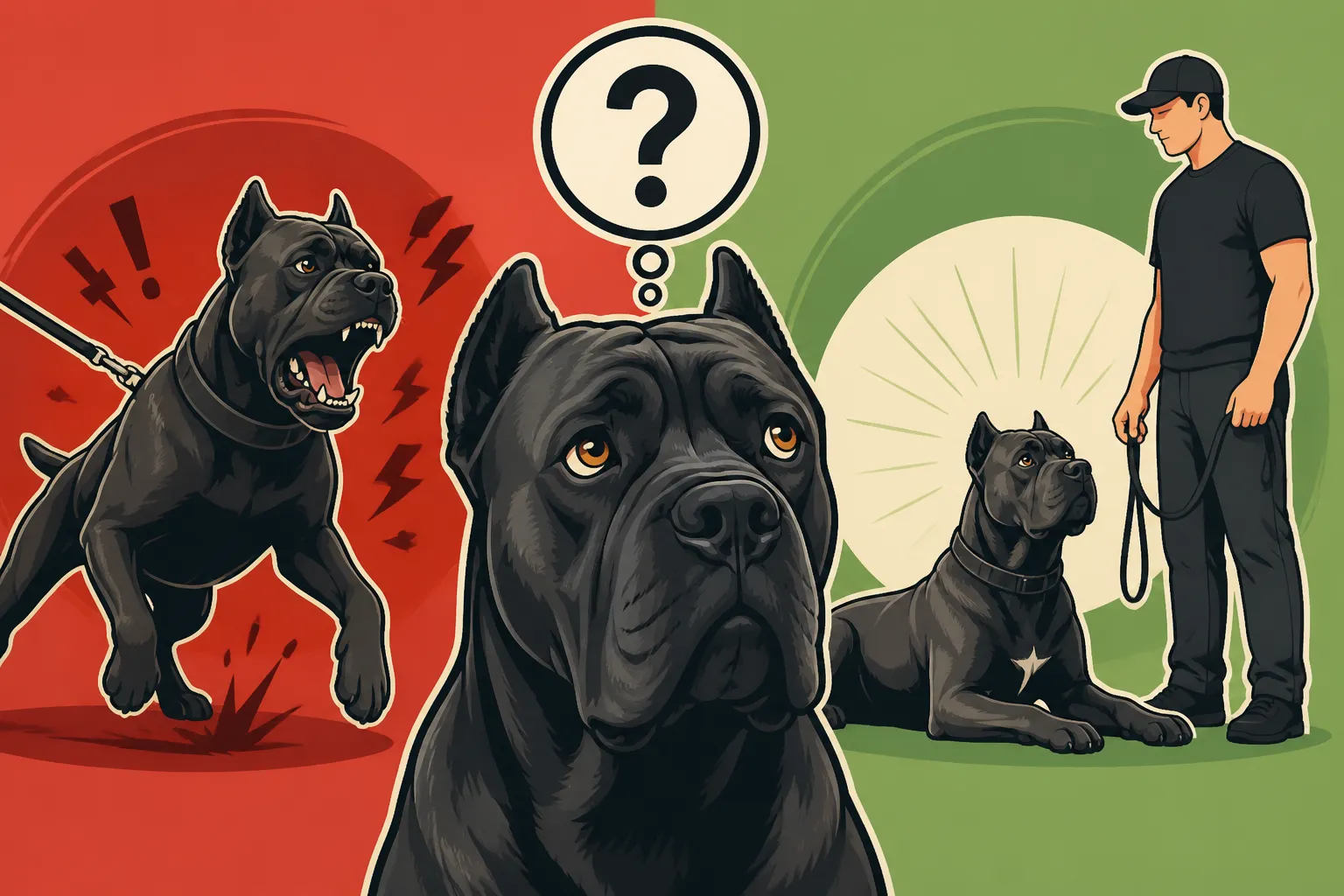
Whether a Board and Train Fixes a Cane Corso
It’s a heart-wrenching moment when you realize your powerful, loyal Cane Corso isn't living up to their potential, or worse, is exhibiting behaviors that make life challenging or even unsafe. Many owners reach a point of desperation, wondering if a board and train program could be the magic bullet to "fix" their dog. This comprehensive guide will delve deep into what board and train truly offers for a Cane Corso, what realistic expectations look like, and whether it’s the right path for you and your beloved companion.
Understanding What a "Fix" Really Means for a Cane Corso
When we talk about "fixing" a Cane Corso, it's often born out of frustration with specific behaviors: lunging on leash, guarding issues, reactivity to strangers or other dogs, or simply a lack of reliable obedience. It’s important to recalibrate our understanding of what training, especially an intensive program like board and train, can actually accomplish.
The Myth of the Instant Transformation
Many owners envision their Cane Corso returning from a board and train program as a completely different dog – perfectly behaved, instantly compliant, and all challenging behaviors gone. While a good board and train program can make remarkable progress and teach your dog new habits, it's not a magic wand. Dogs are complex beings with personalities, past experiences, and ingrained instincts. A "fixed" dog in this context usually means a dog that has learned to perform desired behaviors consistently in a controlled environment, and whose undesirable behaviors have been significantly mitigated or redirected.
The truth is, even the best trainers in the world cannot erase a dog's history or completely reprogram their fundamental nature, especially for a breed as genetically predisposed to guarding and strong will as the Cane Corso. What they can do is provide a solid foundation of understanding and response, offering you tools to continue that work. The transformation isn't instant; it's the beginning of a new chapter that requires your unwavering commitment.
Defining Realistic Expectations
Before you even consider a board and train, sit down and honestly list what you hope to achieve. Is it reliable recall in a busy park? A Cane Corso who doesn't pull your arm out of its socket on walks? Or perhaps a dog that can calmly accept guests in your home? Be specific. Then, critically evaluate if these expectations are truly realistic for your dog's age, temperament, and history. For instance, expecting a highly reactive Cane Corso to become the life of the dog park after a few weeks is probably unrealistic. A more attainable goal might be for them to calmly walk past other dogs on a leash without lunging or barking, or to hold a stable "place" while other dogs are present at a distance.
It's crucial to understand that a Cane Corso's guarding instinct, which is deeply ingrained, cannot simply be "trained out." Instead, a good program will teach your dog appropriate ways to channel that instinct, and teach you how to manage and direct it responsibly. You're not looking for a robot; you're looking for a well-managed, respectful companion.
Addressing Root Causes, Not Just Symptoms
A significant pitfall of many DIY training attempts is focusing only on the visible symptoms of a problem without understanding the underlying cause. Is your Cane Corso barking excessively at the fence because they're bored, or because they feel a genuine need to guard their territory from perceived threats? Is their leash reactivity fear-based, or is it an overabundance of frustrated greeting behavior? A quality board and train program often includes an initial assessment that goes beyond surface behaviors to identify these root causes.
An experienced trainer will observe your Cane Corso's body language, assess their temperament, and speak with you extensively about their history. This deep dive is essential because training strategies must be tailored to the individual dog and the specific drivers of their behavior. If the underlying anxiety or fear isn't addressed, simply suppressing a bark might lead to another, potentially more severe, behavioral issue later on.
How Board and Train Programs Operate
Board and train, often referred to as "boot camp" for dogs, involves sending your Cane Corso to live with a professional trainer for an extended period, typically several weeks. During this time, the dog receives intensive, consistent training in a structured environment.
The Intensive Immersion Environment
Imagine your Cane Corso living, eating, and breathing training for weeks. That's the core idea behind a board and train. In this immersive setting, the trainer can work with your dog multiple times a day, in various environments, and consistently reinforce desired behaviors. This consistency is often the missing piece for owners who struggle to find enough time or expertise to achieve breakthroughs at home. The dog is removed from the familiar home environment where old habits might be deeply entrenched, allowing them to form new, healthier patterns without distraction.
For a powerful and intelligent breed like the Cane Corso, this immersion can be incredibly effective, especially for laying down a solid foundation of obedience or addressing complex behavioral issues. The trainer develops a routine that encompasses everything from basic manners to advanced obedience, and potentially behavior modification protocols for specific problems. Think of it like sending a child to a specialized camp where they're learning a new skill every day, all day, from experts.
Common Training Methodologies and Their Impact
Board and train programs employ a variety of training methodologies, and it's absolutely crucial that you understand and agree with the approach before enrolling your Cane Corso. Some programs might lean heavily on positive reinforcement, rewarding desired behaviors with treats, praise, or play. Others might incorporate balanced training methods, utilizing tools like remote collars or prong collars alongside positive reinforcement to provide clear communication and consequences. There are also programs that rely on more traditional or even dominance-based methods, which for a sensitive and discerning breed like the Cane Corso, can sometimes backfire and erode trust rather than build it. You'll want to What to Look For in a Cane Corso Trainer and ensure their philosophy aligns with yours.
It's vital to research the trainer's methods thoroughly. Ask specific questions about the tools they use, how they handle corrections, and what their philosophy is regarding fear versus motivation. For instance, while some trainers might effectively use remote collars for recall on a strong-willed Cane Corso, others might find that this breed responds better to clear, positive direction and boundary setting. Understanding Why Dominance Methods Backfire on a Cane Corso is key here, as these powerful dogs often need a relationship built on mutual respect, not fear.
The Crucial Role of Owner Follow-Through
Here's the often-missed, most critical piece of the board and train puzzle: you. Your Cane Corso will return home with new skills and behaviors, but if you don't consistently maintain and reinforce what they've learned, those new habits can quickly fade. The trainer will teach your dog, but they also need to teach you. This typically involves "go-home" sessions where the trainer demonstrates the commands and techniques, and you practice with your dog under their guidance.
Without your diligent follow-through, the investment in a board and train can be wasted. You need to become an active participant in your dog's continued learning, integrating the new commands and management strategies into your daily routine. This includes maintaining The Structure a Cane Corso Needs Every Single Day and practicing consistently. Think of the trainer as giving your Cane Corso a new language; you need to keep speaking it with them to ensure fluency.
Scenarios Where Board and Train Can Be Effective (and Where It Falls Short)
Board and train isn't a one-size-fits-all solution. Its effectiveness largely depends on the specific issues, the individual dog, and the quality of the program.
Addressing Specific Behavioral Issues
Board and train can be highly effective for a range of issues, especially those requiring consistent, immediate intervention and a change of environment.
- Foundation Obedience: If your Cane Corso lacks basic obedience like sit, stay, come, or walking politely on a leash, an intensive program can instill these foundational behaviors quickly and reliably. For a large, powerful dog, having solid leash manners is non-negotiable, and a board and train can be transformative in stopping a Cane Corso from dragging you down the street.
- Reactivity: For dogs that lunge, bark, or growl at other dogs or people, a good board and train program can help modify these reactions by desensitizing and counter-conditioning them in a controlled setting. The trainer can manage the environment and ensure safe exposures, gradually teaching your Cane Corso to Getting a Cane Corso to Respond the First Time to your cues, even in distracting situations.
- Resource Guarding: If your Cane Corso guards food, toys, or spaces, a board and train can implement specific protocols to teach them to tolerate or even welcome human presence around their valued items, significantly reducing the risk of conflict.
- Separation Anxiety: While complex, a board and train that focuses on building independence and confidence can be beneficial for some cases of Separation Anxiety in a Cane Corso Left in a Crate. However, this often requires extensive owner involvement post-program to maintain progress.
It's worth noting that if your Cane Corso is struggling with a highly specific, complex behavioral issue, you might also consider consulting What a Behaviorist Charges for a Reactive Cane Corso in addition to, or as an alternative to, board and train, as behaviorists often have specialized expertise in diagnostics and treatment plans.
When Board and Train is Not the Answer
There are certain situations where a board and train might not be the best, or even a suitable, solution.
- Minor Nuisance Behaviors: If your Cane Corso has minor issues that can easily be addressed with a few private lessons or group classes, the cost and intensity of a board and train might be overkill. Simple house manners, for instance, can often be handled effectively at home with consistent effort.
- Severe Anxiety or Fear: While some anxiety can be managed, severe cases of fear or generalized anxiety might be exacerbated by being separated from their trusted owner and placed in an unfamiliar environment. For these dogs, one-on-one sessions with a trainer in their home, or working with a veterinary behaviorist, might be a gentler and more effective approach.
- Medical Issues: If a behavioral problem stems from an undiagnosed medical condition (e.g., pain causing aggression, hormonal imbalances), training alone won't solve it. A thorough vet check is always recommended before embarking on any intensive training program.
- Owner Unwillingness to Follow Through: This is perhaps the biggest reason a board and train might "fail." If you are not prepared to consistently apply the training protocols and maintain the structure after your Cane Corso returns home, the investment will yield only temporary results. The changes won't stick unless you become an integral part of the maintenance plan.
Considering the Cane Corso's Unique Temperament
The Cane Corso is a formidable breed known for its intelligence, intense loyalty, and strong guardian instincts. These traits mean they often thrive on structure and clear leadership, but they can also be highly sensitive to unfair treatment or inconsistent handling. A board and train must respect these inherent characteristics. The goal isn't to break their spirit, but to channel their natural drive into appropriate behaviors.
Their natural What a Cane Corso's Guardian Instinct Actually Is means they form deep bonds with their family but can be wary of strangers. A good program will understand this and work with it, rather than against it. It will teach them to discern real threats from everyday occurrences, and to rely on your guidance rather than reacting independently. A trainer who understands molosser breeds specifically will be better equipped to handle the nuances of a Cane Corso's personality. If you're looking for specialized training, researching What a Molosser Board and Train Charges for a Cane Corso might give you an idea of programs tailored to these powerful dogs.
Choosing the Right Board and Train for Your Cane Corso
Selecting the right board and train program is paramount to its success. It's not a decision to be taken lightly, especially when entrusting someone with your beloved Cane Corso.
Vetting Trainers and Facilities
This step cannot be stressed enough. Don't simply choose the first program you find or the one with the lowest price tag. Do your homework!
- Experience and Reputation: Look for trainers with extensive experience specifically with large, guardian breeds like Cane Corsos. Ask for references and speak to past clients. Check online reviews, but also understand that reviews don't tell the whole story.
- Transparency: A reputable facility will be completely transparent. They should allow you to tour their facility, meet the trainers who will be working with your dog, and explain their methods in detail. Be wary of any program that won't let you see where your dog will be housed or trained.
- Qualifications and Certifications: While not always mandatory, look for trainers with recognized certifications (e.g., CPDT-KA, KPA CTP) or affiliations with professional organizations. These indicate a commitment to ethical, up-to-date training practices.
- Health and Safety Protocols: Ask about their vaccination requirements, emergency vet protocols, and general sanitation. Ensure they have proper separation for dogs and adhere to safe handling practices. What happens if your Cane Corso gets sick or injured while there? Knowing that they have a plan and perhaps recommending pet insurance like Healthy Paws can provide peace of mind.
- Follow-Up Support: A good program won't just send your dog home and wave goodbye. They should offer follow-up support, whether it's through phone consultations, refresher sessions, or access to group classes to reinforce the training.
| Aspect | Look For | Be Wary Of |
|---|---|---|
| Trainer Experience | Specific experience with Molossers/guardian breeds; positive client testimonials. | Generic "all breeds" claims without specific examples; inability to provide references. |
| Facility | Clean, secure, ample space, appropriate enrichment; open for tours. | Restricted access; hidden areas; unsanitary conditions. |
| Training Methods | Clear explanations of philosophy; willingness to discuss tools and techniques; focus on humane principles. | Vague descriptions; refusal to discuss methods; reliance on punitive-only approaches. |
| Communication | Regular updates (photos, videos); dedicated contact person; structured go-home lessons. | Minimal contact during the stay; brief, rushed hand-off sessions. |
| Post-Program Support | Included follow-up sessions, phone support, or access to ongoing classes. | No support once the dog leaves the facility; additional charges for basic questions. |
| Transparency & Ethics | Open about costs, contracts, and expectations; clear health and safety protocols. | Hidden fees; vague contracts; unwillingness to discuss emergency plans or potential risks. |
Program Structure and Communication
Before committing, ensure you understand the entire program structure. How long is the stay? What is the daily routine like for your Cane Corso? How often will they receive one-on-one training? What kind of distractions will they be exposed to? More importantly, how will the trainer communicate with you during your dog's stay? Regular updates, photos, and videos can ease your mind and help you see the progress your dog is making.
The go-home process is also critical. A good program will dedicate significant time to teaching you how to handle your "new" Cane Corso. This usually involves several hours of hands-on instruction where you learn the commands, the timing of corrections and rewards, and how to troubleshoot common issues. They should also provide written materials or videos for you to reference later. It's about empowering you to continue the work, not just fixing the dog.
Preparing Your Cane Corso (and Yourself) for Success
Once you've chosen a program, there are steps you can take to prepare. Ensure your Cane Corso is up-to-date on all vaccinations and parasite prevention. If they have any known medical issues or dietary restrictions, communicate these clearly to the trainer. If your Cane Corso eats a special diet, like the fresh food from Ollie, make sure the trainer is aware and capable of maintaining that regimen. Many facilities will have you bring your dog's regular food, so you might order a larger bag from Chewy to make sure they have enough for their stay.
For yourself, prepare mentally for the separation. It can be tough to be without your Cane Corso for weeks. More importantly, commit to doing the homework. View the board and train as an intensive course for both of you. The trainers are laying the groundwork, but you are the primary educator for the rest of your Cane Corso's life. Be ready to practice daily, adjust your routine, and stay consistent with the methods taught. Only then can you truly build upon the valuable foundation laid by the board and train and ensure your Cane Corso remains a well-behaved, integrated member of your family for years to come.
Disclaimer
This article is for general informational purposes only and does not constitute professional advice. Laws, prices and regulations vary by location and change over time. Consult a qualified professional for guidance on your specific situation.