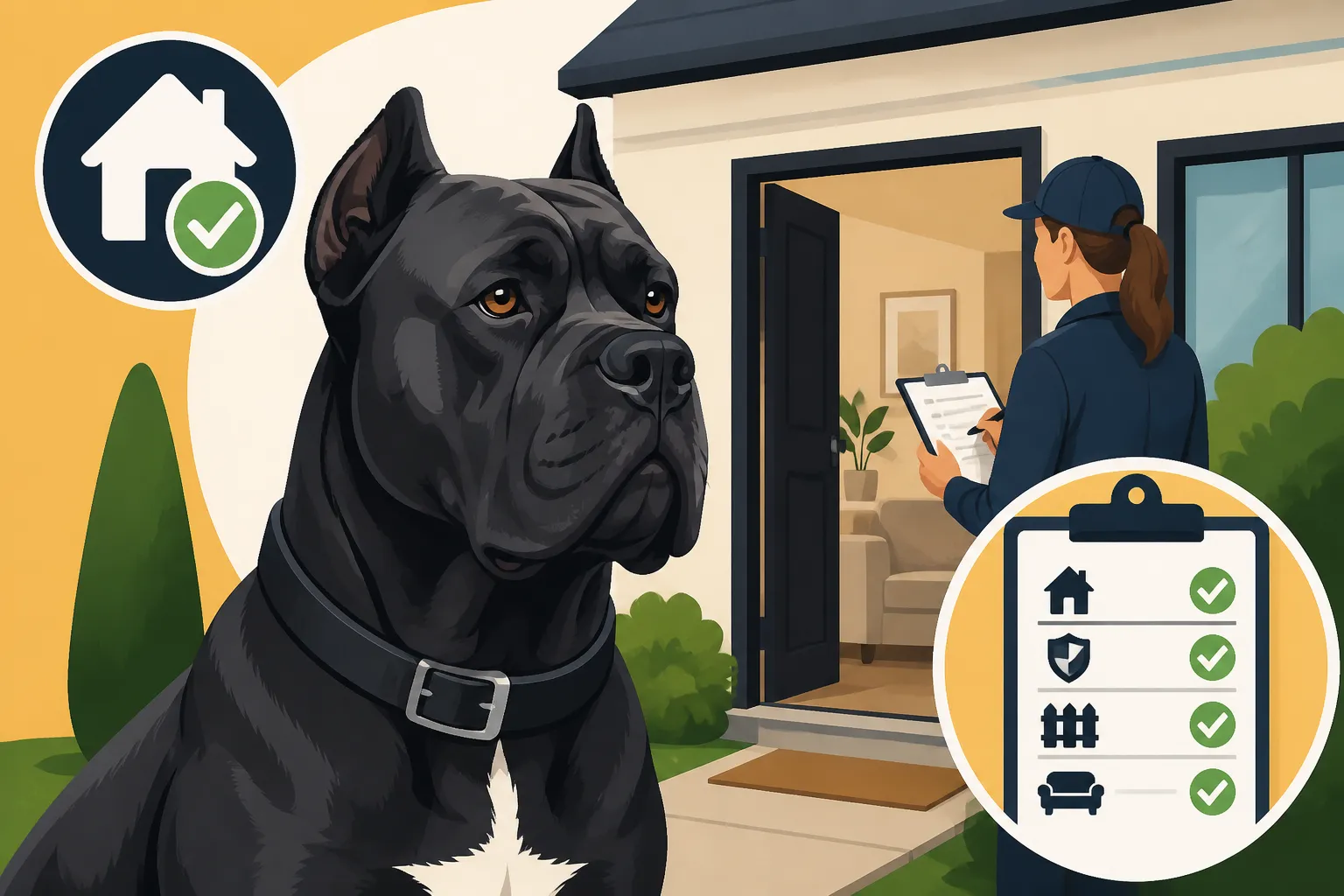
The Home Check a Cane Corso Rescue Runs
Bringing a Cane Corso into your home, especially a rescue, is a huge step, and the thought of a "home check" can feel incredibly daunting, like a pop quiz on your entire life. It’s completely normal to feel a surge of anxiety, wondering if your living situation measures up to some unspoken ideal. This guide aims to pull back the curtain on the home check process conducted by Cane Corso rescues, explaining exactly what they're looking for and how you can prepare to show you're the perfect fit for one of these magnificent dogs.
Understanding the 'Why' Behind a Rescue Home Check
It's easy to feel like a home check is an intrusive examination of your private life, a judgment on your cleanliness or personal choices. But let's shift that perspective. For a Cane Corso rescue, a home check isn't about finding fault; it's about setting up their dogs for success, ensuring a safe, stable, and loving environment that prevents them from ending up back in the rescue system. These dogs often come from difficult backgrounds, and the rescue's primary goal is to make sure their next home is truly their forever home.
Think of it this way: the rescue has invested immense time, resources, and emotional energy into these dogs. They've nursed them back to health, worked on their training, and gotten to know their individual personalities. They are fiercely protective of their charges, and a home check is one of the most critical tools they have to ensure a potential adopter can meet the unique needs of a powerful breed like the Cane Corso. It’s a due diligence process, a vital step to confirm that the detailed information you provided in your application truly aligns with your physical living space and lifestyle.
Moreover, a Cane Corso isn't just any dog. They are large, strong, and possess a natural guarding instinct. Placing them in the wrong environment can have serious consequences for both the dog and the community. Rescues are acutely aware of the breed's needs for secure containment, consistent handling, and appropriate space, which is why their home checks are often more rigorous than those for smaller, less demanding breeds. It’s a safeguard for everyone involved.
The Anatomy of a Cane Corso Home Visit: What to Expect
The home check typically comes after your initial application has been reviewed and you've had at least one preliminary phone or video interview. This is when the rescue feels you might be a good match on paper and wants to see things firsthand. They'll usually contact you to schedule a convenient time, and it's almost always done by a volunteer who understands the breed and the rescue's specific requirements. This isn't usually a surprise visit, so you’ll have time to prepare.
During the visit, the volunteer will walk through your home and yard, often engaging in conversation about your lifestyle, your past experience with dogs, and how you envision integrating a Cane Corso into your daily routine. They might ask about your work schedule, who will be responsible for feeding and walking, and what your plan is for training. This is your opportunity to demonstrate your understanding of the breed and your commitment to meeting its needs. They'll observe the general layout, looking at things like potential hazards, the availability of quiet spaces for the dog, and how your current pets interact with visitors.
It’s less of an inspection and more of an open dialogue. The volunteer isn't there to judge your decor or the dust bunnies under your couch. They are trained to assess the practical aspects of living with a large, intelligent, and sometimes challenging breed. They want to ensure that your home is not only safe for the Cane Corso but also suitable for you to manage such a powerful animal. Be prepared to talk about your plans for exercise, veterinary care, and how you'll handle any behavioral issues that might arise.
What Rescuers Look For: Safety and Suitability for a Corso
When a rescue volunteer steps into your home, their mind is primarily on safety and suitability. For a Cane Corso, this means evaluating several key areas. First and foremost, they're looking for general safety hazards. Are there exposed electrical cords? Loose medications within reach? Small, ingestible items scattered around? These are common concerns for any dog, but with a large, strong breed that can reach counters and chew through almost anything, these become amplified. They’ll also assess the overall cleanliness and whether there's enough space for a large dog to comfortably move, lie down, and have its own designated area, like a crate or a bed. You can find durable options for a "Beds Built to Take a Cane Corso's Weight" that demonstrate your preparedness.
Beyond general safety, they’re evaluating your environment for its long-term suitability for a Cane Corso. This includes considering your daily routine and how it aligns with the needs of a dog that requires significant exercise and mental stimulation. An under-exercised Cane Corso can become destructive or anxious, so the rescue will want to hear your plans for daily walks, playtime, and enrichment. They might ask about your work hours and how many hours a Cane Corso can be left alone. If you have a busy schedule, they might want to know if you plan to hire a dog walker or utilize doggy daycare, assuming you find a facility that takes larger guardian breeds.
They also want to understand your general philosophy on dog ownership. Are you prepared for the financial commitment, including regular vet visits, quality food (like options from Ollie or Chewy, especially for specialized diets), and potential emergency care? Are you open to professional training, which is often crucial for a breed like the Cane Corso? They're looking for responsible, committed owners who are ready to put in the work, not just fall in love with the imposing look of the breed.
Secure Fencing and Outdoor Space
For a Cane Corso, outdoor containment is almost always a make-or-break aspect of the home check. These dogs are powerful, intelligent, and can be quite agile when motivated. A rescue will insist on a securely fenced yard, and they'll pay close attention to its height, construction, and any potential escape routes. A chain-link fence might be acceptable if it's tall enough and well-maintained, but they'll probably prefer a solid wooden or privacy fence that prevents the dog from seeing potential triggers outside the yard, which can reduce barking and territorial behavior.
The height of the fence is critical; generally, a minimum of a six-foot fence is preferred for a Cane Corso. They'll check for gaps under gates, loose panels, or anything a persistent dog could dig under or push through. If you have a pool, they'll want to ensure it's securely fenced off from the dog's access to prevent accidental drownings. They're looking for a safe space where the Cane Corso can exercise, potty, and enjoy fresh air without the risk of escape, which could lead to dangerous situations for the dog and others. If your fencing isn't up to par, this is often a point of immediate concern that needs to be addressed before placement.
Beyond the fence itself, the size of your outdoor space matters. While a massive yard isn't strictly necessary if you commit to daily walks and other forms of exercise, the rescue will want to ensure there's adequate room for the dog to stretch its legs, play, and relieve itself comfortably. A small, concrete patio behind an apartment building might not be considered suitable unless you can demonstrate a robust plan for ample outdoor activity, which often involves dedicated trips to dog parks (if appropriate for the individual dog) or long walks in safe areas. The volunteer will discuss your exercise routine and evaluate if it genuinely meets the demands of an active, large breed.
Living Arrangements and Family Dynamics
Another critical area the home check delves into is your living arrangements and the dynamics of your household. The rescue needs to know who lives in the home, their ages, and their level of experience with large dogs. If there are children, the rescue will want to discuss how you plan to "Raising a Cane Corso Around Small Children" safely and responsibly. They'll assess if children are taught to respect animals, and if parents are committed to supervising all interactions. Similarly, if you have other pets, the volunteer will want to know about their personalities, their history with other dogs (especially large, dominant breeds), and how you'll manage introductions and ongoing cohabitation.
The rescue will also consider the general atmosphere of your home. Is it a calm environment, or is it chaotic with constant coming and going? While a Cane Corso can adapt to various situations, a stable, predictable routine often benefits them, especially those from rescue backgrounds. They'll want to ensure that all family members are on board with adopting a Cane Corso and understand the commitment involved, including training, feeding, and integrating the dog into family life. They might ask where the dog will sleep, where it will eat, and how it will be integrated into family activities.
Finally, they'll be listening for realistic expectations. Do you understand the breed's needs for consistent training and socialization? Are you prepared for the potential challenges, such as a strong prey drive, territorial barking, or stubbornness? The volunteer isn't looking for perfection, but rather a clear demonstration of thoughtful preparation and a genuine commitment to providing a lifelong, appropriate home. They'll also gauge if you've done your research on the breed's temperament, health needs, and what it truly means to own a Cane Corso.
Preparing Your Home and Family for the Check
Preparing for a home check isn't just about tidying up; it's about showcasing your readiness for a Cane Corso. Start by thinking like a rescuer. Walk through your home and yard with a critical eye, identifying any potential hazards. Secure loose cords, put away toxic cleaning supplies, and ensure small items that could be swallowed are out of reach. If you have valuable items, consider storing them temporarily to prevent accidental damage by a large, boisterous dog. Think about where your Cane Corso's crate or bed will go, ensuring it's in a quiet, accessible spot. Products from Chewy can help you get organized with appropriate "Crates, Collars and Leads Sized for a Cane Corso" and durable bowls.
For your outdoor space, verify your fencing. Walk the perimeter, checking for loose posts, gaps, or anything that could be an escape route. Reinforce gates, ensure latches are secure, and consider adding a sweep or digging prevention along the bottom if needed. If you have a garden, make sure any toxic plants are inaccessible. It's also a good idea to tidy up the yard, removing any sharp objects or debris. The volunteer isn't expecting a show home, but a clean, safe, and well-maintained environment speaks volumes about your ability to care for a large dog.
Equally important is preparing your family. Have a discussion with everyone living in the household about the Cane Corso's needs and your shared responsibilities. Ensure everyone understands the commitment to training, exercise, and consistent rules. If you have children, discuss how they should interact with a new dog, emphasizing respect and gentle handling. It's helpful if everyone can articulate their role in the dog's life and express genuine enthusiasm for the adoption. This unified front demonstrates that the Cane Corso will be a beloved and well-integrated member of the family.
Pet-Proofing Your Living Space
When pet-proofing for a Cane Corso, you need to think big and strong. What a smaller dog might chew through in a week, a Cane Corso can demolish in an hour. Start with the basics: electrical cords must be secured or hidden. Many people use cord covers or run them behind furniture where a curious muzzle can't reach them. Ensure all toxic household chemicals, medications, and human foods (especially chocolate, grapes, onions, etc.) are stored in high cabinets or locked pantries. Remember, a Cane Corso can easily reach countertops, so nothing should be left unattended.
Beyond obvious hazards, consider items that could be tempting chew toys but are dangerous. Remote controls, eyeglasses, shoes, and small decorative items are all fair game for a bored or anxious Cane Corso. Designate specific, durable chew toys and keep them readily available. Think about your trash cans; a Cane Corso will have no trouble knocking over an open bin, so invest in heavy, lidded cans, preferably those with foot pedals that lock. For new adopters, budgeting for these practical items is part of the "The First Year Bills on a Three Thousand Dollar Cane Corso" and helps create a safe environment.
Lastly, consider dedicated spaces. Where will the dog sleep? Where will it eat? Having a comfortable, appropriately sized crate can be a lifesaver for house training and creating a safe den for your Cane Corso. Ensure the crate is sturdy enough for a powerful dog and placed in a quiet, central location where the dog can feel part of the family but also retreat when needed. Having these preparations in place not only makes your home safer but also demonstrates to the rescue volunteer that you’ve thoroughly considered the practicalities of owning such a dog.
Honesty and Open Communication
One of the most valuable assets during a home check is your willingness to be honest and engage in open communication. Don't try to hide aspects of your home or lifestyle that you fear might be seen as negatives. Rescuers appreciate transparency far more than a facade. If you have a specific concern, for example, if your yard isn't perfectly fenced but you have a concrete plan to upgrade it before the dog arrives, articulate that plan clearly. If you lack experience with large breeds, be honest and emphasize your commitment to learning and seeking professional training.
The volunteer is not there to trick you; they're there to help determine if the match is right. Use the opportunity to ask any lingering questions you have about the dog you're interested in, or about Cane Corso ownership in general. This demonstrates your proactive approach and genuine interest. For instance, you might ask about "The Training Bill a Cane Corso Owner Cannot Skip" or specific training recommendations. This open dialogue builds trust and allows the rescue to offer relevant advice or suggest alternative solutions if minor issues arise during the check.
Remember, rescues are run by people who are passionate about dogs. They understand that no home is perfect, and most people are eager to do their best. Your attitude, your willingness to listen, and your demonstrated commitment to the dog's well-being often carry as much weight as the physical attributes of your home. It's about finding the best possible fit, and honesty helps them do that.
Navigating Potential Concerns and Making a Good Impression
It's common for potential adopters to worry about falling short during a home check. You might wonder if your house is too small, your job too demanding, or your yard not perfectly manicured. However, it's rare for a single "flaw" to disqualify an applicant. Rescues are looking at the whole picture. If the volunteer points out a concern, like a gap in your fence or an area that could be better secured, view it as constructive feedback rather than a failure. This is an opportunity to show your commitment by swiftly addressing the issue. You could even take photos of repairs and send them to the rescue, demonstrating your proactive approach.
One of the best ways to make a good impression is to show you've done your homework. Talk about your research into the Cane Corso breed, their temperament, and their specific needs. Explain how you plan to manage their strong guarding instincts or provide adequate exercise. Discuss your plans for "The Socialization Window a Cane Corso Puppy Gets" even if adopting an adult, demonstrating you understand the importance of ongoing positive exposure. Being knowledgeable and realistic about the challenges, as well as the joys, of owning a Cane Corso speaks volumes.
Being present and engaged during the visit also makes a significant impact. Be attentive, ask thoughtful questions, and express your enthusiasm. If other family members or pets are present, ensure they are calm and well-behaved, reflecting a harmonious household. Ultimately, rescuers want to see responsible, dedicated individuals who are prepared for the immense responsibility of a Cane Corso. Your willingness to adapt, learn, and prioritize the dog's welfare will be your strongest advocate.
Common Reasons for Failing a Home Check
While rescues generally want to work with you, there are some common issues that can lead to a failed home check. The most frequent culprit for a Cane Corso is inadequate fencing. If your yard isn't securely enclosed with an appropriate height (usually 5-6 feet minimum for a Cane Corso) and there are obvious escape routes, it's a major red flag. Lack of proper containment puts the dog, and potentially others, at risk. Another common issue is unsafe living conditions, such as severe neglect, hoarding, or a general environment that poses immediate threats to a dog's health or safety. These are rare but can occur.
Unrealistic expectations or a lack of understanding of the breed's needs can also be a significant factor. If an applicant expresses that they plan to keep a Cane Corso as an outdoor-only dog in extreme weather, or believes the dog will be fine with minimal exercise or training, the rescue will likely decline the application. Similarly, if there are existing pets that show clear signs of aggression towards visitors or resident animals, and no clear plan for safe integration, this can also be a deal-breaker. Rescues prioritize the well-being of all animals in the household.
Finally, inconsistencies between the application and the home visit, or a general impression of instability or indifference, can lead to a negative outcome. For example, if the application states you work from home, but the home checker observes a highly stressful, chaotic environment that would not suit a dog, or finds out you're rarely home, this discrepancy can raise concerns. It's important to present a clear, consistent, and genuinely prepared image of your household and your commitment to responsible dog ownership.
| Aspect of Home Check | What Rescuers Look For | Potential Red Flag | How to Address/Prepare |
|---|---|---|---|
| Fencing/Yard Security | 5-6 ft high, secure, no gaps, privacy (preferred) | Low fence, damaged fence, gaps, no fence at all | Repair/raise fence, add gate security, show commitment to upgrade |
| Indoor Safety | No toxic substances, secured cords, large designated space | Clutter, small ingestible items, exposed wires, chemicals in reach | Pet-proof, clear pathways, designate crate/bed area |
| Living Space | Adequate room for a large dog, clean, comfortable | Cramped, unsanitary, no specific dog area | Tidy up, create a dog-friendly zone, ensure enough room for movement |
| Household Dynamics | All members on board, understanding of breed, plans for children/pets | Reluctance from family, children untrained with dogs, aggressive resident pets | Family discussion, educate children, introduce pets slowly, professional help |
| Owner Knowledge | Realistic expectations, understanding of Corso needs, training commitment | Unrealistic expectations (e.g., leaving alone all day), no training plan | Research breed, articulate exercise/training plans, show willingness to learn |
| Financial Preparedness | Awareness of vet costs, food, insurance | Unaware of costs, no budget for dog care, no plan for emergencies | Research costs (e.g., "The Adoption Fee a Cane Corso Rescue Charges"), consider pet insurance like Healthy Paws |
The Post-Check Process and What Comes Next
Once the home check is complete, the volunteer will typically submit their report to the rescue organization. This report will detail their observations, assessment of your home's suitability, and any recommendations or concerns. The rescue's adoption coordinator or board will then review the report, often alongside your application, references, and interview notes. This internal process can take a few days to a week, depending on the rescue's volunteer capacity and the complexity of your application.
If the home check was successful and no major concerns were noted, the rescue will usually proceed with the next steps, which often involve arranging a meet-and-greet with the specific Cane Corso you're interested in, or offering you a choice of suitable dogs if you're open. This is the exciting part where you finally get to interact with a potential new family member! If there were minor concerns, the rescue might reach out to you to discuss them and give you an opportunity to address them before making a final decision. For example, if a fence needed a small repair, they might ask for photo proof of the fix.
In some cases, a home check might reveal significant issues that cannot be easily remedied, leading to a declined application. While disappointing, try to remember that this decision is made with the dog's best interest at heart. The rescue might offer feedback on why the application was declined, which can be invaluable if you decide to address those issues and reapply in the future or pursue a different breed that might be a better fit for your current circumstances. Regardless of the outcome, the process is designed to ensure the best possible match for both you and the deserving Cane Corso.
Finalizing Your Adoption: Paperwork and Preparation
Assuming your home check goes wonderfully and you've found your perfect Cane Corso match, the next phase involves finalizing the adoption. This typically includes signing an adoption contract, which is a legally binding agreement outlining your responsibilities as the new owner. These contracts often cover things like providing adequate veterinary care, spaying/neutering (if not already done, though most rescue "Whether a Rescue Cane Corso Comes Neutered"), not rehoming the dog without the rescue's approval, and returning the dog to the rescue if you can no longer care for it. Read this document carefully and ask any questions you might have before signing.
You'll also need to pay the adoption fee at this stage. These fees vary but are essential for helping the rescue cover the costs of vetting, feeding, and caring for their dogs. After the paperwork and payment are complete, you'll arrange a pickup date for your new Cane Corso. This is where your careful preparation pays off! Ensure you have all the necessary supplies: a sturdy leash and collar, food (the rescue will usually tell you what they've been feeding, often a consistent brand from places like Chewy), food and water bowls, an appropriately sized crate, and some durable toys.
Bringing a new dog home, especially a large rescue, is a significant transition for everyone. Have a plan for the first few days and weeks, including a quiet space for the dog to decompress, a consistent routine, and immediate enrollment in basic obedience classes if possible. The rescue often provides valuable advice for this transition period, drawing on their knowledge of the individual dog's personality and needs. Your due diligence and the successful home check are the foundation for a long, happy life together with your Cane Corso.
Integrating Your New Cane Corso into the Family
Once your new Cane Corso is home, the real work and joy begin. The integration phase is crucial, especially for rescue dogs who may have experienced instability. Provide a calm, consistent environment. Establish a routine for feeding, walks, and potty breaks immediately. These predictable schedules help a dog settle in. Give them their own space, whether it's their crate or a dedicated bed in a quiet corner, where they can retreat and feel secure.
If you have other pets, introductions should be slow, controlled, and positive. This might involve parallel walks or supervised interactions in neutral territory before allowing them to share indoor spaces. For children, reinforce the rules of polite interaction and ensure all interactions are supervised, especially in the initial weeks. A Cane Corso, even a well-socialized one, needs time to adjust, and patience is key. Consistent, positive reinforcement training from day one will help build a strong bond and establish clear expectations. Consider enrolling in local dog training classes.
Remember that integrating a rescue Cane Corso is a marathon, not a sprint. There will be good days and challenging days. Stay in touch with the rescue if you encounter unexpected behaviors or need advice; they are a valuable resource. Your commitment, patience, and continued effort in providing a structured, loving home will allow your Cane Corso to blossom and become the loyal, protective companion they are meant to be.
Disclaimer
This article is for general informational purposes only and does not constitute professional advice. Laws, prices and regulations vary by location and change over time. Consult a qualified professional for guidance on your specific situation.